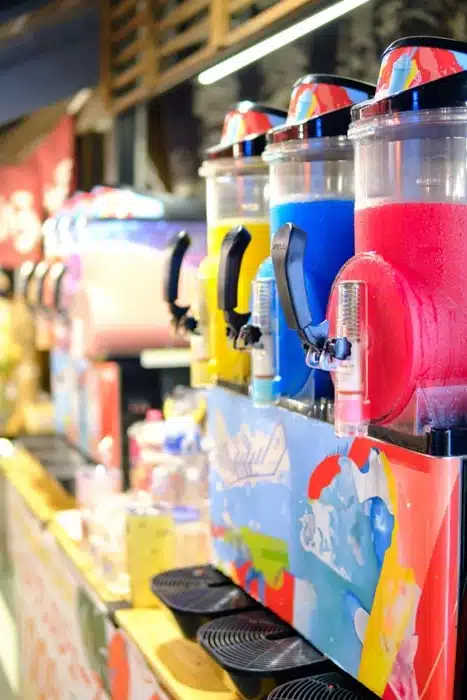
Choosing the right commercial slush machine is one of those decisions that seems straightforward until you are standing in front of a dozen different models with no clear way to compare them.
The features that separate a reliable machine from a frustrating one are not always obvious from a product listing alone.
Understanding the key slush machine features before you buy saves you from costly mistakes and keeps your service running smoothly from day one. What looks like a minor spec difference on paper can mean the difference between a machine that lasts five years and one that underperforms in its first season.
This guide breaks down the seven most important things to evaluate, from cooling efficiency and tank capacity to build quality and after-sales support. Each one plays a direct role in how well your machine performs under real-world conditions.
Whether you run a café, a food truck, or a high-traffic convenience store, the right information makes the decision far easier. Read on to find out exactly what to look for.
Top 7 Features to Look for When Buying a Commercial Slush Machine
Source: Freepik.
1. Cooling System Efficiency and Freezing Speed
The cooling system is the heart of any slush machine. A weak or inefficient cooling mechanism means longer wait times between batches, inconsistent product texture, and higher wear on internal components over time.
Why the Compressor Type Matters
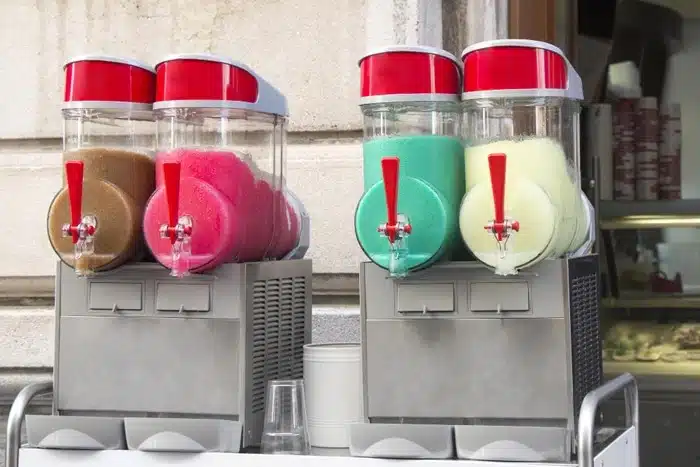
Slush machines generally use either air-cooled or water-cooled compressors. Air-cooled units are more common and easier to install, but they can struggle in hot environments.
Water-cooled compressors handle high-temperature settings better and tend to maintain more stable performance throughout a long service day.
Before you buy, check what type of compressor the unit uses and whether it matches your venue's conditions.
Freezing Speed and First-Batch Readiness
Source: Freepik.
Freezing speed tells you how quickly the machine gets your product to the right consistency from a liquid start.
For busy service environments, a machine that takes over 30 minutes to produce the first batch can slow down your entire operation. Look for models that specify their freeze-down time clearly.
Many quality slush machines achieve serving consistency in 20 to 25 minutes, keeping your service line moving without interruption.
2. Tank Capacity and Number of Bowls
Tank size and bowl configuration determine how much product you can serve at once and how many flavors you can offer simultaneously. For high-traffic locations, these details are not minor considerations.
Matching Tank Capacity to Your Sales Volume
Source: Unsplash.
Tank capacities in slush machines typically range from 10 liters to over 30 liters per bowl. A low-volume setting like a small café might do well with a single 10- to 12-liter tank.
A busy convenience store or stadium concession needs at least 20 liters per bowl to avoid constant refills. Match the capacity to your expected peak-hour demand, not just your average daily sales, so you never run short at the worst moment.
Single-Bowl vs. Multi-Bowl Configurations
Multi-bowl machines let you serve two or three flavors at the same time, which increases sales potential and gives customers more choice.
Single-bowl units are more compact and lower in cost, but they limit your menu. If your space allows, a two- or three-bowl machine almost always delivers better return on investment for a commercial setting.
Consider your counter space and customer preferences together before you decide.
3. Build Quality and Food-Grade Materials
Source: Freepik.
A commercial slush machine operates in a demanding environment. It needs to handle constant use, frequent cleaning, and the occasional knock or spill without degrading in performance or safety.
Stainless Steel and Food-Safe Plastics
High-contact components like spigots, bowls, and interior surfaces should be made from food-grade stainless steel or BPA-free, food-safe plastics.
These materials resist corrosion, do not absorb odors, and hold up well against repeated sanitization. Machines built with substandard plastics can crack over time or leach harmful substances into your product, which is a serious health and liability concern.
Frame Durability for Long-Term Commercial Use
Source: Freepik.
The outer frame and housing should be solid enough to survive a commercial kitchen or counter environment.
Thin, lightweight casings might look sleek, but they tend to dent, crack, or warp under daily use. Stainless steel exteriors or heavy-duty ABS housing are generally better indicators of long-term durability.
A well-built frame also protects the internal components from heat, moisture, and vibration.
4. Ease of Cleaning and Maintenance
Regular cleaning is non-negotiable for any food service equipment, and a slush machine is no exception.
The harder it is to clean, the more likely staff will skip steps, which creates hygiene risks and affects flavor quality.
Removable Parts and Tool-Free Disassembly
Source: Freepik.
The best commercial slush machines allow you to remove the bowl, spigot, auger, and other contact parts without tools.
Tool-free disassembly saves time and reduces the chance of parts being left uncleaned because the process felt too complicated.
Check the product manual or a video demo before you buy to see exactly how many steps the cleaning process involves.
Cleaning Cycle Features and Rinse Modes
Some machines include a built-in rinse or cleaning mode that circulates water through the system automatically.
This feature is especially useful at the end of a service day, as it reduces manual effort and helps staff follow a consistent cleaning routine.
Not every model includes this, but it is worth looking for if your operation runs long hours or has a high staff turnover rate.
5. Temperature and Consistency Controls
Producing a great slush drink depends on maintaining precise temperature and texture. Machines that lack proper controls leave you guessing, which leads to a product that is either too runny or too frozen.
Adjustable Temperature Settings
Source: Freepik.
Look for machines with clearly adjustable temperature controls, ideally with digital displays rather than analog dials.
Digital controls give you more precision and make it easier to replicate the same results every time. This matters especially if you serve multiple product types that require slightly different freeze levels, such as alcoholic slushies versus standard fruit-based drinks.
Auger Speed and Texture Consistency
The auger is the rotating component that keeps the slush moving and prevents it from freezing solid. Models with adjustable auger speed allow you to dial in the exact texture your customers prefer.
A machine that only operates at a fixed speed gives you less control over the final product. In a competitive market, that level of texture consistency can set your drinks apart.
6. Energy Efficiency and Power Consumption
Running a slush machine continuously throughout a business day adds up in electricity costs. A model that draws more power than necessary can quietly eat into your profit margins over time.
Understanding Wattage and Operating Costs
Check the wattage rating for any machine you consider. Models range from around 200 watts for smaller single-bowl units to over 900 watts for large multi-bowl machines.
Calculate the estimated daily running cost based on your local electricity rate and the number of hours the machine operates each day.
This simple calculation often reveals significant cost differences between models that look similar on the surface.
Energy-Saving Modes and Smart Features
Source: Freepik.
Some modern commercial slush machines include energy-saving modes that reduce power draw during slower periods without fully shutting down the cooling system.
These features help lower your utility bills without sacrificing product readiness. Look for machines that advertise low-energy standby operation, and verify the claim with actual wattage data rather than marketing language alone.
7. Brand Reputation, Warranty, and After-Sales Support
Even the best-specified machine can disappoint if the supplier behind it offers poor support. Before you buy, take time to research the track record of the company you are purchasing from.
What a Strong Warranty Tells You
A solid warranty period, typically one to three years for commercial equipment, signals that the manufacturer stands behind the product.
Pay attention to what the warranty actually covers. Some policies cover only parts, not labor. Others exclude specific components like compressors.
Read the warranty terms carefully so you know exactly what protection you have if something goes wrong.
After-Sales Service and Technical Support
Accessible technical support can save you significant time and money when a machine develops a fault.
Look for suppliers that offer responsive customer service, clear troubleshooting documentation, and local or regional repair networks.
A machine that sits out of service for two weeks waiting for a technician costs you far more than the repair bill alone.
Conclusion
Source: Unsplash.
Buying a commercial slush machine is a meaningful investment, and the right choice depends on far more than price alone.
From cooling performance and tank capacity to build quality, cleaning convenience, and supplier support, each feature plays a direct role in your day-to-day operation.
Take the time to evaluate every factor on this list before you decide, and you will be far better positioned to choose a machine that serves your business well for years to come.
Disclaimer:
This post may contain affiliate links. I receive a small commission at no cost to you when you make a purchase using my link.