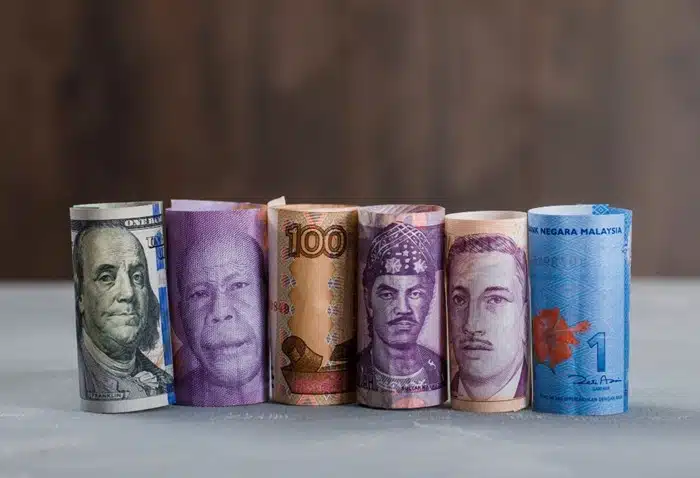
Managing money across borders is one of the biggest challenges any traveler or expat faces. A single swipe of your card in a foreign country can quietly cost you more than you expect.
Good financial management abroad starts long before you board your plane. From picking the right bank to understanding tax rules, the steps you take early can save you a great deal later.
This guide covers the key areas that matter most when your money lives in more than one country. You will learn how to handle credit, taxes, investments, and even your estate across borders.
Every tip here is built to help you keep more of what you earn and spend less on fees and fines. The goal is simple — a safer, smarter money life no matter where in the world you call home.
The first part of managing money abroad is setting up a solid system. Many people find that their home bank accounts do not work well in other lands.
High fees and bad exchange rates can hurt your wallet every single day. Creating a new setup helps you avoid these common and expensive traps. This step is vital for Expatriates Living Abroad who need to balance two lives.
You must keep your home duties in check while paying for local needs. A good system makes moving money between countries fast and very cheap.
Source: Magnific.
Choosing the Right Banking Partners
Picking a bank that likes international travel can save you a lot of cash. You should look for banks that do not charge for using foreign ATMs. These tools help a lot if you are becoming a flight attendant or working on the go.
Below are some features to look for in a global bank account.
Seek accounts that give you the real exchange rate with no extra fees.
Choose banks that let you hold different currencies in one app.
Make sure the bank app works without a home phone signal.
Check the rules for sending large amounts of money across the border.
Source: Magnific.
Managing Credit and Debt Globally
Your credit score does not move with you when you cross a border. Keeping a home credit card active helps keep your score high for later.
You may also need a local card to build a name in your new home. This two part plan keeps your money reputation safe in both countries.
You should pay every bill on time to avoid any bad marks on your file. Using a local card also helps you avoid constant currency conversion fees.
For UK residents managing debt alongside an international lifestyle, understanding the available formal and informal debt solutions — such as an Individual Voluntary Arrangement (IVA) or a Debt Management Plan (DMP) — can be an important step in keeping finances stable across borders.
Navigating the Rules of Tax Residency
Source: Magnific.
One big challenge of living in a new land is the tax rule. Most countries have a set number of days you can stay before you owe tax.
If you stay too long, the local government might want a share of your pay. You must track your days to avoid paying tax to two different nations.
People from the United States must follow Internal Revenue Service rules even when they live far away. Your duty to file forms follows you to every corner of the earth.
The Impact of Physical Presence Tests
Governments use math to see if you owe tax based on your stay. They count the days you spend in a house or at a job.
In the United States and Canada, these rules are very clear and strict. You must keep a log of your travel dates to prove your status. The list below shows how to stay ready for any tax questions.
Write down the exact date you enter and leave every single country.
Keep your plane tickets and hotel bills to show where you were.
Read the tax treaty between your home and your new host country.
Watch where your money comes from to see if it is local pay.
Social Security and Pensions
Your retirement pay can change based on where you work and live. Many nations have deals so your work in one place counts for your pension.
You should check how social security credits work for people who move around. This stops you from losing money you worked hard to earn years ago.
Some people forget to file the right papers and lose their benefits forever. You should talk to a pro if you plan to work in a new country.
Source: Magnific.
Investment and Estate Planning Across Borders
Holding stocks and bonds while living abroad takes a special kind of plan. You have to think about how different governments tax your gains and your dividends.
Some common funds can face high tax rates if you move to a new land. Keeping your wealth safe means making sure your assets follow every local law.
You should review your accounts every year to see if the rules changed. This keeps your growth steady and your tax bill as small as possible.
Source: Magnific.
Coordinating Asset Allocation
A good portfolio for a global life should use different types of money. If you spend in Canada but save in US dollars, you take a risk.
Spreading your money across different markets can help protect you from a bad economy. This helps keep your buying power strong no matter where you move your home.
Use the following ideas to help balance your investments for a life abroad.
Check the tax cost of your stocks based on where you live now.
Think about how the value of your cash changes against other coins.
Use simple index funds to spread your risk across many different firms.
Make a new plan every year to match your current living spot.
Protecting Your Legacy with International Wills
Source: Magnific.
Planning for the future is harder when your family lives in another country. A will from one land might not work in the courts of another.
You might need to write a new will for each country where you own stuff. This makes sure your family gets what you want them to have later.
It also saves them from long and very costly legal battles in court. Having clear papers in every spot you own land or cash is very smart.
Maintaining Security and Personal Wellness
Source: Magnific.
Money management is also about keeping your mind and body feeling good. Moving can put a lot of stress on your long distance relationship or your family life.
Safe money systems let you handle these tasks without a fear of fraud. You need to use top security steps when you use banks in new places.
This keeps your cash safe so you can focus on your new life. Good habits now will stop big problems from happening while you are away.
Practical Security Measures for Travelers
Source: Magnific.
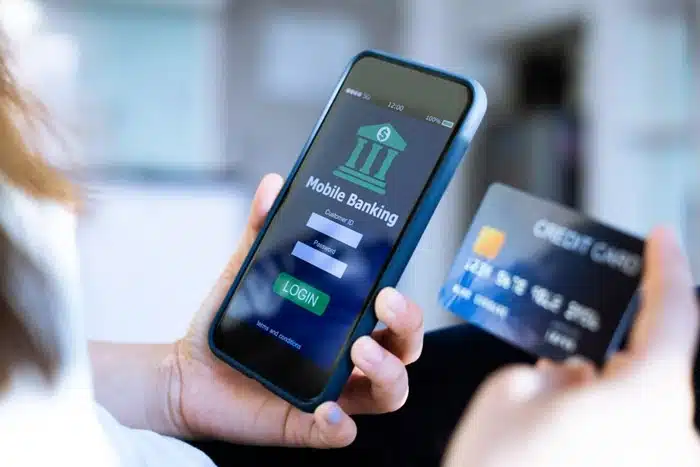
Cyber safety should be a top goal for anyone using a bank abroad. Use a special phone for your bank and stay off of public wifi. This keeps your private info away from hackers and other bad people.
You should have a plan if your main card gets lost or stolen. Following the steps below will help keep your digital life safe while you travel.
Use two factor signs for every bank and email account you own.
Tell your bank about your trip so they do not block your card.
Keep a backup key or code to get into your money in a pinch.
Turn on alerts so you see every time your card is used.
Balancing Life and Finances
Source: Magnific.
The real goal of money planning is to give you more free time. When your money is set, you have more room to enjoy your new town.
Learning the rules of the global money system is a great move for you. It gives you peace of mind so you can try new things. These steps build a safe world for you to live in for many years. You can move across the globe with no fear when your wealth is safe.
Conclusion
Living and traveling across borders opens up a world of great experiences. But without the right plan, the costs can quietly pile up and steal your peace of mind.
Smart financial management overseas means setting up the right bank, tracking your tax days, and keeping your investments in check. These are not one time tasks but habits you build over time.
Your credit, your pension, and even your will all need special care when your life spans more than one country. Taking the time to sort these out early keeps your wealth safe and your stress low.
Cyber safety and good security habits are just as important as picking the right account. When your money is protected, you are free to enjoy every new place you call home.
Ready to take control of your money before your next big move? Save this guide and share it with anyone planning a life beyond their home borders.
Disclaimer:
This post may contain affiliate links. I receive a small commission at no cost to you when you make a purchase using my link.