Shenzhen moves fast. That's not a cliché, it's genuinely one of the most kinetic cities in Asia, a place that went from a fishing village to a global tech powerhouse in the span of a single generation.
For anyone navigating business travel in Shenzhen for the first time, the pace can catch you off guard. Meetings happen quickly, deals move quickly, and getting your accommodation right isn't just a comfort issue, it's a strategic one.
This guide walks through exactly what to look for in a corporate-friendly hotel, from location and internet quality to the small comfort details that quietly affect how well you perform the next day. Skip the wrong details, and you'll feel it by day two.
A good starting point is browsing the full range of hotels in shenzhen to compare locations, facilities, and price points before committing. Because in a city this spread out, where you stay shapes almost everything else about your trip.
Business Trip to Shenzhen: How to Pick the Right Hotel
Source: Depositphotos.
Why Shenzhen Demands a Different Approach to Hotel Selection
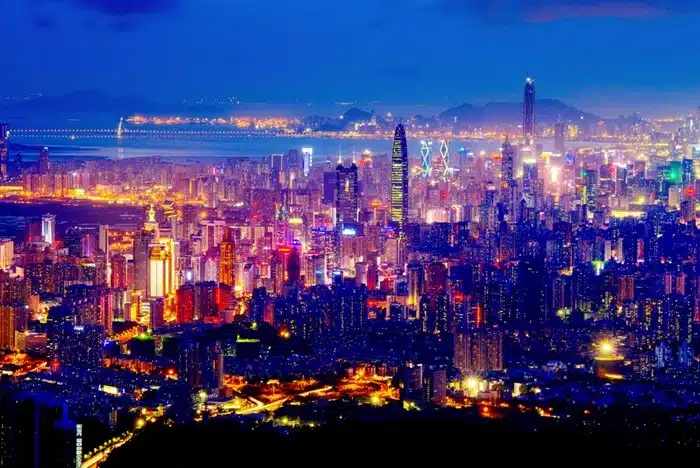
Most cities have one central business district. Shenzhen has several.
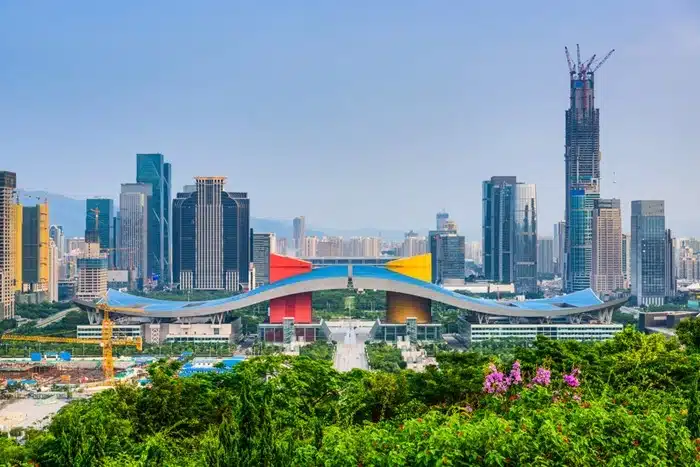
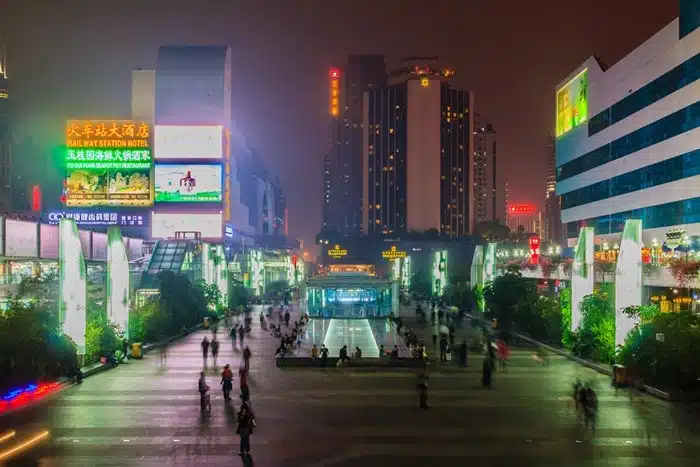
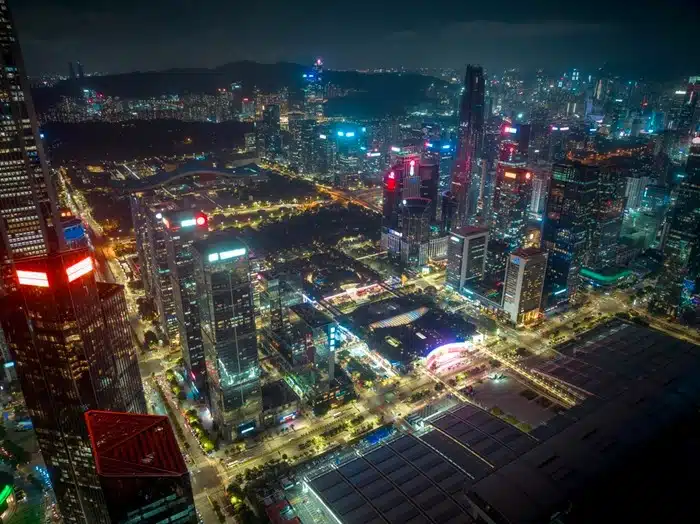
Futian, Luohu, Nanshan, and Qianhai all function as distinct commercial zones, each with its own character and industry focus.
Futian is the administrative and financial heart, home to major banks and government offices. Nanshan, particularly the area around Hi-Tech Park, is where you'll find tech companies, startups, and the headquarters of global names like Tencent and DJI. Luohu, sitting right at the Hong Kong border crossing, is dense, commercial, and deeply connected to cross-border trade.
Picking a hotel without factoring in where your meetings are is one of the most common and costly mistakes business travelers make here.
Shenzhen's metro is excellent, but crossing from one district to another during peak hours can still eat 45 minutes out of your day, each way. That adds up fast over a four-day trip.
The Core Things to Look For in a Corporate-Friendly Hotel
Source: Depositphotos.
Location Relative to Your Business District
It sounds obvious, but it's worth spelling out.
Before booking, list out the addresses of every meeting or event you have scheduled and run a quick check on how long it takes to get there from the hotel.
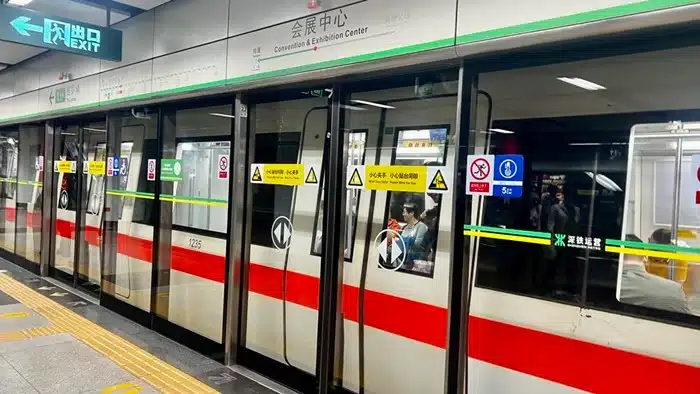
Shenzhen's subway system, the Metro, is clean, reliable, and covers most business districts well. A hotel within five to ten minutes' walk of a Metro station is genuinely worth paying a slight premium for; you'll make that back in saved taxi costs and saved stress alone.
If most of your business is in Futian, look at hotels along Lines 1, 2, 3, or 11, which pass through the district.
For Nanshan tech meetings, Line 1 connects you to Shenzhen University and Hi-Tech Park stations. Luohu-focused travelers benefit from staying close to the Luohu or Guomao stations at Line 1's eastern end.
Source: Depositphotos.
Reliable, High-Speed Internet
This should be a given, but it's worth flagging specifically for Shenzhen.
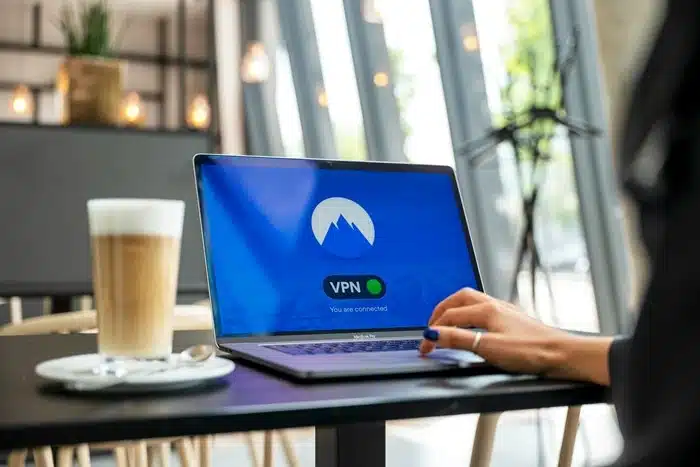
China's internet operates behind the Great Firewall, which means platforms like Google, Gmail, WhatsApp, LinkedIn, and most Western social media are blocked by default. As a foreign business traveler, you'll almost certainly need a VPN or an unrestricted esim to function.
The practical implication for hotels: you want a property with genuinely fast internet, not just “Wi-Fi available” internet.
Some business hotels in Shenzhen provide VPN access or guidance for guests; others have fast enough connections that your own VPN client runs without significant speed loss.
Check reviews specifically for internet quality before booking, and have a backup mobile data plan as well.
Meeting and Conference Facilities
Source: Unsplash.
Not every business trip requires on-site meeting space, but if yours does, it's worth looking for hotels that offer:
Private meeting rooms bookable by the hour or half-day
Video conferencing equipment (or at least a large display screen and HDMI access)
Business center facilities for printing, scanning, and document handling
Many four- and five-star properties in Shenzhen include these as standard.
Even if you don't plan to use them, their presence is usually a sign that the hotel is genuinely set up for business guests rather than leisure travelers who occasionally bring a laptop.
Comfort That Supports Productivity
There's a version of business travel where you push through exhaustion and tell yourself it's fine. It isn't, really.
Poor sleep affects your performance in meetings more than most people want to admit. When reviewing rooms, look for:
Blackout curtains (Shenzhen can be bright and early)
A proper desk setup, not just a small side table
Ergonomic or at least adjustable seating at the work area
A bathtub or strong shower pressure (small thing, big difference after a long day)
Quiet rooms, away from elevators or street-facing walls on lower floors
If the hotel offers a lounge for upper-floor or executive guests, that's often worth the upgrade. A quiet space to take calls, have informal conversations, or simply work undisturbed during the day is a genuine productivity asset.
Shenzhen's Best Districts for Business Stays: A Quick Overview
Source: Depositphotos.
Futian CBD: The most formal business environment in the city. Hotels here tend to be large, well-appointed, and used to hosting delegations and corporate events. Expect higher prices but strong facilities. This is particularly good for meetings with government bodies, financial institutions, or major Chinese corporations.
Nanshan/Qianhai: The area of choice for tech industry meetings. More modern, slightly more relaxed in tone, with a growing number of international-standard business hotels. The western waterfront at Qianhai is increasingly developed and well-connected. If your work involves hardware, software, or any kind of tech partnership, this is your zone.
Luohu: Best for cross-border travelers moving between Shenzhen and Hong Kong. The Lo Wu border crossing is one of the busiest land crossings in the world, and staying in Luohu means you're right at it. Good mid-range and business hotel options are plentiful, though the area is denser and more chaotic than Futian.
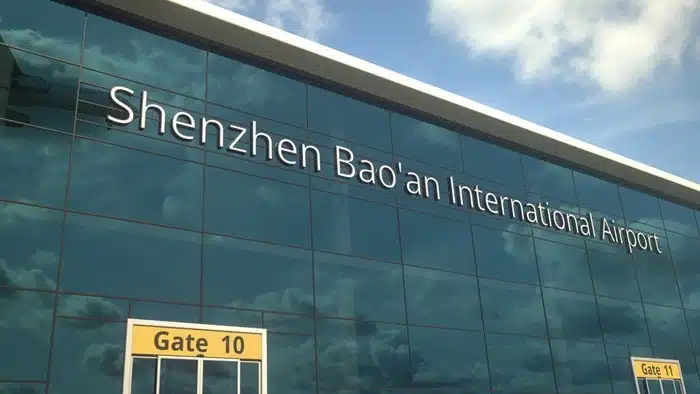
Bao'an: If you're flying in and out of Shenzhen Bao'an International Airport and your trip is short, staying near the airport can save considerable time. It's not ideal for city-center meetings, but for one-night stopovers or port visits, it's practical.
Practical Considerations That Often Get Overlooked
Source: Depositphotos.
Breakfast matters more than you'd think. A good hotel breakfast in Shenzhen means you're not scrambling for food at 7am before an 8:30 meeting. Look for properties that include breakfast or have an on-site restaurant open early.
Airport transfer options. Shenzhen Bao'an Airport is in the northwest of the city; from Futian or Luohu, that's a 40-60 minute drive depending on traffic. Some business hotels offer fixed-rate airport transfers, which saves you haggling or navigating ride-sharing apps on arrival when you're already jet-lagged.
Check-in and late checkout flexibility. If you're arriving on a red-eye or have a late evening flight home, a hotel willing to accommodate early check-in or late checkout is worth its weight. Many business-class properties offer this as standard for direct bookings or loyalty members.
Currency and payments. Most hotels in Shenzhen accept international credit cards, but having some Chinese Yuan (RMB) on hand is still wise. More relevant for day-to-day: WeChat Pay and Alipay dominate transactions in the city. Some hotels and their concierge teams can help international guests set up mobile payments if needed.
A Word on Price vs. Value for Business Travel
There's a tendency to either overspend on accommodation out of habit (“company's paying”) or underspend out of guilt (“I should be frugal”). Neither is quite right. The smarter framing is: what does this hotel make possible?
A well-located, properly equipped business hotel in Shenzhen doesn't need to be the most expensive option on the page.
Mid-range four-star properties in Futian or Nanshan often deliver everything a working business traveler actually needs, without the inflated cost of flagship properties that charge for brand recognition more than functionality.
It's worth spending time on a comparison before booking. Looking through a broader list of hotels in Shenzhen sorted by location and business facilities gives you a proper sense of the range available, rather than defaulting to whichever name you recognize first.
Final Thoughts
Source: Depositphotos.
Shenzhen rewards preparation. The city's energy is an asset if you arrive ready, and a source of friction if you don't.
Getting your hotel right is one of the few variables you can fully control before you land, and it influences your productivity, your rest, and frankly your enjoyment of being in one of the world's most interesting cities.
Choose based on where your work actually takes you, prioritize internet quality and workspace comfort, and don't underestimate the value of a good night's sleep over a flashy lobby.
Do those things, and Shenzhen will meet you more than halfway.
Disclaimer:
This post may contain affiliate links. I receive a small commission at no cost to you when you make a purchase using my link.