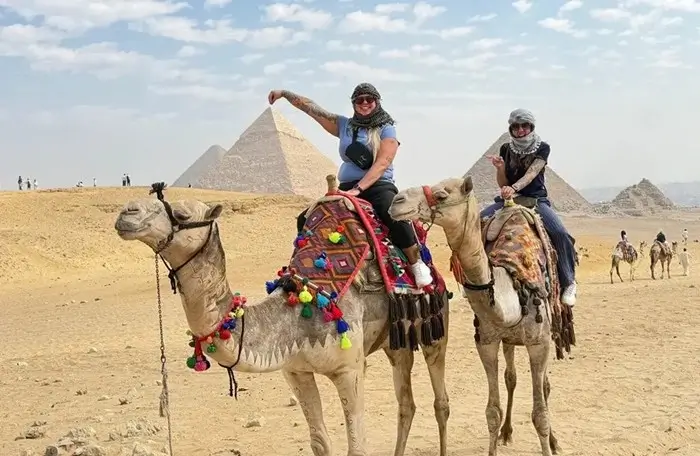
Two travelers book a luxury trip to Egypt and come home with completely different stories. One had a private guide, a driver waiting at every site and a quiet Nile-side hotel, while the other got a standard group itinerary with a nicer breakfast and a better-sounding name.
That gap exists because “luxury” has no official standard in Egypt, so the word can cover almost anything. This guide breaks down what actually changes as a tour moves up the comfort scale, from where you sleep and how you get around to how your days are paced.
You’ll also find the questions that separate real substance from clever marketing, whether you’re weighing up Misk Tours in Egypt or comparing several operators side by side. As you’ll see, some of the most valuable upgrades are the ones that never show up in the brochure photos.
If you want a concrete reference point, a few Luxury Egypt tours show how hotels, private guiding and inclusions are listed in practice.
Egypt Luxury Tours: What You Really Get for the Price
Source: Misk Tours.
Why “Luxury” Means Different Things
There is no official definition. Star ratings help a little, but they are not applied consistently, and a five-star hotel in one city may feel very different from a five-star hotel in another.
The same is true of cruise ships, where categories vary between operators. A tour called luxurious in Egypt may therefore refer to a combination of better rooms, more private services, a calmer pace and higher standards of service, in any mix.
One useful way to see through the label is to compare itineraries from different operators and look at what they actually list.
Look at which hotels and vessels are named, how much of the trip is private, how many stops are planned per day and what is included in the price.
The differences between itineraries reveal what the word is covering in each case, and they give you a checklist for judging your own plans.
Where You Stay: Location and Service Over Decoration
Source: Pexels.
Accommodation is the most visible part of a higher-comfort trip, but the features that matter are not always the obvious ones.
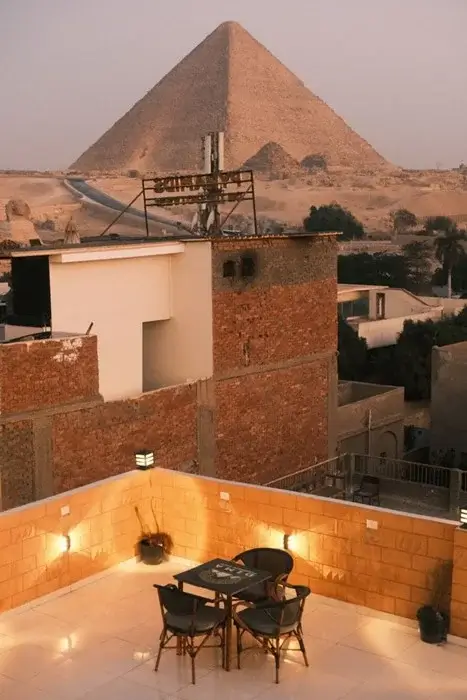
Room size, quiet and good beds count, of course. So do location and service. A hotel with a pyramid view at Giza or a terrace over the Nile in Aswan is memorable, but so is a central property that cuts a forty-minute drive from each evening.
Service is the quieter difference. Look for staff who anticipate needs, rooms that are ready when you arrive, restaurants that cook well and a front desk that can solve problems quickly.
Historic hotels, such as those with a long tradition on the Nile or in downtown Cairo, add atmosphere and character that modern properties sometimes lack, though they can also have older fittings.
Reading recent guest reviews gives a more honest picture than the property’s own photographs.
Private Guiding and Transport
For many travelers, this is where the largest improvement in comfort comes from.
A private Egyptologist and a dedicated driver mean the day moves at your pace, the travel vehicle is waiting when you finish and you can change the plan if the heat is high or a site is crowded. It also removes dozens of small decisions that tire visitors over a long trip.
When you evaluate this part of a tour, ask who the guide is and how their experience is described, whether the vehicle is air-conditioned and how many people it carries, and whether the same driver stays with you throughout.
Misk Tours publishes the details of what each private itinerary includes, which helps you see what is typically offered before you ask for a quote.
Pace and Access
Source: Unsplash.
A well-designed higher-comfort itinerary usually does less, not more. It plans fewer sights per day, starts early when sites are cooler and quieter, and builds in time for lunch and rest. That pace is often the most valuable feature of all, because tiredness is the main enemy of enjoying Egypt.
Be realistic about access. Some operators arrange visits at quieter times of day or help with ticketing and entry logistics, which saves time.
However, major monuments have their own rules, and no operator can guarantee exclusive entry to places that are open to the public.
Treat promises of unique access with care, and ask for specifics, such as which sites and what arrangement, rather than accepting vague wording.
Nile Cruising at the Higher End
Source: Pexels.
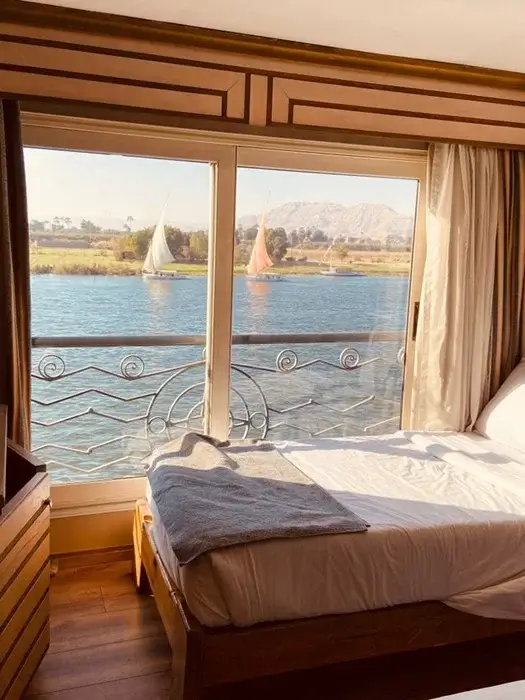
On the Nile river cruise, the range of choices is wide. Larger ships offer more facilities, such as pools, sun decks and several dining rooms. Smaller boats, including traditional dahabiyas, carry far fewer guests, move at a slower rhythm and often feel more personal, though with simpler amenities.
Useful points to check include cabin size and whether the windows or balconies open onto the river, the number of passengers per crew member, the dining arrangements, and how the schedule handles temple visits.
Ask about docking as well, since ships often moor side by side, and the position of your vessel can affect noise and views.
Guest reviews from the same time of year tell you more than a general rating, because conditions change with the season.
Food and Dining
Source: Depositphotos.
Good food is part of the experience in Egypt, and higher-end trips often include carefully chosen restaurants, from rooftop dinners to Nile-side tables and traditional dishes cooked well.
Ask whether meals are included, which meals and whether drinks are part of the price. On cruises especially, beverages are often charged separately, and this can surprise travelers at checkout.
If you have dietary needs, such as vegetarian or allergy requirements, mention them early. Reputable operators and hotels can usually adapt, but advance notice makes it easier.
The Small Services That Add Up
Source: Depositphotos.
Many of the benefits of a higher-comfort trip are invisible in the itinerary.
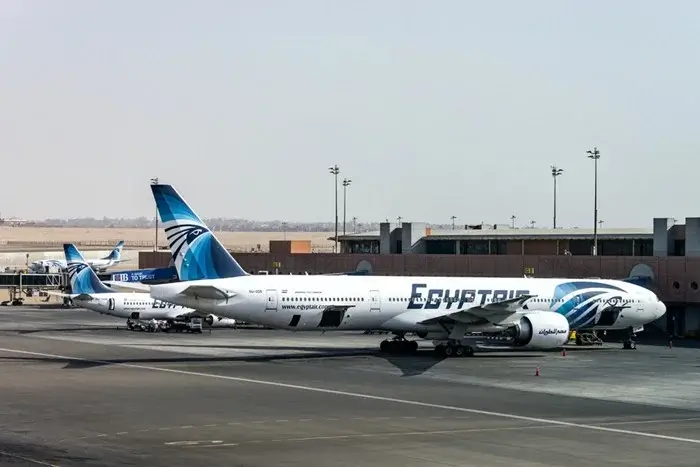
Airport meet-and-assist, which helps with immigration and baggage, can make an arrival much easier after a long flight.
A reliable contact available during the trip, luggage handled between hotels and flexibility when plans change all reduce stress. These details rarely appear in photographs, but travelers often remember them long after the trip is over.
Questions That Separate Substance From Labels
Source: Depositphotos.
Before you commit, a few questions help you compare fairly:
Which hotels and vessels are named, and can I see recent guest reviews?
How much of the trip is private, and how many people share vehicles and guides?
What is included in the price, and what is charged separately?
How many sights are planned per day, and what is the pace?
What happens if a flight, date or plan changes?
Clear, specific answers are a good sign. Vague promises, unnamed properties or pressure to book quickly are reasons to pause.
Is It Worth It?
The answer depends on what you value. If you want a calmer pace, privacy and fewer logistics, the extra cost often pays for itself in comfort.
If you are comfortable with simpler arrangements and enjoy planning, you may prefer to spend selectively, perhaps on a good guide and a well-located hotel, and save elsewhere.
Many travelers find that a few well-chosen upgrades deliver most of the benefit.
Final Thoughts
Source: Unsplash.
In Egypt, “luxury” is less a fixed category than a set of choices about where you sleep, how you move and how much you’re asked to do each day.
The Egypt trips that feel truly special are usually the ones where those choices were made carefully, not the ones with the grandest-sounding name.
Private guiding, a calmer pace and a well-located hotel tend to deliver the biggest improvements in comfort. Smaller touches, such as airport assistance, handled luggage and a reliable contact on the ground, often matter just as much once you’re there.
The simplest way to protect your budget is to ask for specifics before you book. Named hotels and vessels, clear inclusions and an honest answer about pace are good signs, while vague promises and pressure to commit quickly are reasons to pause.
Whether you’re considering Misk Tours in Egypt or comparing several operators, use the questions in this guide as your checklist. Decide which upgrades matter most to you, and you can spend where it counts and save everywhere else.
Ready to shape your own trip? Shortlist two or three itineraries that fit your pace, request detailed quotes, and see which one gives you the clearest picture of what you’ll actually get.
Disclaimer:
This post may contain affiliate links. I receive a small commission at no cost to you when you make a purchase using my link.