Most common scams targeting travelers don't happen in dark alleys—they happen on your phone, at the currency exchange counter, or the moment a stranger ties something around your wrist. The tactics have gotten smarter, and so has the window they exploit.
Some of these start long before you board your flight, buried in a fake booking site or a too-good-to-be-true insurance policy. By the time most people realize something is off, the damage is already done.
What hasn't changed is that they all rely on one thing: catching you off guard. The scams that work best are the ones that feel completely normal until they don't.
Knowing what to look for before you go is still the most effective defense you have. This covers the ones worth knowing, from the digital traps to the street-level tricks that keep showing up in every tourist hotspot.
Travel Frauds That Target Tourists More Than You Think
Source: Magnific
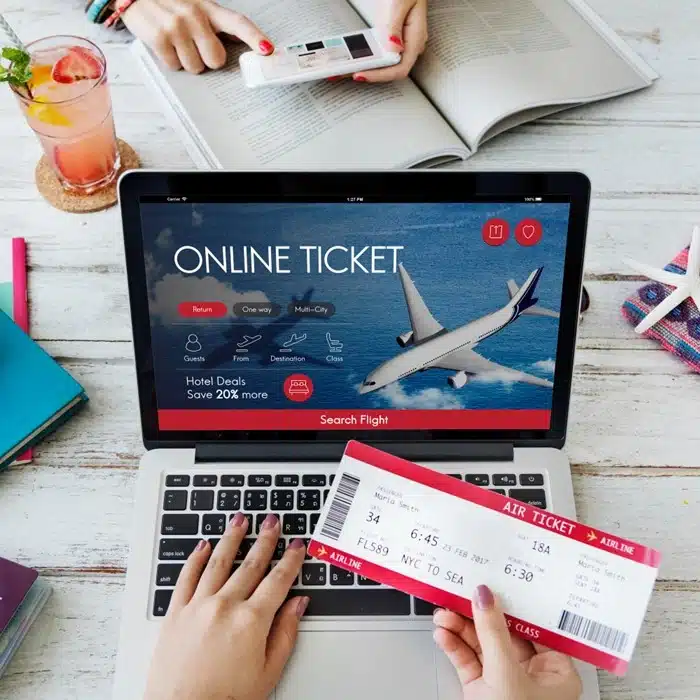
The Fake Booking Trap
Clone sites are one of the most common forms of travel fraud right now, as the websites replicate what the legitimate ones look like. You’ll find the same layout, similar domain names, and honest-looking reviews.
The tells, while small, are often very consistent, where you’ll see something slightly off with the URL, like “booking-hotels.net” instead of “booking.com.”
Also, payment options often lean towards wire transfers or gift cards, which is definitely suspicious. Also, after you pay, the confirmation email never arrives, or it comes from a generic Gmail address, which is never the case with official sites.
With all that, there still is an overlap between physical and digital fraud, which happens with vacation scams.
These peak around the high-demand season of traveling, as people look for last-minute deals or sold-out hotels, which makes them more susceptible to falling into fake schemes that one would click on because of urgency.
The overlap is most noticeable when fraudsters collect your personal details and then use that for a follow-up scheme, including suspicious packages tactics made to harvest feedback or verify active addresses for future scams. It all feels on when you’re the most vulnerable while planning for your trip, and they often try to play the long game.
The reason you need to detect small signs and know how to manage any issues is that one leak doesn’t mean you’re not susceptible to future ones. If a scam works, they might immediately gain access to more than just the money you just sent them.
Source: Magnific.
When a Package You Never Ordered Shows Up
Have you ever received a small but random parcel you never ordered? Whether that’s jewelry or a USB drive? You may have been on the receiving end of a brushing scam.
The way it works is sellers use real names and addresses to ship worthless items to themselves, then post fake verified-purchase reviews using your details, which is why you get the package, and they get a five-star review.
For travelers, the risk is that your address and identity are now confirmed as active and quite accurate. This makes you a more valuable target for future travel scams or identity-based scams.
According to the U.S. Federal Trade Commission, consumers who receive unrequested packages should report them immediately. Then, you should treat it as a sign that your personal data may have been previously leaked.
Scams That Start Before You Pack
Source: Magnific.
Traveler scams are not attempting to target the planning phase, but the trip itself. Some worth knowing are:
Fake visa services: these show up often, and they charge you fees to supposedly deliver you your visa, making you send them money and sometimes even your passport.
Fraudulent travel insurance: these are more difficult to spot because they typically send legitimate-looking documents, and the problem occurs when you make a claim and the company either doesn’t respond or doesn’t exist anymore.
Fake flight deals: these collect emails and payment information through offers that disappear as soon as you hit checkout.
The Taximeter That Conveniently Stops Working
Source: Unsplash.
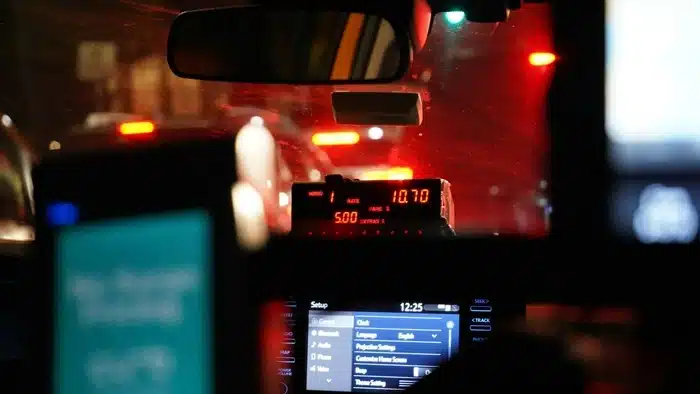
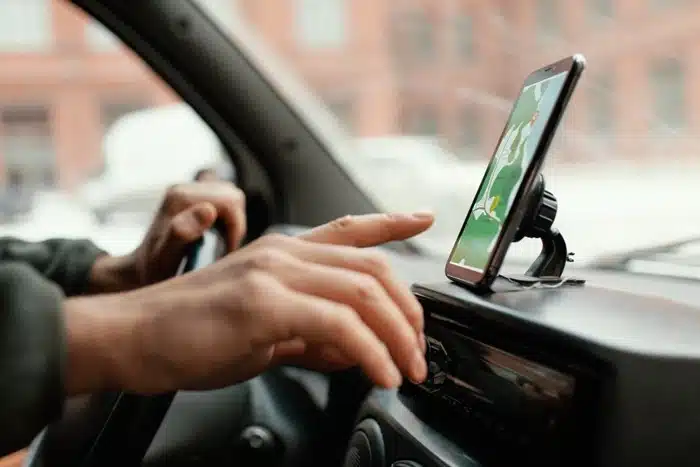
Taxi scams are among the oldest travel tricks in the book, yet they keep working because travelers are often too tired or too unfamiliar with local rates to push back. The moment you get in and the driver claims the meter is broken, or simply never turns it on, you've already lost your negotiating power.
This happens most frequently at airports and busy tourist hubs, where drivers know you're carrying luggage, you're in an unfamiliar city, and you just want to get to your hotel. The fare they quote at the end of the ride can be two or three times what it should have been.
Source: Magnific.
The scam works best on first-time visitors who haven't looked up typical fares in advance, which is exactly why doing that research before you land matters.
A quick search for the average taxi rate from the airport to the city center takes less than two minutes and gives you a number to reference when negotiating.
Ride-hailing apps like Grab, Uber, or their local equivalents have made this easier to avoid in many cities, since the price is locked in before you confirm the ride. Where those aren't available, always insist on the meter before the car moves, or agree on a fixed price upfront and confirm it again before you get out.
The Money Changer That Gives You Less Than You Think
Source: Unsplash.
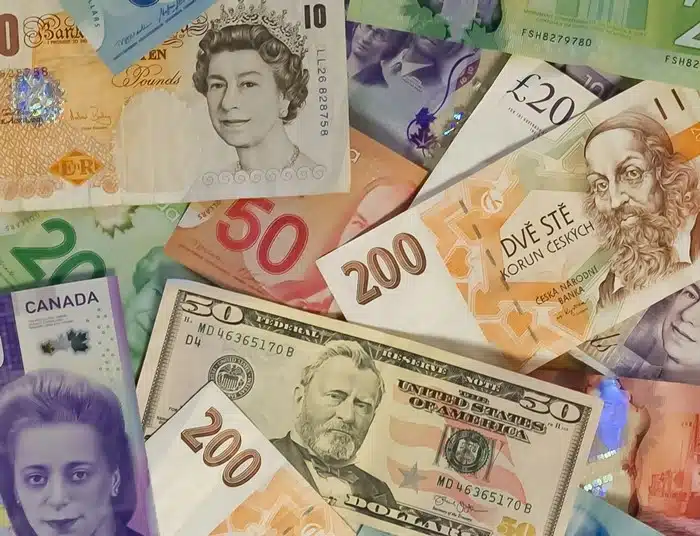
Currency exchange offices in tourist areas are not all created equal, and some of them rely on you not doing the math quickly enough to catch what they're doing. Hidden fees, poor base rates, and misleading “no commission” signs are all standard tools of the trade for the shadier ones.
The more sophisticated version of this scam goes beyond bad rates. The staff will count the notes out clearly in front of you, then fold a few back into their hand before passing the stack across the counter, banking on the fact that you won't recount it right there.
It sounds obvious when described this way, but it happens fast, it often happens while someone is talking to you, and the distraction is intentional. Recounting your money at the counter before you walk away is not rude — it's the only way to catch it.
The safest approach is to use ATMs from reputable banks for cash, or exchange currency at bank branches rather than street-level kiosks.
If you do use an independent exchange office, check the live rate on Google or XE before you walk in, calculate what you should receive, and count every note twice before leaving the window.
The Bracelet You Never Asked For
Source: Magnific.
This scam is as straightforward as it is frustrating, and it shows up in high-traffic tourist spots from Paris to Bali. Someone approaches you, often warmly, and begins tying a bracelet or wrapping a “gift” around your wrist before you've had a chance to say no.
Once it's on, the dynamic shifts entirely. The seller will demand payment for the bracelet that is now attached to you, and if you hesitate, the pressure escalates quickly, sometimes with a crowd of other sellers joining in. The amount asked is usually small enough that most people just pay to end the interaction.
What makes it effective is that it bypasses your decision-making entirely—you never agreed to buy anything, but now you feel obligated. That sense of obligation is the whole mechanism, and recognizing it for what it is helps you respond more clearly in the moment.
The simplest counter is to keep your hands in your pockets or close to your sides in known hotspot areas, and to say a firm, clear no the moment someone reaches toward you.
If a bracelet does end up on your wrist, you are not legally or morally obligated to pay for something you didn't ask for—removing it and walking away is always an option.
The Invisible Threats Through Public Wifi and ATMs
Source: Unsplash.
Free WiFi at airports, cafés, and hotel lobbies feels like a convenience, but public networks are one of the easiest ways for scammers to intercept your personal data.
Some fake hotspots are set up specifically to look like the venue's official network, and connecting to them means everything you type, from passwords to card numbers, can be captured without you knowing.
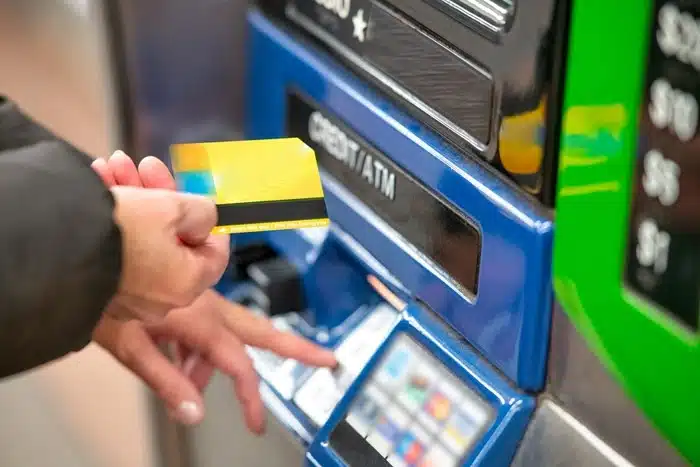
ATM skimming works on a similar principle but in the physical world, where a small device is attached to the card slot to copy your card information the moment you insert it. Standalone ATMs in tourist-heavy areas, particularly those not attached to a bank branch, are the most common targets for this kind of tampering.
Before you connect to any public WiFi, confirm the exact network name with staff rather than picking the strongest signal available. Using a VPN adds another layer of protection and is worth installing before your trip rather than scrambling to find one abroad.
For ATMs, stick to machines inside bank branches during business hours and always cover the keypad when entering your PIN. A few extra seconds of caution at the machine is significantly less painful than disputing fraudulent transactions from a different time zone.
Practical Tips
Source: Magnific.
At the end of the day, none of this requires you to treat everything like it’s an audit. Instead, a few steps take you a long way.
Book directly through the airline or the hotel itself if possible. Otherwise, you should use a well-known platform and nothing that looks too good to be true.
Then, before you click the confirmation link in the email, check the sender’s domain against the company’s address, as proper platforms do not send you confirmations from personal accounts.
Then again, for unsolicited packages, do not scan the QR codes included and do not download anything from any link you see.
Conclusion
Source: Magnific.
Travel frauds have gotten more convincing, but the fundamentals of how they work haven't changed all that much. They still rely on distraction, urgency, and the assumption that you won't slow down long enough to notice something is off.
The scams covered here span everything from a fake booking site to a bracelet tied around your wrist, and what they all have in common is that they're designed to feel normal. Knowing the pattern is more useful than memorizing every variation.
None of this means you should move through your trip with your guard permanently up. It just means the warning signs are easier to catch when you've seen them described before.
A few habits go a long way: confirm meters before rides, count cash before walking away, and verify WiFi names before connecting. Small checks, done consistently, close most of the gaps these scams depend on.
If this helped you feel more prepared for your next trip, share it with someone who's got travel coming up. The more people recognize these tactics, the less effective they become.
Disclaimer:
This post may contain affiliate links. I receive a small commission at no cost to you when you make a purchase using my link.