Planning a trip to Spain means juggling weather, crowds, and budget all at once. Get the timing right, though, and you unlock a version of the country most tourists never see.
The best time to visit Spain really comes down to what you're after, since the calendar shifts dramatically by region and travel style. Shoulder seasons like spring and early autumn tend to hit that sweet spot of good weather, lively festivals, and manageable crowds.
Budget matters just as much as weather. In 2026, a mid-range traveler can expect to spend roughly €120 to €180 a day, not counting flights, and that number swings hard depending on when and where you go.
In this post, we break down the best months region by region, from Andalusia's scorching summers to the Canary Islands' year-round appeal, plus what you'll actually pay depending on your travel style.
When is the overall best time to travel to Spain in 2026?
The best time to visit Spain in 2026 is during spring (April to June) or early autumn (September to October).
During these shoulder seasons, temperatures typically hover comfortably between 15 and 25 degrees Celsius across many regions, providing ideal conditions for:
Traveling during these months allows you to avoid the intense heat and massive crowds that characterize the peak tourist season of June through August, while still enjoying long daylight hours.
Furthermore, spring is particularly rich in cultural experiences, concentrating major religious and regional festivals that offer a deep dive into local traditions.
If you are highly budget-conscious, the low season from November to February provides the cheapest accommodation and flight rates, especially in major cities during January and February, though you must be prepared for cooler, rainier weather and shorter operating hours at some attractions.
Source: Unsplash.
How does the ideal travel season vary across different Spanish regions?
While Spain boasts a relatively mild climate overall, its diverse geography means that weather patterns and the resulting ideal travel windows vary significantly from one region to another.
The country features hot, dry summers in the interior and south, milder coastal conditions, and cooler, wetter climates in the north.
Understanding these regional distinctions is crucial for tailoring your itinerary, as a month that offers perfect beach weather in one province might bring sweltering, uncomfortable heat to a historic inland city.
What is the best time to explore Andalusia and the Mediterranean coast?
Source: Unsplash.
The prime months to visit Andalusia (including Sevilla, Granada, and Córdoba) are March through May and September through October.
During these periods, the weather is wonderfully warm but stops short of the extreme summer heat, which can occasionally soar to a staggering 40 or even 50 degrees Celsius in July and August.
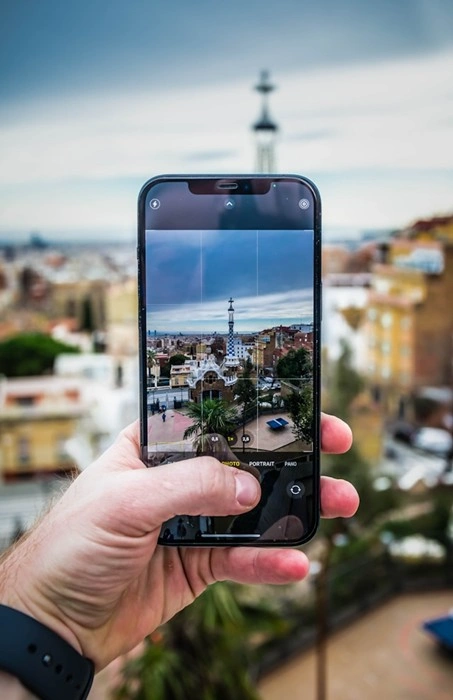
For those targeting the Mediterranean coast, encompassing destinations such as Barcelona, Valencia, and the Costa Brava, late April through June and September through October are highly recommended.
These windows provide excellent, warm temperatures suitable for enjoying the coastline while avoiding the massive influx of peak summer holidaymakers and the corresponding surge in prices.
When should you visit northern Spain and the Canary Islands?
Source: Depositphotos.
Northern Spain (including the Basque Country, Galicia, Asturias, and Cantabria) has a cooler, wetter year-round climate.
For this area, the peak summer months of June through August are actually the best time to visit, as they offer the most reliable, stable, and warm weather, providing a refreshing escape if you wish to avoid the intense heat of the south.
Conversely, the Canary Islands present a fantastic year-round destination thanks to their consistently mild to warm climate.
They are particularly attractive during the winter months, from November to March, serving as a premier winter sun getaway with comfortable temperatures in the upper teens to low twenties Celsius.
How much should you budget daily for a typical Spanish vacation?
Source: Unsplash.
Your daily budget for a Spanish getaway in 2026 will largely depend on your travel style, but current expert projections offer reliable baseline figures.
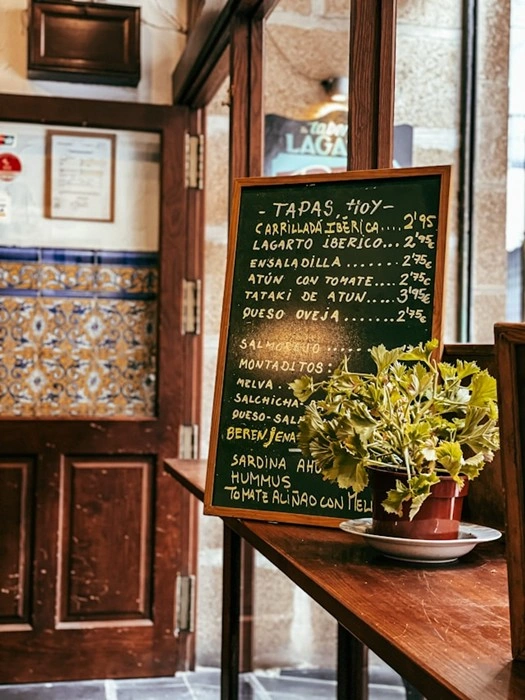
Budget-conscious: A budget-conscious traveler staying in hostels, utilizing public transport, and dining on inexpensive tapas or self-catered meals can expect to spend approximately €60 to €100 per day.
Mid-range: The most common mid-range travel style, which includes comfortable hotels, regular restaurant meals featuring the economical fixed-price menú del día, and occasional intercity train travel, typically requires a budget of €120 to €180 per person daily.
Higher-end: For a higher-end experience with boutique accommodations, frequent fine dining, and flexible transport, you should allocate €200 to €250 or more per day.
It is vital to remember that these figures exclude international flights, which can be a massive expense depending on your origin and booking timeline, and that accommodation prices in popular coastal areas can spike by up to 50% during the peak summer and major holiday periods.
How can you ensure reliable and affordable internet access during your trip?
Source: Amigosim.
Staying connected abroad is essential, but traditional roaming can quickly drain your vacation funds.
To avoid exorbitant fees and the hassle of queuing for physical SIM cards at the airport, digital solutions have become the standard for savvy international travelers.
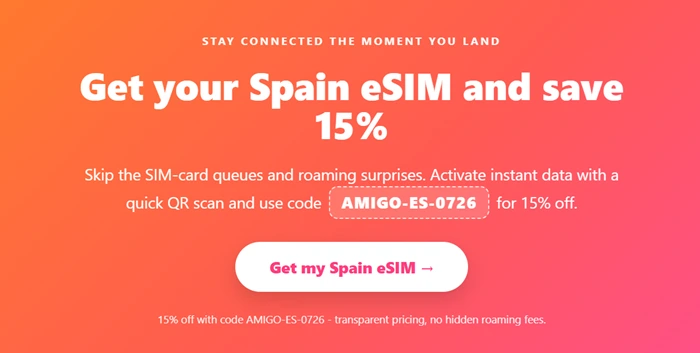
Finding the best eSIM for Spain ensures you have instant connectivity the moment your plane lands, offering a cost-effective alternative that operates seamlessly on reliable local networks like Vodafone ES.
This modern telecommunications approach is incredibly convenient; for instance, modern solutions like Amigo eSIM allow travelers to purchase, install, and top up data-only plans via a user-friendly app before departure, saving up to 90% on data costs while keeping their primary phone number active for calls and essential messaging apps.
Quick tip:Since timing your trip is all about stretching your budget, it is worth knowing you can save 15% on your Amigo eSIM for Spain with the code AMIGO-ES-0726 at checkout – one more easy saving on top of those shoulder-season deals.
Why is using secure mobile data crucial for protecting your privacy abroad?
However, these open networks are notoriously vulnerable to cyber threats, putting your sensitive personal information, banking details, and private communications at significant risk of interception.
By choosing safe eSIM cards, you gain access to secure, anonymous mobile data that encrypts your online activity, allowing you to browse, navigate, and communicate with complete peace of mind, far away from the dangers of compromised public hotspots.
How does your choice of travel dates directly impact your total expenses?
Source: Unsplash.
Seasonal demand dictates the pricing structure of the Spanish tourism industry, directly impacting your overall trip expenses.
Traveling during the peak summer months of June through August, as well as during major holidays like Christmas and Easter, will subject you to the highest possible fares for both international flights and local accommodations.
Conversely, strategically shifting your vacation to the shoulder seasons of May or September can yield substantial savings, allowing you to enjoy a premium experience, better weather, and fewer crowds for a fraction of the peak-season cost.
If minimizing expenses is your absolute top priority, braving the cooler temperatures of the low season in January or February will grant you access to the most heavily discounted hotel rates and airfares, proving that flexibility in timing is the ultimate tool for budget optimization.
Conclusion
Source: Unsplash.
Figuring out when to visit Spain really comes down to matching your priorities, whether that's mild weather, lower prices, or dodging the crowds. There's no single “right” answer, just the right season for what you want out of the trip.
If pleasant temperatures and fewer tourists top your list, spring and early autumn are hard to beat across most of the country. Budget travelers, on the other hand, will find the steepest discounts during the quieter winter months.
Don't forget that Spain's regions play by their own rules. The cooler north thrives in summer while the Canary Islands stay warm and inviting practically year-round.
Whatever season you choose, a little planning around weather and cost goes a long way toward a smoother, more affordable trip. Pair that with staying connected on the go, and you've got the makings of a stress-free Spanish getaway.
Save this guide now so you've got it handy when it's time to book your flights, and share it with anyone else dreaming of a Spain trip.
Disclaimer:
This post may contain affiliate links. I receive a small commission at no cost to you when you make a purchase using my link.