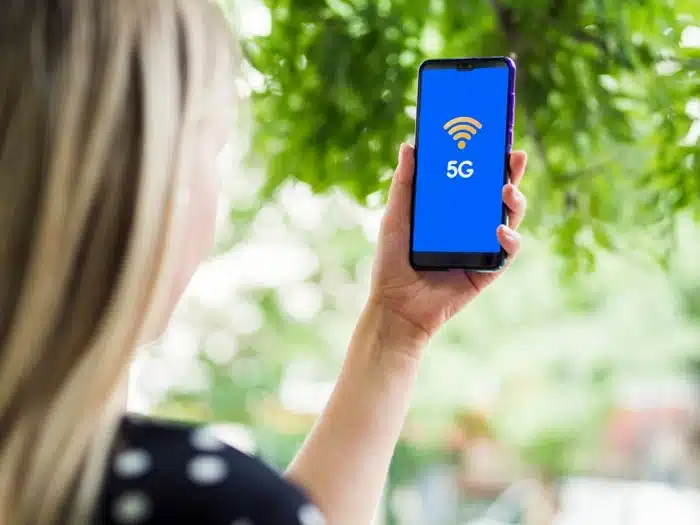
Staying connected while traveling through Europe is no longer a luxury—it's a necessity.
Whether navigating unfamiliar streets, booking last-minute accommodation, or sharing moments in real time, reliable mobile data for Euro trip can make or break the experience.
The good news? There are more options than ever. From prepaid SIM cards to eSIMs and pocket WiFi, each solution comes with its own set of trade-offs worth understanding before departure.
This guide breaks down the key differences between provider types, compares the most practical connectivity options, and explains what to watch for when choosing a plan. The goal is simple: fewer signal headaches, more time actually enjoying the trip.
The Ultimate Guide to Mobile Data in Europe for Easy Travel Without Signal Stress
Source: Depositphotos.
Understanding mobile data providers: MNO vs MVNO
Europe's telecommunications landscape presents travelers with two main types of mobile service providers: Mobile Network Operators (MNOs) and Mobile Virtual Network Operators (MVNOs).
Understanding the distinction between them is a key first step toward optimizing both coverage across Europe and costs while traveling throughout the continent. For those planning a trip, exploring travel connectivity in Europe options can help ensure seamless access to mobile data.
MNOs own and manage their network infrastructure, including cell towers and transmission equipment. They often provide widespread coverage, especially in urban areas and along major travel routes, making them a solid choice for those who prioritize network stability.
In contrast, MVNOs purchase usage rights from existing networks, reselling services under their own brand. This arrangement often leads to more competitive pricing and flexibility, which may benefit travelers seeking affordable or cost-effective options without sacrificing too much quality.
Which provider offers better coverage across Europe?
Source: Magnific.
Certain travelers instinctively gravitate towards MNOs for peace of mind, expecting the most extensive coverage across Europe.
Indeed, in many rural and remote parts of Europe, only major networks reach reliably. However, robust MVNOs—especially those with agreements spanning several national carriers—sometimes rival MNO reach at a reduced price point, particularly within city centers or countries with open telecom markets.
For extensive multi-country travel, comparing both options remains a wise move. Some MVNO packages are specifically designed for roaming in Europe, addressing common pain points for short-term visitors such as data limits and fluctuating fees.
When selecting any plan, examine exact coverage maps and check customer reviews to ensure consistent connectivity aligns with itinerary priorities.
What about data speeds and reliability?
Speed and consistency vary more frequently between individual plans than by overarching provider type.
MNOs sometimes deliver higher speeds or prioritize their direct clients during network congestion. Yet, leading MVNOs may negotiate strong agreements that grant full-speed data access on partner networks, particularly for popular city destinations and tourist sites.
The key variable typically comes down to the specific terms listed in each offer.
Many comparisons show little difference in typical speed test results for daily web browsing, social media, or mapping apps. Those anticipating heavy streaming, large downloads, or frequent virtual meetings should double-check fine print about throttling or reduced rates after reaching certain download thresholds.
Exploring convenient and cost-effective data options
Source: Depositphotos.
Asking “which solution guarantees affordable and reliable mobile data during a Europe trip?” leads to a variety of answers, depending on trip length, destination list, and expected data usage.
Below, several core methods are described alongside their strengths.
Prepaid SIM cards for European travelers
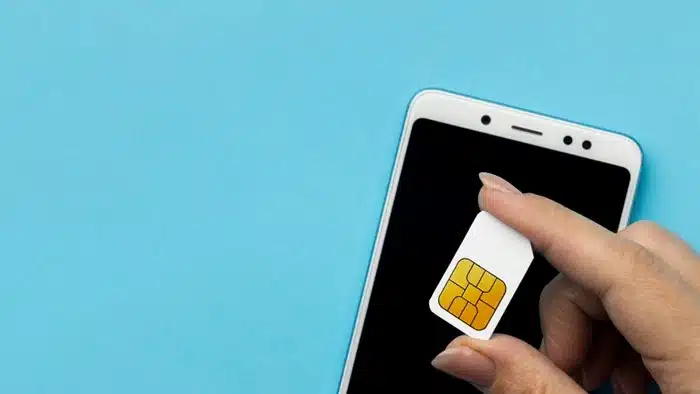
A prepaid SIM card purchased upon arrival in Europe—or ordered in advance—is one of the most straightforward ways to access local mobile data plans.
Most airports and railway stations host kiosks vending visitor-targeted packages, enabling immediate connection right after customs.
Prepaid SIMs suit travelers seeking flexibility; they rarely require contracts or paperwork beyond basic passport identification, and topping up credit feels effortless thanks to widespread recharge terminals and online tools.
One potential limitation is compatibility. Unlocking a handset beforehand is necessary to accept overseas SIM cards.
Also, switching physical SIMs typically disables a primary domestic phone number while abroad—a drawback for those who rely on regular messaging or call services from back home.
Source: Magnific.
The rise of eSIM technology in Europe
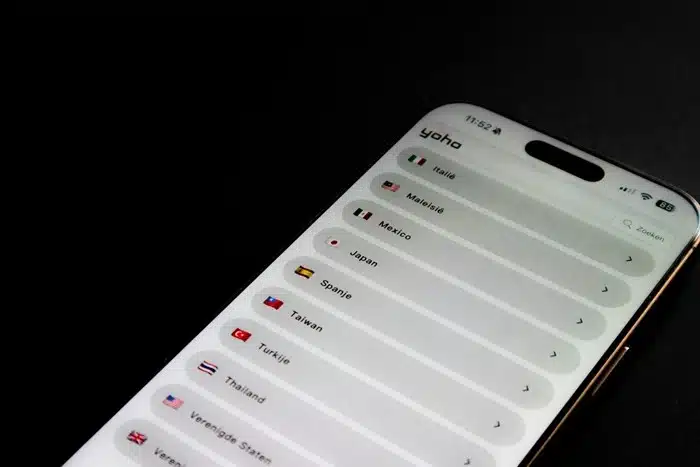
eSIM solutions present an increasingly modern alternative to physical SIM cards.
Supported by many recent smartphone models, this feature enables instant downloadable activation of mobile data plans without fiddling with tiny chips. Activation usually involves scanning a QR code, so travelers could arrange full international roaming connectivity mere minutes after landing, assuming compatible hardware.
Additionally, using an eSIM allows some phones to operate dual lines concurrently. Maintaining access to both a home number and a European data package makes coordination much easier for those juggling logistics, family check-ins, or authentication texts.
Not all countries support eSIM equally, so verification prior to travel is a clever precaution.
Source: Unsplash.
Pocket WiFi for group travel or multiple devices
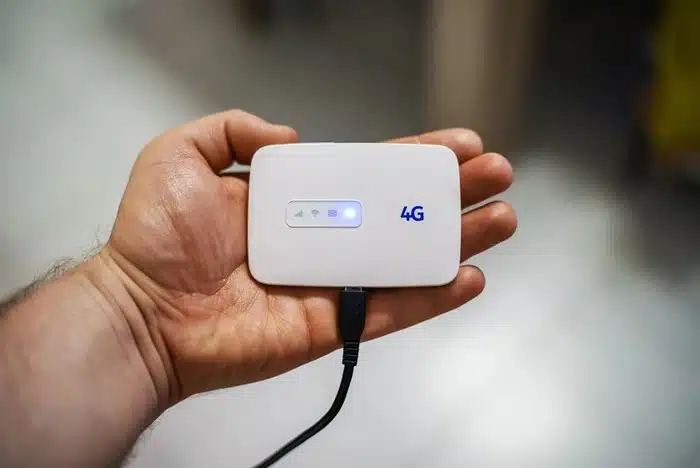
Pocket WiFi devices cater well to families, work groups, or anyone running several gadgets simultaneously.
These small, rechargeable routers connect to nearby cellular networks, broadcasting private WiFi to all paired devices.
Rental kiosks sit conveniently at major airports and downtown centers, while advance reservation delivers a unit straight to hotel reception or even a home address before departure.
The biggest allure comes from sharing a single mobile data plan among laptops, tablets, and extra phones, often at a lower per-device cost compared to buying multiple cards.
Returning the device typically ends charges, removing headaches around subscription cancellation or post-trip billing surprises. Downsides involve remembering to keep the router charged and tracking it as one more valuable item on the go.
Source: Depositphotos.
Key considerations for managing data usage and costs
Securing a plan is just the first step—avoiding sticker shock at checkout or mid-journey bandwidth slowdowns also demands attention to practical details regarding data usage and calculation.
Estimate daily requirements: Mapping, translation apps, and casual web browsing generally use limited volumes; video streaming or conference calls will eat through allowances quickly.
Monitor real-time usage: Both iOS and Android offer built-in data counters, while many SIM or WiFi rental providers supply online dashboards to warn about approaching caps.
Download content ahead: Offline navigation, playlists, and city guides minimize spontaneous data draws when connections turn costly or slow.
Restrict background refresh: Disable non-essential app updates or cloud backups while roaming in Europe to conserve bytes and battery life.
Regularly reviewing settings prevents unpleasant interruptions. Few things cause more frustration than running out of mobile data at a critical moment, miles from the nearest WiFi hotspot.
Additionally, many mobile data plans differentiate between domestic and international roaming zones. Carefully check that any chosen package explicitly includes coverage across Europe, rather than only the original country, to avoid surprise surcharges at border crossings.
The case for unlimited data and high-capacity options
Source: Magnific.
A growing segment of providers now advertises unlimited data plans tailored to international travelers. While such offers bring obvious peace of mind, not all “unlimited” labels mean unrestricted gigabytes at top speed.
Some cap maximum download rates after a set monthly threshold, instead offering continued service at slower speeds to keep users online without hefty overage fees.
These plans fit digital nomads, remote workers, or media creators with above-average demands. For others—particularly tourists who mainly text, share images, or check museum hours—a cap-based option might deliver superior value per euro, without risking underutilization or overspending.
Unlimited packages often involve a fixed upfront fee covering all anticipated usage, simplifying budgeting for longer trips.
Providers occasionally bundle voice calls and text messages with unlimited data, streamlining communications needs into a single product.
Review the fair use terms for each unlimited package, since sustained ultra-high-volume downloads may violate provider policy.
Weighing projected data consumption against sample plan descriptions ensures genuine savings, rather than paying for resources unlikely to be used.
To select between unlimited and cap-based offerings, calculate routine activities—such as daily travel app checks, social media posts, or map searches—against listed allowances.
Travelers prone to large photo uploads, cloud sync, or constant GPS streaming should lean toward flexible or uncapped solutions for uninterrupted coverage across Europe.
Practical tips for staying connected across Europe
Source: Magnific.
Covering multiple countries on a single itinerary complicates the quest for continuous, hassle-free internet. Nonetheless, savvy preparation minimizes disruptions and maximizes enjoyment of Europe’s interconnected landscape.
Choose plans explicitly promoting international roaming, ideally featuring “coverage across Europe.”
Save critical documents—boarding passes, reservations, emergency contacts—to local device storage before crossing any border.
Take note of locations for free public WiFi, such as train stations, museums, and some public squares, to stretch allowances further when needed.
Consider carrying a back-up solution, like a second SIM or emergency pocket WiFi voucher, in case of loss or malfunction.
Adjust expectations based on region: Northern and Western Europe typically offer denser mobile coverage and faster average speeds, while mountainous or remote Southern/Eastern territories might bring occasional interruptions or speed dips.
Finally, keeping roaming settings active—but confirming that a chosen plan supports true international roaming—will help maintain access during unexpected transitions between countries or networks.
FAQs
Source: Unsplash.
Is an eSIM better than a traditional prepaid SIM card for European travel?
eSIM solutions enable easy plan activation without handling tiny physical cards, ideal for frequent country changes or dual-line operation.
Travelers benefit from instant downloads and no need to swap chips, though compatibility depends on phone model and availability in each country.
Traditional prepaid SIM cards remain widely available and don’t require advanced phone settings, serving best when device support or technical comfort is limited.
How should mobile data usage be calculated while traveling?
Data calculators estimate needs based on planned activities. Web browsing and maps normally consume less than streaming or large file downloads.
For instance, sending emails and checking schedules uses minimal bandwidth, while uploading videos or calling via video apps increases totals rapidly.
Monitor ongoing consumption with device tools or provider apps and adjust usage habits accordingly.
Do unlimited data plans really offer unlimited data usage?
Most so-called unlimited plans include a fair usage limit. Once reached, the provider often reduces speed but does not cut off access.
Before purchase, always check for daily or monthly throttling clauses, as these impact service quality, especially for demanding applications such as streaming or cloud backup.
Which option suits a group: prepaid SIM card, eSIM, or pocket WiFi?
Pocket WiFi fits travelers needing to connect several devices or share data easily. Instead of individual SIM purchases and constant device swapping, a portable hotspot covers everyone with one plan.
For solo use or simple setups, prepaid SIMs or eSIMs generally suffice, provided each traveler has an unlocked phone supporting the desired technology.
Conclusion
Source: Unsplash.
Choosing the right mobile data for a Euro trip comes down to three things: how many countries are on the itinerary, how many devices need connecting, and how much data daily habits actually require. Get those three factors right, and the rest falls into place.
Prepaid SIMs work well for straightforward trips with a single destination. eSIMs offer flexibility for frequent border crossings, while pocket WiFi makes the most sense for groups or multi-device travelers.
Whatever the choice, reading the fine print matters. “Unlimited” doesn't always mean full speed, and not every plan covers roaming across all European countries without extra charges.
A little preparation before departure goes a long way. Downloading offline maps, saving key documents locally, and knowing where free WiFi is available can stretch any data plan further.
Europe is best experienced without the stress of a weak signal or an unexpected bill. Book the plan, sort the connection, and focus on the trip itself.
Disclaimer:
This post may contain affiliate links. I receive a small commission at no cost to you when you make a purchase using my link.