Madrid has quietly become one of Europe's most appealing bases for remote workers, offering reliable infrastructure, affordable living costs, and a vibrant international community.
Digital nomad life in Madrid means choosing from excellent neighborhoods like Malasaña and Chamberí, navigating an efficient Metro system, and enjoying evenings filled with tapas and cultural discoveries.
Whether you're planning a month-long stay or considering a longer-term move, understanding the practical aspects of working remotely here will help you settle in quickly.
This guide covers everything from finding the right workspace and accommodation to managing your schedule and exploring the city's museums and nightlife. You'll learn how to navigate Madrid like a local whilst building a routine that supports both your career and your curiosity.
Madrid is home to numerous co-working spaces that cater specifically to remote professionals and freelancers. These venues offer high-speed WiFi, dedicated workstations, and opportunities to network with fellow entrepreneurs and startup founders.
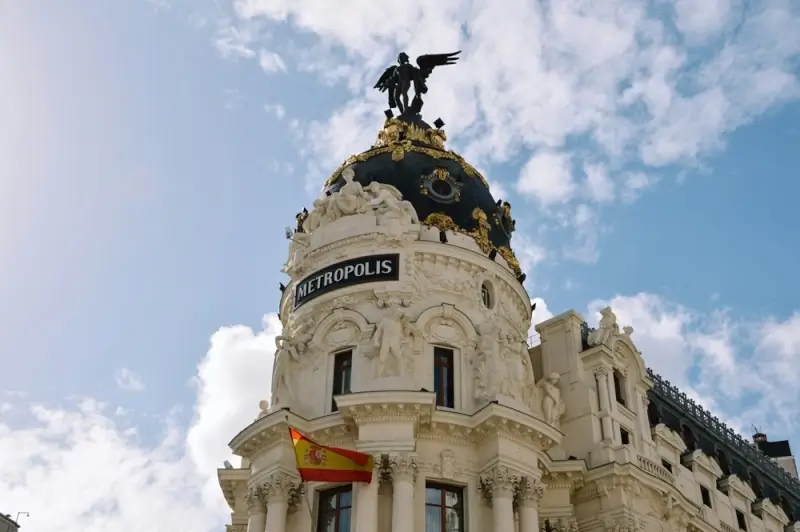
Neighborhoods such as Chamberí, Malasaña, Chueca, and Salamanca have emerged as popular bases for digital nomads, each offering its own character and amenities.
Chamberí combines a traditional Spanish atmosphere with modern conveniences, whilst Malasaña and Chueca buzz with creative energy and a youthful vibe. Salamanca, on the other hand, presents a more upmarket setting with elegant streets and premium dining options.
Beyond formal co-working hubs, many cafes across the city provide reliable internet and a welcoming atmosphere for those who prefer a more casual setting.
Federal Cafe and The Bicycle are well-regarded spots where you can settle in with your laptop and a flat white, blending work with the local cafe culture. For a longer-term stay, consider accommodation options that merge living and working seamlessly.
Coliving spaces such as Urban Campus and The Central House offer furnished rooms alongside shared workspaces, fostering a sense of community among international residents.
If you're searching for a more independent setup, companies such as Rent remote specialize in furnished apartments designed explicitly for remote workers, complete with dedicated workstations, dual monitors, and ergonomic chairs. These properties are professionally managed and located in premium areas, ensuring you have everything you need to maintain productivity without sacrificing comfort.
Remote workers looking for flexible, high-quality housing options will also find a variety of modern solutions through platforms offering short term rentals madrid, providing furnished apartments with reliable WiFi, workspace setups, and convenient locations across the city.
Source: Depositphotos.
Choosing Brilliant Co-Working Spaces and Cafés Across the City
When evaluating where to set up your daily workspace, think about proximity to your accommodation, the quality of the facilities, and the type of atmosphere you find most conducive to focus.
Some co-working spaces host regular networking events and workshops, which can be invaluable for meeting other remote professionals and expanding your circle.
Platforms like Croissant provide flexible access to multiple venues, allowing you to switch locations based on your schedule or mood. This flexibility is particularly useful if you fancy a change of scenery or want to explore different neighborhoods throughout your stay.
Many spaces also offer private meeting rooms, which are handy if you need to take client calls or participate in video conferences without background noise.
Cafes, whilst charming, may not always guarantee a seat during peak hours, so it's wise to have a few backup options in mind.
Look for venues that offer power outlets at every table and a reliable internet connection, as these details can make or break your work session.
Some cafes in Madrid have become informal hubs for freelancers and digital nomads, creating a supportive environment where you might strike up conversations with like-minded individuals.
However, be mindful of the unwritten rule to order something every couple of hours if you're occupying a table for an extended period, as this shows respect for the establishment and keeps the staff happy.
Source: Unsplash.
Managing Your Schedule: When to Graft and When to Explore
Establishing a consistent work routine is crucial for maintaining productivity in an environment that offers so many distractions.
Start by defining your core working hours and sticking to them as closely as possible. Many remote workers find success with time management techniques such as the Pomodoro Technique, which involves working in focused intervals followed by short breaks.
This method helps sustain concentration and prevents burnout, especially when you're tempted to wander off and explore the city. Another approach is time blocking, where you allocate specific chunks of your day to distinct tasks, ensuring that both work responsibilities and leisure activities receive dedicated attention.
Mornings can be an excellent time for deep work, as the city tends to be quieter and your mind is fresh.
Consider beginning your day with a brisk walk through Retiro Park or a nearby plaza, followed by a coffee at a local cafe, before diving into your most demanding projects.
By the afternoon, when energy levels naturally dip, you might shift to lighter tasks such as responding to emails or planning your next day's priorities.
Evenings in Madrid are ideal for unwinding and soaking up the local culture, whether that means joining a tapas tour, attending a networking event, or simply strolling through one of the city's lively neighborhoods.
The key is to set boundaries so that work doesn't bleed into every hour of the day, allowing you to recharge and enjoy the experiences that drew you to Madrid in the first place.
Source: Unsplash.
Getting About Madrid Efficiently Between Work Sessions
Madrid's public transport system is one of the most efficient in Europe, making it straightforward to navigate the city without a car.
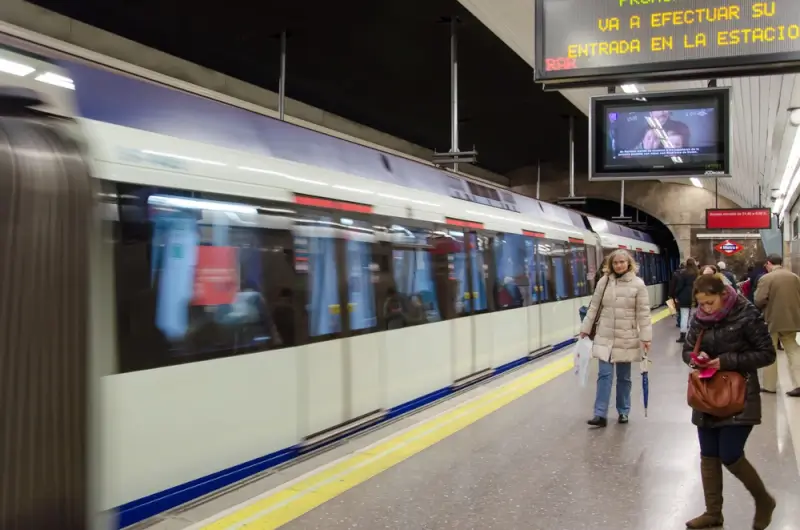
The Metro network is extensive and reliable, connecting virtually every neighborhood and major attraction. A monthly travel card costs around fifty-five euros, which represents excellent value if you plan to use public transport regularly.
The system is well-sign posted in both Spanish and English, and trains run frequently throughout the day and into the night. For visitors staying in the city for shorter periods, a rechargeable transport card with a starting fee of two euros and fifty cents provides flexibility and ease of use across buses and trains alike.
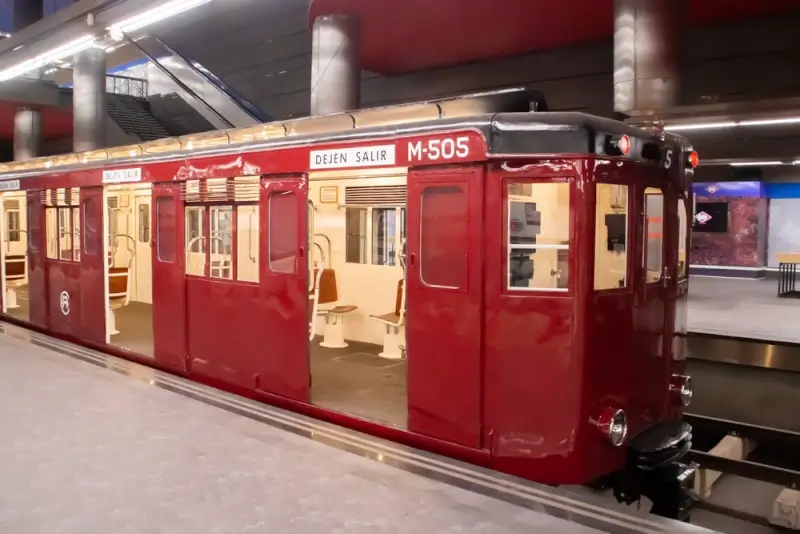
Understanding the Metro map might seem daunting at first, but after a few journeys, you'll quickly get the hang of the color-coded lines and interchange stations.
Apps such as Moovit offer real-time navigation and route planning, which can save you from getting lost or missing connections.
Buses operated by EMT complement the Metro, reaching areas that trains don't serve and offering a more scenic view of the city as you travel.
Taxis and ride-sharing services are also readily available, though they tend to be more expensive and are best reserved for late-night trips or when you're carrying heavy luggage.
Source: Depositphotos.
Navigating the Metro and Public Transport Like a Local
To blend in with the locals and move through the system smoothly, observe a few unwritten rules.
Stand on the right side of escalators to allow others to pass on the left, and avoid blocking doors when passengers are boarding or alighting.
During rush hours, the Metro can become quite crowded, so traveling slightly earlier or later can make your journey more comfortable.
Keep an eye on your belongings at all times, as pickpockets do operate in busy stations and tourist areas.
Most stations have clear maps and electronic boards displaying train arrivals, making it easy to plan your route on the spot.
If you're traveling from the airport, the Metro offers a convenient connection to the city center for the cost of the standard fare plus a small surcharge of around five euros. Alternatively, taxis charge a flat rate of thirty euros to central locations, which can be worthwhile if you arrive late at night or with bulky luggage.
Familiarizing yourself with the transport network early in your stay will save you time and stress, allowing you to focus on your work and exploration rather than worrying about how to get from one place to another.
Source: Depositphotos.
Walking Routes That Combine Sightseeing with Your Daily Commute
One of the joys of working in Madrid is that many neighborhoods are compact and pedestrian-friendly, making walking a practical and enjoyable mode of transport.
Plotting a route that takes you past iconic landmarks or through picturesque streets can transform your daily commute into a mini-adventure. For instance, a stroll from Malasaña to Salamanca will lead you through bustling markets, historic squares, and tree-lined avenues, offering a glimpse of the city's diverse character.
Walking also provides a mental break between work sessions, helping to clear your mind and spark creativity.
Retiro Park is a favorite among locals and visitors alike, offering expansive green spaces, tranquil ponds, and shaded pathways perfect for a midday walk or a quick jog.
Incorporating a detour through the park on your way to a co-working space or cafe can boost your mood and energy levels, making the rest of your workday more productive.
Madrid's streets are generally safe, and the city's layout is easy to navigate with the help of a smartphone map.
As you become more familiar with the area, you'll discover shortcuts and hidden gems that add character to your routine, whether that's a charming bookshop, a tucked-away courtyard, or a bakery that serves the best croissants in town.
Source: Depositphotos.
Making the Most of Madrid's Culture During Your Downtime
After a full day of work, Madrid offers an abundance of cultural experiences that cater to a wide range of interests.
The city is renowned for its art museums, vibrant nightlife, and culinary traditions, all of which provide excellent opportunities to unwind and recharge. Balancing your professional responsibilities with these leisure activities is essential for maintaining long-term motivation and avoiding burnout.
The key is to plan your downtime as deliberately as you plan your work schedule, ensuring that you make space for exploration and relaxation.
Madrid's central location within Spain also makes it an ideal base for weekend trips to other cities such as Toledo, Segovia, Barcelona, Lisbon, and Valencia.
These destinations are easily accessible by train or bus, allowing you to experience diverse landscapes and cultures without straying too far from your temporary home. However, even if you choose to remain in the city, there's more than enough to keep you engaged.
From bustling markets to serene parks, from avant-garde galleries to centuries-old palaces, Madrid presents a rich tapestry of experiences that cater to every mood and interest.
Source: Unsplash.
Must-Visit Museums and Galleries That Won't Knacker Your Schedule
Madrid is home to some of the world's most celebrated art collections, and visiting these museums can be both enriching and surprisingly manageable even with a busy work schedule.
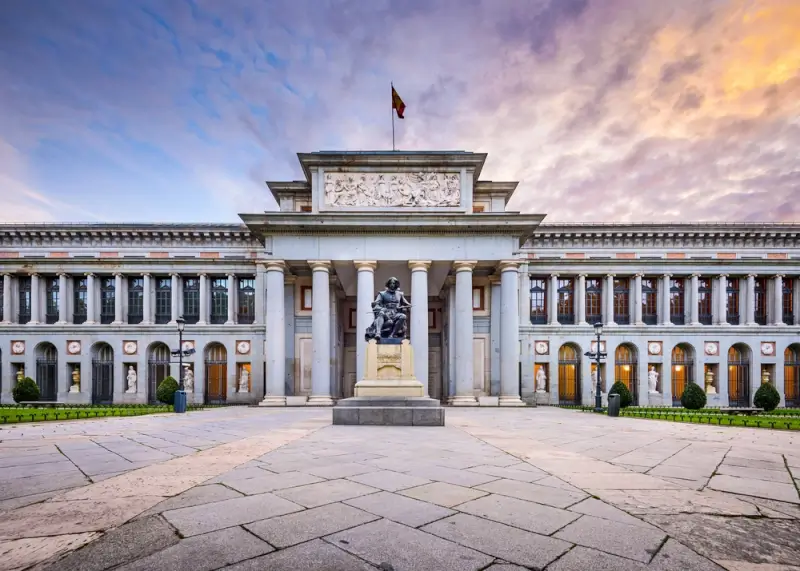
The Prado Museum houses masterpieces by Spanish greats such as Velázquez, Goya, and El Greco, offering a comprehensive overview of European art from the medieval period to the nineteenth century. Allocating a couple of hours for a focused visit allows you to appreciate the highlights without feeling overwhelmed.
Many museums offer free or discounted entry during specific hours, which is a brilliant way to experience world-class culture on a budget.
In addition to the Prado, the Reina Sofía Museum showcases modern and contemporary works, including Picasso's iconic Guernica.
The Thyssen-Bornemisza Museum complements these institutions with a diverse collection spanning various periods and styles, providing a well-rounded artistic experience.
If you're short on time, consider picking one museum per weekend or dedicating a quiet weekday afternoon to a visit. This approach prevents museum fatigue and gives you the chance to absorb the artworks at a leisurely pace.
Many of these institutions also host temporary exhibitions and cultural events, so checking their schedules in advance can help you plan your visits around special showings or guided tours.
Source: Depositphotos.
Evening Tapas Culture: Networking and Unwinding After Work
Few experiences capture the essence of Madrid quite like an evening spent hopping between tapas bars.
This tradition is not only about sampling delicious food but also about socializing, unwinding, and connecting with both locals and fellow travelers.
The neighborhoods of La Latina, Chueca, and Malasaña are particularly renowned for their tapas scenes, offering everything from classic Spanish dishes to innovative fusion cuisine.
Many bars serve small plates alongside your drink, allowing you to taste a variety of flavors without committing to a full meal. This style of dining is ideal for remote workers who want to keep their evenings flexible and spontaneous.
Source: Depositphotos.
Networking in Madrid often takes place in informal settings such as these tapas bars, co-working events, and language exchange meetups.
Platforms like Meetup list regular gatherings for digital nomads, entrepreneurs, and expats, providing opportunities to share experiences, exchange tips, and even collaborate on projects.
Building a social network in a new city can significantly enhance your stay, offering both personal support and professional connections. Whether you're discussing the latest startup trends over a glass of vermouth or practicing your Spanish with a local language partner, these interactions enrich your time in Madrid and create lasting memories.
For those who prefer a more structured culinary experience, companies such as Devour Tours offer guided evening tapas tours that combine food, history, and local insights.
These tours can be a brilliant way to discover hidden gems and learn about Madrid's gastronomic traditions from knowledgeable guides.
Solo dining is also a pleasant and accepted part of the culture, with markets and smaller establishments providing welcoming environments for individuals.
Restaurants such as Taberna La Carmencita and Fismuler are well-regarded for their quality and atmosphere, making them excellent choices for a more leisurely dinner after a productive day of work.
Conclusion
Source: Depositphotos.
Working as a digital nomad in Madrid offers an exceptional combination of productivity and cultural richness that few European cities can match.
From well-equipped co-working spaces to neighborhoods brimming with character, the city provides everything you need to maintain your professional standards whilst enjoying genuine Spanish experiences.
The practical aspects—affordable accommodation, efficient public transport, and reliable internet—create a solid foundation for remote work. Meanwhile, the museums, tapas bars, and weekend getaway options ensure your downtime is just as fulfilling as your working hours.
Success in Madrid comes down to establishing clear boundaries between work and leisure, choosing the right neighborhood for your lifestyle, and taking advantage of the city's walkability and excellent Metro system. These elements combined create a sustainable routine that keeps you motivated and engaged.