The smoke clears, the water drains, or the power finally comes back on, and your kitchen still doesn't work. For hillside homeowners, that moment often marks the start of the longest part of the disaster, not the end.
Smoke, ash, floodwater, and long power outages each wreck a kitchen differently, and most of the damage stays hidden for weeks. Add one narrow road shared by every repair crew in the canyon, and your rebuild can easily drag past 2 months.
This guide covers what actually happens to a kitchen after a disaster, how long the fix really takes, and where your insurance money quietly runs out. It also shares the hillside home tips for kitchen disasters that most emergency checklists leave out.
Most disaster plans end after the first 72 hours. Your kitchen recovery can take months, so your plan should too.
The Ultimate Emergency Plan for Your Hill House Kitchen
Source: Unsplash.
What Actually Wrecks a Kitchen During a Disaster
Fire, flood, and a week without power don't damage a kitchen the same way. Each one goes after a different part of the room. The damage rarely shows up right when it happens.
Smoke and Ash Get Into Everything
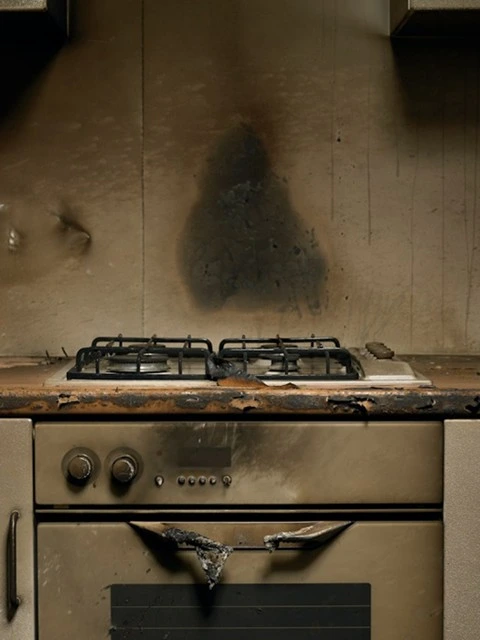
Ash works its way into vents, motors, and gaskets long before you smell it. An oven that looks untouched from the outside can have a scorched control board inside. Cabinets soak up smoke smell for months, sometimes permanently, no matter how many times you scrub them.
Ash from a house fire carries more than soot. It carries whatever burned, including plastics, treated wood, and whatever fluids were sitting in the garage.
That's why professional smoke cleanup costs more than a wipe down with dish soap. It's also why insurers often want documented cleaning before they'll sign off on a kitchen as “restored.”
Water that backs up under your cabinets rots the subfloor before you see a single stain on the surface. A contractor pulling out a “fine” cabinet six weeks later finds mold that started the night of the flood, not the week after.
A Dead Fridge Is Worse Than an Empty One
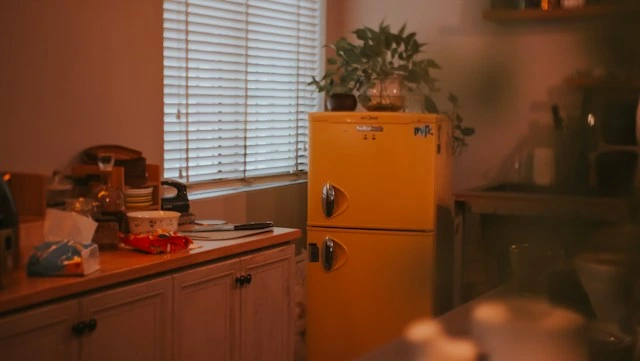
A refrigerator that sat through a multi-day outage isn't safe to plug back in and use, even if the compressor still hums. Whatever was inside spoiled hours before the power came back. The smell alone tells you the unit is done.
Source: Unsplash.
The Timeline Nobody Warns You About
Ask anyone who has actually rebuilt after a fire or a flood how long their kitchen took. The answer is rarely under two months.
Permits take time to process. Contractors in fire country book out for the next several seasons before your claim even lands on a desk.
Insurance adjusters have to inspect the damage before anyone touches a wall. That inspection alone can take weeks after a big regional event.
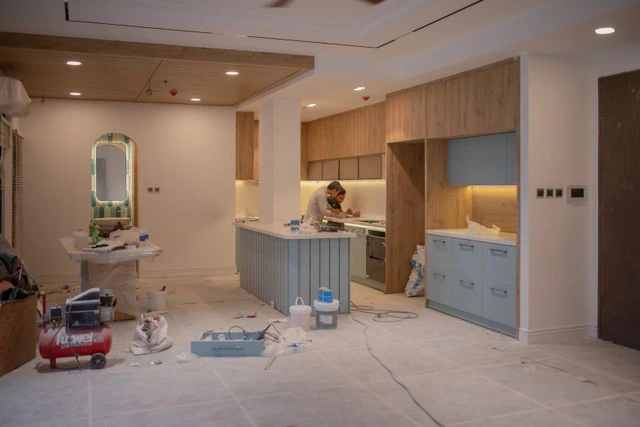
A burst pipe might get patched in a week. A kitchen gutted by smoke, ash, or three feet of water is a different kind of project. It runs closer to a full renovation than a repair, budget and timeline included.
Source: Pexels.
The Cost Nobody Budgets For
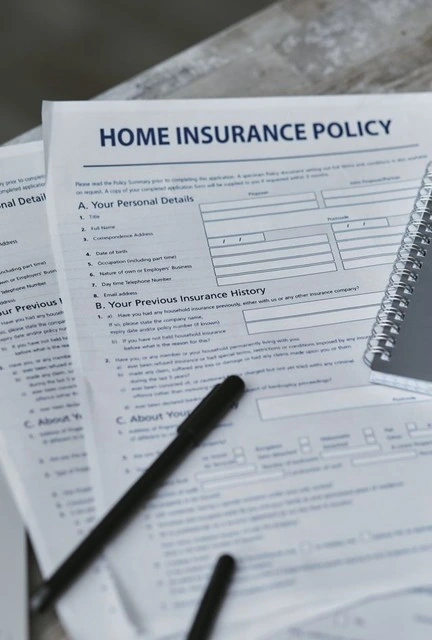
Homeowners insurance usually covers Additional Living Expenses (ALE) while your house isn't livable.
That sounds generous until you read the fine print. ALE is capped, often a percentage of your dwelling coverage. It drains fast once every meal comes from a restaurant or a grocery store deli case.
Contractors running longer rebuilds have started building a temporary kitchen into the quote for exactly this reason.
A rented setup costs less than three straight months of takeout for a family of four. It also keeps a construction crew from tracking mud through whatever's left of your dining room.
None of this is a knock on contractors or insurers. Most of them are stretched thin after a big regional event, working through hundreds of claims at once.
The bottleneck is real. Pretending it isn't just delays the food question longer.
Source: Unsplash.
What You Actually Do While the Kitchen Is Out
Eating out feels fine for the first few days. Then the bill hits. Being “fine” stops fast, usually somewhere around week two.
A hotel room with a mini fridge and a microwave keeps nobody fed past day three. Moving in with family works for a little while.
Two households sharing one kitchen for eight weeks is a recipe for a fight, usually over the dishwasher or whose turn it is to cook. A family of five living out of a rental for three months can burn through more grocery and takeout money than a decent used car costs.
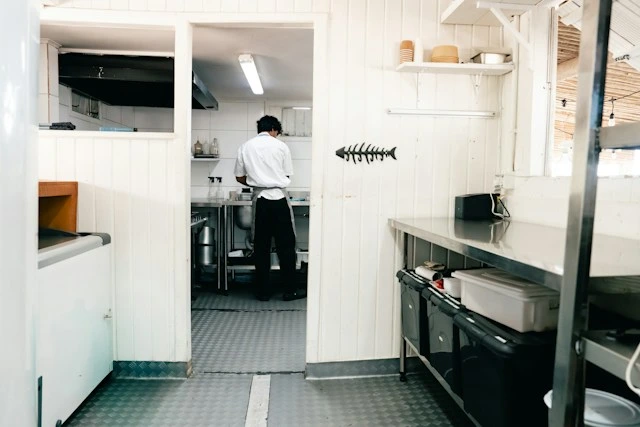
For bigger jobs, disaster crews and contractors managing several homes at once skip the folding table entirely. They bring in something closer to what restaurants use after a fire.
One example use case is a full kitchen running for a fire-damaged restaurant in under two days. A setup like that can carry a single household, or a whole street of them, through a rebuild that drags into months.
Put the Kitchen in Your Actual Plan
Source: Unsplash.
Most fire and flood prep guides stop at go-bags and evacuation routes. That covers the first 72 hours. Nobody writes a plan for month three. By then the rebuild is still crawling. Takeout has lost its charm completely.
The missing kitchen deserves its own line item, right next to your insurance documents and your evacuation route.
Write down how you'll cook and eat if the kitchen is out for two months, not two days. Ask your insurance agent exactly what ALE covers before you need it, not during a claim call at midnight.
Know who to call about a temporary kitchen before the smoke clears, not after everyone else in your canyon has already called them.
Conclusion
Source: Unsplash.
A kitchen rarely dies in one dramatic moment. Smoke creeps into the motors, water rots the subfloor out of sight, and a dead fridge quietly turns into a total loss.
The repair takes longer than anyone expects. Permits, booked-out contractors, and slow insurance inspections can stretch a kitchen rebuild well past 2 months.
Meanwhile, ALE coverage drains faster than most families realize, especially once every meal comes from a restaurant. A temporary kitchen often costs less than months of takeout and keeps daily life closer to normal.
The best hillside home tips cover more than evacuation routes and go-bags. They also answer one simple question: how will you feed your household while the kitchen is out?
Call your insurance agent this week and ask exactly what your ALE covers. Then write down your backup kitchen plan and keep it next to your insurance documents, before the next fire or flood season arrives.
Disclaimer:
This post may contain affiliate links. I receive a small commission at no cost to you when you make a purchase using my link.