Most people travel New Zealand with a bag, a plan, and a rotating cast of hostel kitchens that never quite feel like yours. Renting an apartment with a kitchen in New Zealand was the thing that finally changed how I experienced the country.
Not because it made things more luxurious. Because it made things more real.
Having a proper space to cook — for weeks, not just a night or two — shifted everything from how I shopped to how I ate to how I actually saw the place. It's a quieter kind of travel experience, but a more honest one.
This is what that actually looks like in practice.
When you have a kitchen, you stop chasing meals and start building them. Breakfast is no longer whatever is closest. Dinner is not dictated by opening hours. You begin to notice what’s actually available locally, not just what’s on menus.
In cities like Wellington or Auckland, that becomes obvious fast. Supermarkets are stocked, yes, but what stands out is consistency. Produce looks like it hasn’t traveled halfway across the world, because often, it hasn’t.
You start buying things you didn’t plan to buy, simply because they look like they should be used immediately.
That’s when the kitchen stops being a feature and becomes the center of the day.
Three Weeks, One Apartment, and a Slightly Suspicious Level of Efficiency
Source: Unsplash.
This wasn’t a one-week experiment. It was just over three weeks in one place, which in travel terms is basically settling down.
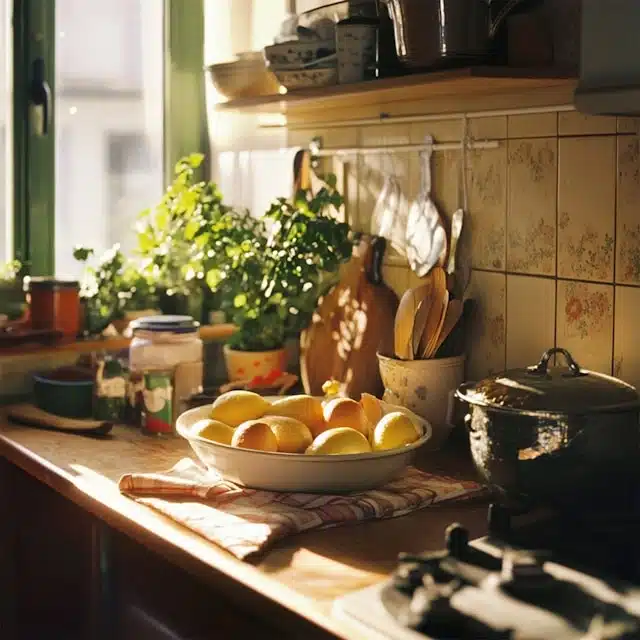
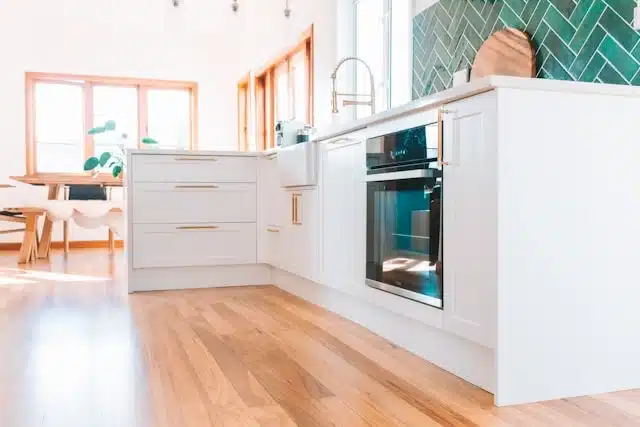
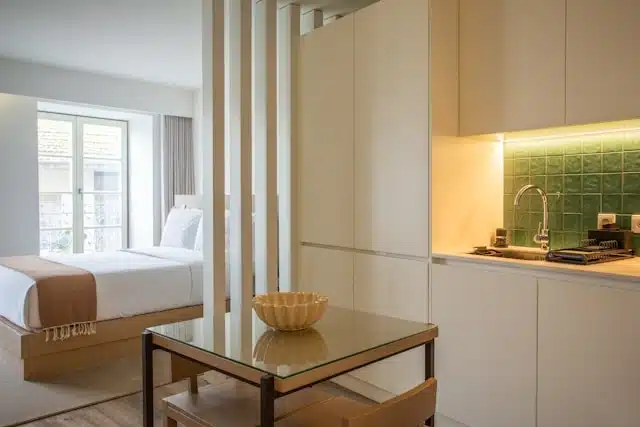
The apartment itself was simple. Nothing styled for photos, nothing oversized. But everything worked. Stove, oven, fridge, counter space that didn’t require strategy just to chop something.
And then something unexpected happened.
Ordering Meat and Groceries Like a Person Who Lives There
Source: Unsplash.
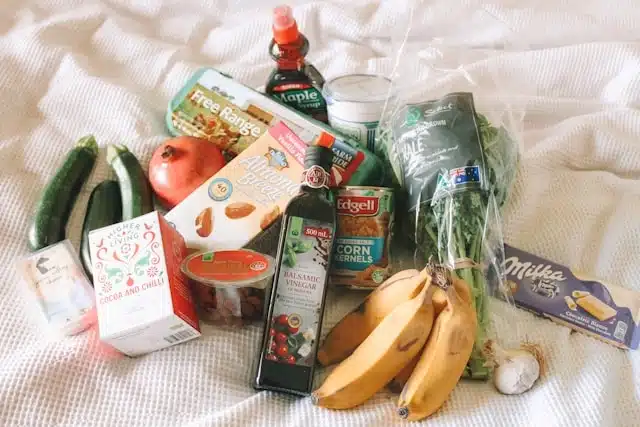
Instead of improvising meals daily, I started ordering food in batches.
Not excessive, just enough to cover a few days at a time. Meat, vegetables, pantry basics. Delivered.
And this is where New Zealand gets quietly impressive.
The quality held. Not in a marketing way, in a practical way. Meat arrived fresh, portioned in a way that made sense. Nothing looked like it had been sitting around waiting to be sold.
I ended up using Paddock to Pantry – P2P grocery and meat boxes for a couple of those orders, which made the whole thing feel less like a workaround and more like a system.
Their combined boxes are built around direct supply and minimal waste, so you’re not over-ordering or guessing quantities. You can see how that works here:
It sounds simple, but it removes a lot of friction. You’re not wandering aisles deciding what you might need. You’re getting what you will actually use.
After a couple of orders, it stops feeling like a convenience and starts feeling like the default.
The Quiet System Behind It
New Zealand’s economy leans heavily on agriculture, but you don’t notice that in a textbook way. You notice it in how food behaves.
It moves quickly. It’s consistent. It’s portioned with some logic behind it.
There’s also a noticeable push toward reducing waste. Not in a loud, visible campaign, but in how things are packaged and delivered. Less excess, more alignment between what’s supplied and what’s actually needed.
Online ordering fits into that cleanly. It reduces overstock, shortens the time between source and kitchen, and makes it easier to plan without overbuying.
You end up wasting less without trying to.
Source: Unsplash.
Cooking Becomes Less of a Project and More of a Loop
You stop thinking in recipes and start thinking in combinations. A piece of meat, something green, something that cooks quickly. That’s usually enough.
The ingredients carry the workload. You’re not compensating for quality with technique.
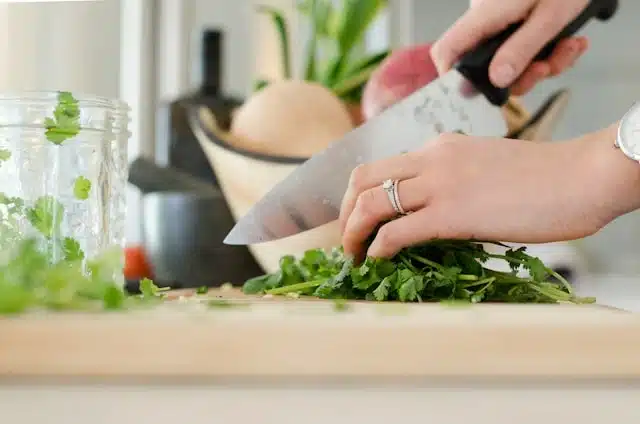
And because the kitchen is yours, even temporarily, everything stays where you left it. The knife is still sharp because you’re the only one using it. The pan heats evenly because no one has abused it.
That consistency matters more than expected. Cooking becomes repeatable, not experimental.
Storage Teaches You to Be Reasonable
The kitchen wasn’t large, and that turned out to be useful.
There’s enough space, but not enough to overdo it. You can’t stockpile food for weeks, so you don’t try. You buy what fits, what you’ll use, what won’t sit there pretending to be useful.
The fridge becomes a short-term system, not a storage unit. Everything in it has a purpose within the next few days.
And because of that, nothing gets lost. It’s a quiet constraint, but it shapes how you shop and cook without forcing it.
Eating Out Starts to Feel Optional
Source: Unsplash.
New Zealand has a strong café culture, and it’s easy to default to it.
But once you have a kitchen, eating out changes position. It’s no longer the main option, it’s the alternative.
You still go out, but less often. Not because you’re trying to save money, but because you don’t need to rely on it.
Meals at home become faster, more predictable, and oddly more satisfying simply because they fit into your day without adjustment.
Cleaning Is the Part No One Mentions
A kitchen only works if you maintain it.
And in a small, efficient space, that becomes obvious quickly. Leave things for too long, and the system breaks down.
But here’s the thing. In New Zealand apartments, cleaning feels built into the design. Surfaces are easy to wipe, sinks are practical, nothing fights you.
So it doesn’t turn into a chore. It becomes part of the loop. Cook, eat, clean, reset.
Then repeat.
Source: Unsplash.
The Subtle Shift in How You See the Country
After a few weeks, something changes.
You stop seeing New Zealand as a place you move through and start seeing it as a place that functions.
You notice how food gets from source to shelf to kitchen without unnecessary steps. You see how systems are built to reduce waste without making it a big deal.
And you realize that a lot of what feels “easy” is actually structured that way on purpose.
Why the Kitchen Matters More Than It Should
It’s easy to underestimate something as simple as having your own kitchen.
But in this case, it was the difference between observing and participating.
Between eating what’s available and understanding what’s actually there. It doesn’t make the experience more dramatic. It makes it more real. And after a few weeks, that’s what stays with you.
Not the meals themselves, but the way everything around them worked without needing to be complicated.
Conclusion
Source: Unsplash.
Having a kitchen in New Zealand does something that most travel experiences don't. It slows things down just enough to let the place make sense.
You stop moving through it and start living in it, even briefly. That changes what you notice and what you take away.
The food quality, the delivery systems, the way waste is quietly minimized — none of it is accidental. It's a country that functions with more intention than it advertises.
And a kitchen is where you actually see that up close.
If you're planning a longer stay, it's worth building your accommodation around one. The difference between passing through and genuinely experiencing New Zealand is often that simple.
Disclaimer:
This post may contain affiliate links. I receive a small commission at no cost to you when you make a purchase using my link.