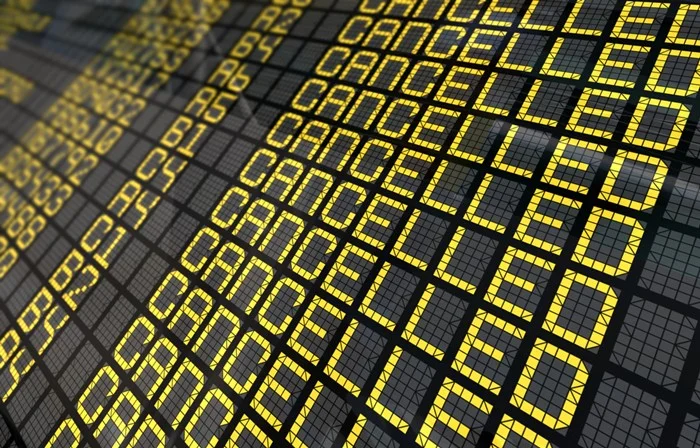
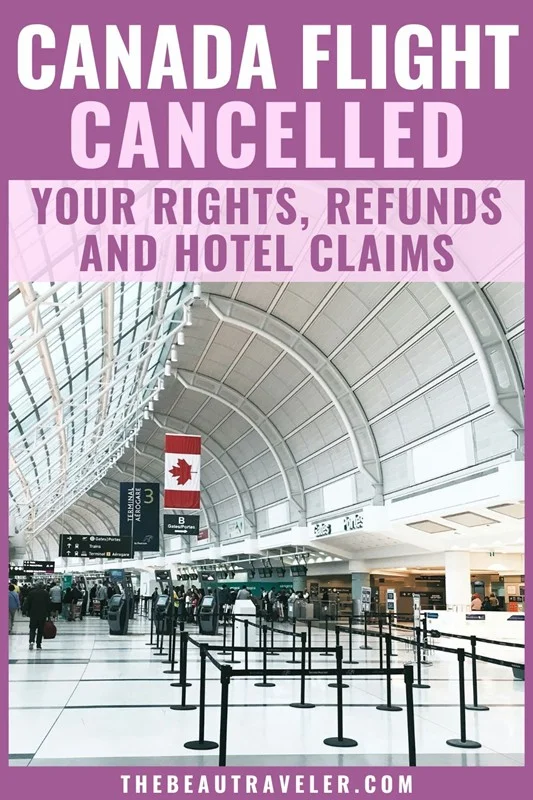
A flight cancelled in Canada usually comes with the same scene: a frozen departure board, a queue at the desk, and very few answers.
What happens next depends less on the airline or the route than on the clock, because hours, not kilometers, decide what you're owed.
Canada's Air Passenger Rights rules can put anywhere from $0 to $1,000 in your pocket, and the difference often comes down to one line in the airline's explanation.
Meals, hotels and a seat on another carrier work the same way, which is why so many travelers end up paying for things the airline should have covered.
Below are the first 48 hours at the airport, the booking choices that make a delay cost less before you ever leave home, and how to file a claim afterwards without losing it. None of it needs a lawyer, just the right questions asked in the right order.
Canada Flight Cancelled: Your Rights, Refunds and Hotel Claims
Source: Depositphotos.
The first 48 hours: what the rules actually say
Canada's Air Passenger Rights regime splits the world into three buckets, and the bucket is not the airline's mood.
A flight cancelled or delayed for something within the carrier's control pays $400 for a large airline on a delay of three to six hours, $700 past six, and $1,000 past nine.
A safety-related cancellation pays zero, and this is where most people I speak to have it backwards: they assume a mechanical fault is the airline's problem, but Transport Canada classes it as a safety issue.
Weather pays nothing. So the number that lands in your account can swing from $0 to $1,000 depending on one sentence in the airline's own explanation.
Ask for that explanation in writing. Not verbally at the desk, where you will get a shrug, but by email or through the airline's online claim form, which starts a clock the airline has 30 days to answer.
If the trip has collapsed entirely and you need a way out today, I usually open Kupi.com's flights from Toronto page as a sanity check on what is still moving, though for a domestic Canadian mess the real inventory sits with the carriers themselves.
A flight delay past two hours on a large airline obliges it to give you food and a means of communication. Past eight hours, a hotel and transport to it. Keep every receipt.
I have had clients reimbursed for a $340 airport hotel and a $60 taxi, and I have had others refused because they bought the hotel before asking the airline to provide one.
Source: Depositphotos.
The weeks before: booking so the delay costs less
Timing your purchase changes what you can recover. A Tuesday afternoon departure in February, outside March break and outside the December 20 to January 3 crush, cancels less and rebooks faster, simply because there are empty seats to move you into.
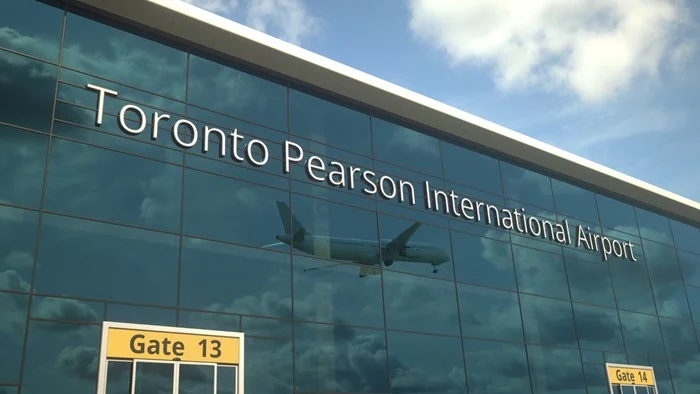
Connecting through a hub like Toronto Pearson on a Friday evening in summer is the single most expensive scheduling mistake I see.
Source: Depositphotos.
Avoid the last departure of the day. A cancellation leaves you overnight with nothing flying until morning.
Book the first flight out. Aircraft and crews are already there, and the day's delays have not yet compounded.
Leave 3 hours between connections on separate tickets, more in winter.
Pay with a card that carries trip interruption cover, which is worth having on flights departing Toronto. Mine has paid out twice on claims the airline refused.
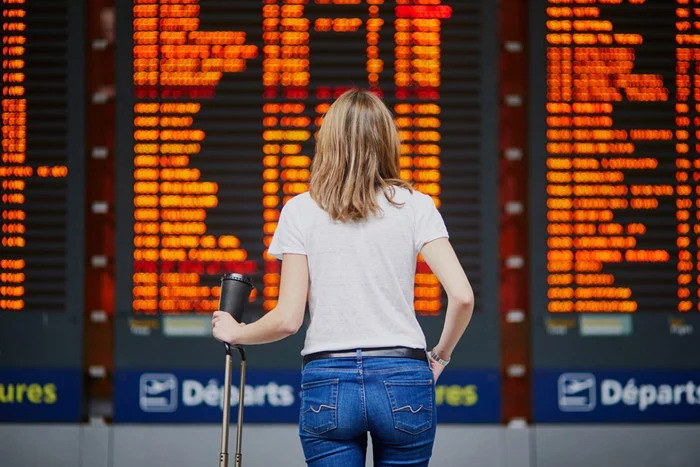
Photograph the departure board. Timestamped evidence settles half of these disputes.
Source: Depositphotos.
Non-refundable is not the same as unrecoverable, incidentally. Under the APPR, a cancellation within the airline's control entitles you to a refund or a rebooking on any carrier, including a competitor, if the original cannot get you there within a reasonable window.
The 72 hours after: filing without losing the claim
Source: Depositphotos.
File within 24 hours, while the disruption is still logged. The airline has 30 days to respond and must pay within 30 days of a favorable decision.
Complaints that stall go to the Canadian Transportation Agency, which currently carries a backlog measured in tens of thousands of cases, so treat it as a last resort rather than a fast one.
Which explains why I tell clients to check the cause code before they check the schedule: $1,000 and a $0 both start with the same cancelled flight.
Conclusion
Source: Depositphotos.
A cancelled flight in Canada doesn't have to become a lost week or a lost $1,000. The rules favor travelers who stay calm, keep the paper trail and know which question to ask first.
That question is always about the cause. A disruption within the airline's control can pay up to $1,000, while safety and weather reasons pay nothing, so get the explanation in writing before anything else.
At the airport, let the clock guide you: food and a way to communicate after two hours, and a hotel if you're stuck overnight. Ask the airline to provide these first, and keep every receipt if you end up paying yourself.
Before you book, choose the first departure of the day, leave generous connection times and pay with a card that includes trip interruption cover. After the trip, file quickly, give the airline its 30 days, and go to the Canadian Transportation Agency only once every other option is used up.
Save this guide to your phone or share it with whoever you're traveling with next, so it's ready before you reach the gate. The best time to know your rights is before the departure board turns red.
Disclaimer:
This post may contain affiliate links. I receive a small commission at no cost to you when you make a purchase using my link.