New York City is a city of contrasts—iconic skylines and cramped apartments, endless opportunity and overwhelming logistics, all rolled into one. Every borough has its own identity, and figuring out where you fit in is just the beginning.
Relocation to NYC tends to come with more moving parts than people expect: budgets, building rules, moving windows, and a whole new daily rhythm to adjust to. Skip the planning, and you'll likely feel it on moving day.
The good news? Most of the stress is avoidable with the right prep. From picking a neighborhood that actually fits your lifestyle to understanding what your building expects of you, a little foresight goes a long way.
Here's what you need to know before you start packing—because the smoothest moves are the ones nobody even notices happened.
New York City Mover Checklist: Everything You Need Before You Relocate to the Big Apple
Source: Depositphotos.
1. Research NYC Neighborhoods Beyond First Impressions
New York City isn’t one place—it’s a collection of very different communities. Living in Manhattan feels completely different from living in Queens, Brooklyn, the Bronx, or Staten Island.
Before committing to a location, think beyond rental prices and popular recommendations. Consider commute times, access to public transportation, grocery options, nearby parks, and the overall lifestyle you want.
If possible, spend time exploring neighborhoods at different times of day. A location that feels ideal during a weekend afternoon may look very different during weekday rush hours.
Source: Unsplash.
2. Build a Realistic Moving Budget
Many people underestimate relocation costs when moving long distances. And frankly, it's an easy mistake to make. Many quotes offered by long-distance movers are not binding. They leave room for additional expenses.
So, besides rent and deposits, your budget may end up including the costs for:
Packing materials
Storage fees
Utility setup costs
Temporary accommodation
Transportation expenses
Furniture replacement or upgrades
Moving insurance
That’s a lot of expenses. So, having a detailed budget is a requirement, as it gives you a better understanding of your total relocation costs and reduces financial stress once you arrive.
If you do the move without planning your budget, you will face a lot of problems.
Source: Depositphotos.
3. Choose a Moving Company That Understands NYC Logistics
New York presents challenges that don’t exist in many other cities.
As one of the largest cities in the US, NYC poses problems like limited parking, narrow streets, building regulations, elevator reservations, and strict moving windows. These can quickly complicate moving day.
That’s why you need to choose a moving company that understands NYC’s unique challenges. If you are moving from a different city or state, then you need to research long distance movers for NYC, too.
Experienced moving companies can make a world of difference. They are familiar with city requirements such as moving windows, parking permits, and optimal routes, so they can finish the move more efficiently.
When selecting a long-distance mover, you should check customer reviews, insurance coverage, communication practices, and licensing details. Don’t just pick based on price.
Only pick a company if they satisfy you with its accolades.
Source: Unsplash.
4. Declutter Before Packing for The Move
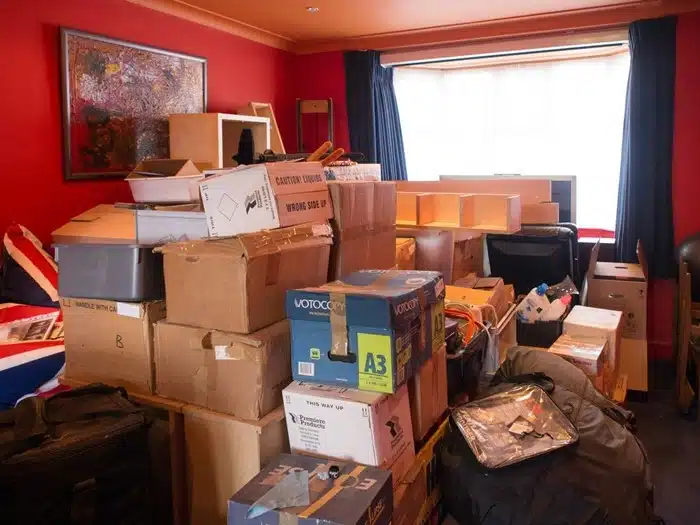
Moving to NYC (well, moving in general) is a great time to declutter. You get to reevaluate your belongings and check what you want to bring to NYC and what you can leave behind.
So, why is decluttering so important? Well, NYC apartments often offer less space than homes in other cities. That’s because NYC is just too big and too crowded.
So moving unnecessary items can increase costs and create storage challenges after the move. So decluttering is great for your move. And as a bonus, you will have to pay less for the move due to lighter luggage.
Here’s how you can declutter. Sort your belongings into the following categories:
Keep
Donate
Sell
Recycle
Discard
Reducing volume in this way will help you out a ton. It will make your move simpler, unpacking easier, and you will be able to set up your new home faster.
Source: Unsplash.
5. Understand Building Rules Ahead of Time
One detail that catches many movers off guard is the building policy. NYC apartments have strict rules regarding moves.
Many apartment buildings in New York require specifics like:
Move-in reservations. You have to reserve the date and time of your move. You often get a short window (a few hours long).
Certificates of insurance (COI)
Elevator bookings. You only get access to elevators during the move if you book them first. These are often part of the move-in reservations.
To ensure you don’t run into problems regarding these, you must reach out to the building management (where you are about to move) in advance and book your reservation window.
The reservation window has to be coordinated with your moving company as well. Coordinating these details early helps avoid delays and unexpected fees.
Source: Unsplash.
6. Prepare for Daily Life Adjustments
Moving to NYC is a major lifestyle change. So you should expect your daily life to change dramatically. You will have to adapt to new routines, new places, and new people.
So, preparing for them mentally can help you a lot. Here’s what you should expect to change.
Grocery shopping habits. Your closest supermarket or grocery store is going to affect these.
Whether you commute in your own vehicle or use NYC’s subway network, you will have to memorize new routes to get to your destination.
Delivery schedules. Things in NYC can take much longer to get delivered than in other cities. So you will have to temper your expectations.
Storage availability. Smaller apartments mean you won’t have much space for storage. So renting storage spaces or repurposing rooms must be considered.
Planning for these adjustments helps make the first few weeks feel more manageable. It also helps you to avoid the anxiety and frustration associated with moving to a new place.
Source: Unsplash.
7. Keep Important Documents Easily Accessible
During relocation, avoid packing essential documents into moving boxes. It's not uncommon for boxes to go missing between transportation. So keep everything essential on your person.
For example, items like identification, lease agreements, medical records, financial information, and moving contracts should be put in a dedicated folder that's on your person. You should also create digital backups of these on your phone, laptop, or the cloud.
You never know when you might need the paperwork, so having it on hand is better for your mental well-being.
Final Thoughts
Source: Depositphotos.
Relocation to New York City will always come with some chaos—that's just the nature of moving to a city this big and this fast-paced. But chaos doesn't have to mean crisis.
The difference between a stressful move and a manageable one usually comes down to preparation. Knowing your neighborhood, budgeting realistically, and understanding building rules ahead of time can save you from most of the headaches people run into.
Add in a mover who actually knows the city, a decluttered set of belongings, and your essential documents kept close, and you've already covered the things that trip most people up.
It won't be perfectly smooth—few moves to NYC ever are. But it can be a lot smoother than you'd expect, especially with the right groundwork laid out in advance.
If you found this guide helpful, save it for later or share it with someone else gearing up for their own move to the city.
Disclaimer:
This post may contain affiliate links. I receive a small commission at no cost to you when you make a purchase using my link.