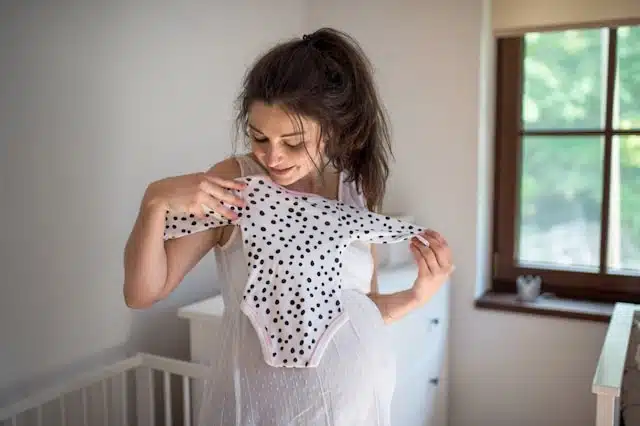
A lot changes after a baby arrives. Parents brace for sleepless nights, mountains of laundry, and an endless feeding schedule. What catches most families off guard is the sheer amount of stuff that comes with it.
A corner of the living room slowly turns into a baby gear graveyard. Many parents end up standing in front of overflowing closets, wondering why they bought half of it in the first place.
That's exactly why more families are turning to sustainable babywear instead of stacking up short-term gear. It's a simpler way to carry your baby through daily life, and we're breaking down why so many parents are making the switch.
Tips for Sustainable Parenting: Smart Babywearing Choices
Source: Unsplash.
A Different Approach to Parenting Purchases
New parents receive advice from every direction. Friends recommend baby-friendly products. Family members share personal favorites. Social media introduces an unlimited number of must have things. New goods are discussed in parenting forums virtually every day.
Sorting through all that information can be exhausting. Many parents eventually learn an important lesson. A thing does not have to be trendy to be functional. Sometimes the most valuable purchases are those that are used repeatedly over months rather than weeks. This way of thinking still influences current purchasing behavior.
Instead of purchasing ten different solutions, many families prefer investing in products with long-term value. They want fewer items occupying their homes. They want purchases that serve a genuine purpose.
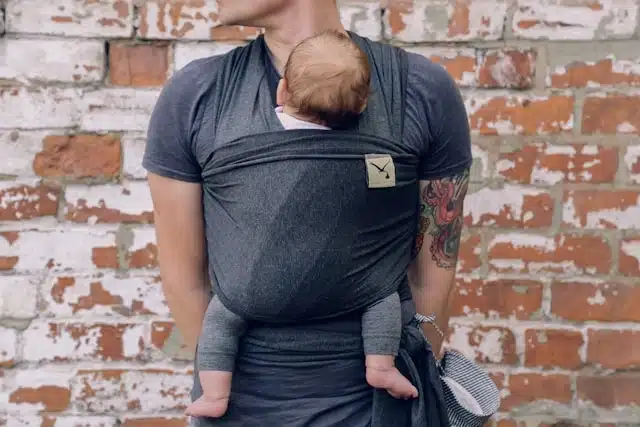
Babywearing fits naturally into this mindset. A quality carrier can support daily life across multiple stages of infancy.
Parents use it during walks. They use it while traveling. They use it during errands. Many continue using the same carrier long after other baby products have disappeared from their homes. This longevity appeals to environmentally conscious families.
Source: Unsplash.
Why Minimalist Parents Appreciate Babywearing
Minimalism means different things to different people. Some families embrace it to save money. Others enjoy having less clutter. Many simply prefer living with fewer possessions.
Children do not change that preference. In fact, many parents become more interested in minimalism after realizing how quickly baby gear accumulates. One purchase leads to another. Before long, spare space becomes difficult to find.
Babywearing provides a practical option. A well-designed infant carrier can lessen reliance on many pieces of equipment during daily activities. Parents may still possess strollers and other items. Many people find themselves reaching for their carrier far more frequently than they imagined.
Several everyday situations highlight this advantage:
These activities require less preparation when parents have a simple solution available. Less equipment also means less storage pressure inside the home. Many families appreciate that benefit more than expected.
Source: Unsplash.
Parents Are Looking Beyond Convenience
Convenience still matters. Today's parents, however, ask different questions before purchasing baby products.
Questions frequently include:
What materials were used?
How long will this product last?
Can another family use it later?
Is the company transparent about production?
Does the product support long-term use?
These questions show the surge in environmentally conscious parenting. Environmental considerations impact purchase decisions in a variety of businesses.
Parenting products are not an exception. Families are increasingly seeking goods that align with greater sustainability concerns.
Source: Unsplash.
Babywearing firms have responded to the need. Many manufacturers are now emphasizing:
organic cotton
recyclable materials
responsible sourcing
low-impact manufacturing processes
Transparency has become a crucial selling point. Parents enjoy knowing where their things come from and how they are made.
Trust influences purchasing decisions more than flashy marketing campaigns.
The Hidden Waste Problem Many Families Notice
Source: Unsplash.
Baby products serve important purposes. Nobody questions that. Many products also have very short lifespans.
A newborn lounger may only be useful for a limited period. Certain equipment works well for a few months before becoming unnecessary. Some products are barely used before children outgrow them.
Parents notice this pattern quickly. One family may spend hundreds of dollars on products that remain useful for only a fraction of the first year. Another family may discover that several purchases never matched their lifestyle in the first place.
Waste enters the conversation at this point. Many parents are trying to avoid unnecessary consumption. They want products that support daily life without contributing to growing piles of discarded equipment.
Sustainable babywearing addresses this concern in a practical way. A high-quality carrier can stay useful through different developmental stages. Some families use the same carrier with younger siblings.
Others pass it to relatives or friends. The product continues serving a purpose rather than ending up forgotten inside storage boxes.
An interesting shift has taken place within parenting communities. Second-hand babywearing has become increasingly popular.
Several years ago, many parents favored buying new items. Today, attitudes have evolved dramatically. Families realize the value of extending a product's lifecycle through resale and reuse.
Dedicated online communities support this trend. Parents buy pre-owned carriers. They sell carriers their children have outgrown. Some exchange recommendations about trusted brands and materials. This approach has many practical advantages.
Benefits commonly include:
Lower purchasing costs.
Reduced waste.
Longer product lifecycles.
Greater access to premium products.
Less environmental impact.
A well-maintained carrier may support multiple families over several years. Many parents view this as a smarter use of resources.
Travel Has Influenced Modern Baby Carrier Trends
Source: Unsplash.
Travel habits have also shaped recent baby carrier trends.
Parents increasingly value flexibility. Large strollers serve important purposes during many outings. Certain situations make compact solutions more appealing.
Airports provide a good example. Managing luggage, tickets, passports, and a baby at the same time presents obvious challenges. A carrier can simplify those moments considerably.
City travel offers another example. Narrow sidewalks, crowded public transportation, and busy tourist destinations can make larger equipment difficult to manage.
Families appreciate having options. Many parents discover that a carrier accompanies them far more frequently than expected. What begins as a purchase for newborn walks eventually becomes a trusted travel companion. Products that receive regular use naturally provide greater long-term value.
Choosing Sustainability Without Sacrificing Practicality
Environmental sustainability does not necessitate significant lifestyle adjustments. Small decisions can have a significant impact over time. Parents seeking a more sustainable approach can concentrate on simple considerations:
Select products with longer usability.
Research material sourcing.
Explore second-hand options.
Prioritize quality over quantity.
Support transparent brands.
Consider future resale value.
These choices promote sustainability while simplifying daily life. Many families choose practical answers over unreasonable expectations. Babywearing fits quite nicely with that mindset.
Conclusion
Source: Unsplash.
Parenting trends come and go, but some stick around because they actually solve a problem. Sustainable babywear falls into that second category, giving families a practical way to cut down on clutter without sacrificing convenience.
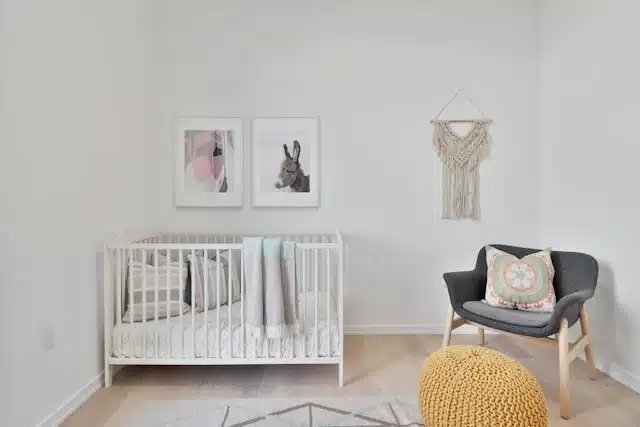
Fewer items piling up means less pressure on your closets, your wallet, and yes, your baby room too. A good carrier does double duty as both a daily essential and a way to keep unnecessary gear out of the house.
Parents today are buying with more intention than past generations did. They're skipping the marketing hype and focusing on what actually works in real life.
That shift toward less waste and more value is exactly why this movement isn't slowing down anytime soon. The families who lean into it now are simply ahead of the curve.
Disclaimer:
This post may contain affiliate links. I receive a small commission at no cost to you when you make a purchase using my link.