Vacation plans can unravel in seconds when an accident strikes far from home. A twisted ankle on a hiking trail or a car crash on unfamiliar roads instantly turns excitement into crisis.
Suffering a travel injury abroad brings a unique set of legal and financial challenges most people never prepare for. Unfamiliar laws, foreign insurance systems, and language barriers complicate even simple claims.
This guide breaks down what actually happens after an accident—from medical coverage gaps to evidence collection to strict filing deadlines. Real statistics and practical steps replace the guesswork travelers usually face.
Knowing your rights before disaster strikes changes everything. Keep reading to protect your health, your finances, and your peace of mind on every trip.
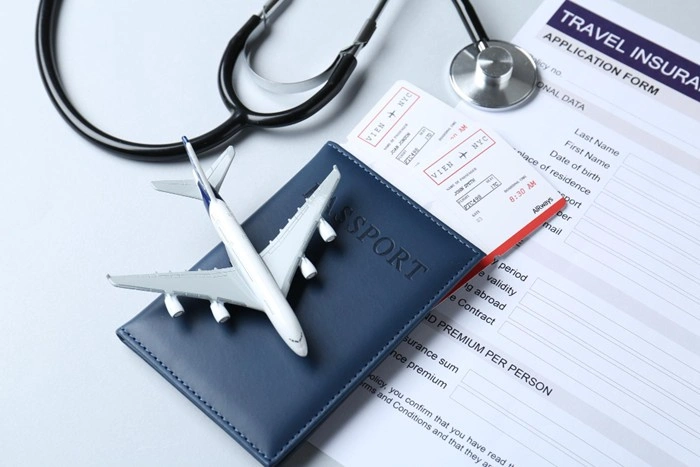
Why Travel Insurance for Injury Matters More Than You Think
Source: Magnific.
Understanding Medical Coverage Across Borders
Medical care during foreign trips presents unique financial hazards for unsuspecting travelers. Healthcare systems in other countries operate under vastly different payment rules than domestic facilities. Medical reports indicate between 28% and 82% of international travelers experience health issues abroad.
Trauma causes a significant portion of medical emergencies occurring overseas. Standard domestic health insurance plans rarely cover overseas emergency room visits or specialized medical transports. Out-of-pocket costs for emergency air evacuation often reach tens of thousands of dollars.
Travelers need to review policy terms at least 4 to 6 weeks before buying non-refundable trip packages. Supplemental travel medical coverage bridges gaps left by standard health policies. Proper coverage guarantees access to quality medical treatment without destroying personal savings.
Source: Magnific.
Navigating Foreign Traffic Accidents
Car crashes represent a major risk when exploring unfamiliar roads in foreign destinations. Victims often protect their financial recovery by using a personal injury attorney to manage complicated cross-border claims effectively. Local legal professionals understand regional liability rules and insurance requirements thoroughly.
Driving customs and traffic laws vary wildly across international borders, making fault determinations tricky. Rental car insurance agreements contain strict reporting deadlines that drivers must follow immediately. Failing to comply with rental contract terms invalidates liability protections.
Taking detailed photos of vehicle damage and collecting contact details from witnesses strengthens legal positions.
Official police reports serve as foundational evidence when seeking monetary reimbursement from third-party insurance carriers. Thorough evidence collection prevents insurance representatives from denying valid claims.
Source: Unsplash.
Addressing Risks In Domestic Transit
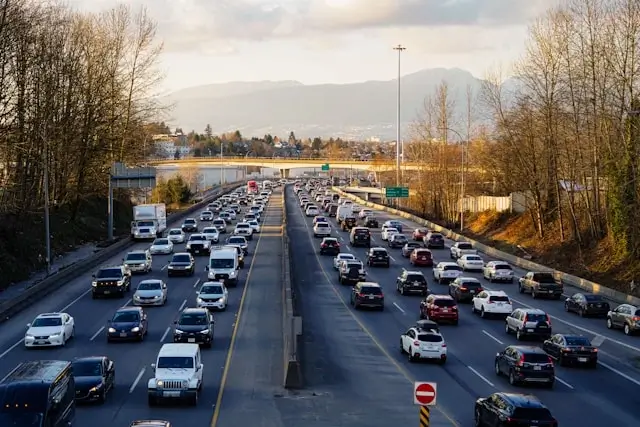
Travel safety remains a significant issue inside domestic borders. Federal traffic safety estimates projected 36,640 highway fatalities in 2025, reflecting 1.10 fatalities per 100 million miles traveled. High traffic volumes on interstate highways increase accident risks during major holiday seasons.
Passengers on commercial transit modes face unexpected hazards during busy travel periods. Bus collisions, commuter train mishaps, and rideshare crashes create complex liability questions regarding driver negligence. Injuries sustained on public transit involve strict legal notice requirements.
Federal agencies update national transportation statistics regularly to track safety trends across modes. Data monitoring helps safety officials identify recurring hazards on public roadways. Injured passengers must file formal administrative notices within shortened statutory windows.
Source: Unsplash
Identifying Common Vacation Hazards
Foreign travel hazards extend well beyond common slip and fall risks in hotels. Official safety statistics show motor vehicle crashes caused 26% of the 1,500 non-natural deaths among citizens abroad over a 3-year span. Roadway hazards remain the single largest threat to traveler safety worldwide.
Resort premises liability incidents cause severe injuries for unsuspecting vacationers every year. Hotel walkway spills, unsafe swimming pool decks, and poorly maintained recreational equipment lead to broken bones and head trauma. Property operators owe a basic duty of care to invited guests.
Safety risks vary across different travel environments:
Foreign road surfaces and unusual traffic flows increase crash risks.
Poor lighting and bad weather increase liability disputes.
Language barriers create extra challenges during emergency care.
Source: Unsplash
Managing Personal Risk Factors
Personal mindset influences how travelers evaluate safety decisions in unfamiliar places.
Researchers examine tourist psychological profiles to understand risk perception during trips. Individual personality traits alter how people react to obvious physical hazards.
Adventurous personality types tend to underestimate danger levels during high-risk excursions. Thrill-seeking behavior increases exposure to preventable injuries on vacation tours. Unregulated adventure tour companies frequently skip safety checks to maximize daily business profits.
Government advisories urge travelers to maintain situational awareness in crowded public venues. Constant situational awareness lowers the chances of getting involved in dangerous incidents abroad. Staying cautious prevents avoidable emergency room visits in distant locations.
Documenting Injuries and Preserving Claims
Source: Freepik.
Proper documentation forms the backbone of any successful personal injury claim. Immediate action after an accident prevents loss of crucial physical evidence. Taking action within minutes of an incident safeguards critical facts from fading.
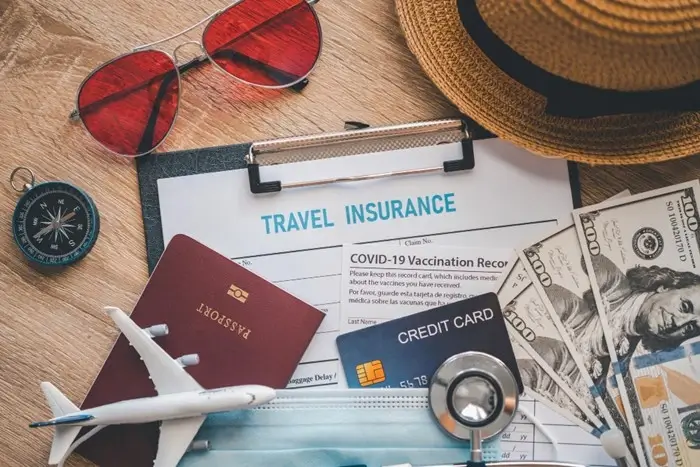
Victims must request written incident reports from resort managers, cruise directors, or venue operators. Retaining medical bills, pharmacy receipts, and flight change fees proves financial losses directly tied to injuries. Detailed financial records support full compensation demands during settlement negotiations.
Digital photos of hazardous conditions provide clear visual proof for claims adjusters. Eyewitness accounts gathered on scene offer unbiased support for disputed liability claims. Contact details from bystander witnesses stop insurance carriers from blaming victims.
Taking Action After Returning Home
Source: Depositphotos.
Returning home requires immediate focus on continuing medical treatment and legal claims. Following doctor orders and attending physical therapy sessions builds clear records of ongoing care. Consistent medical treatment proves injury severity to stubborn insurance adjusters.
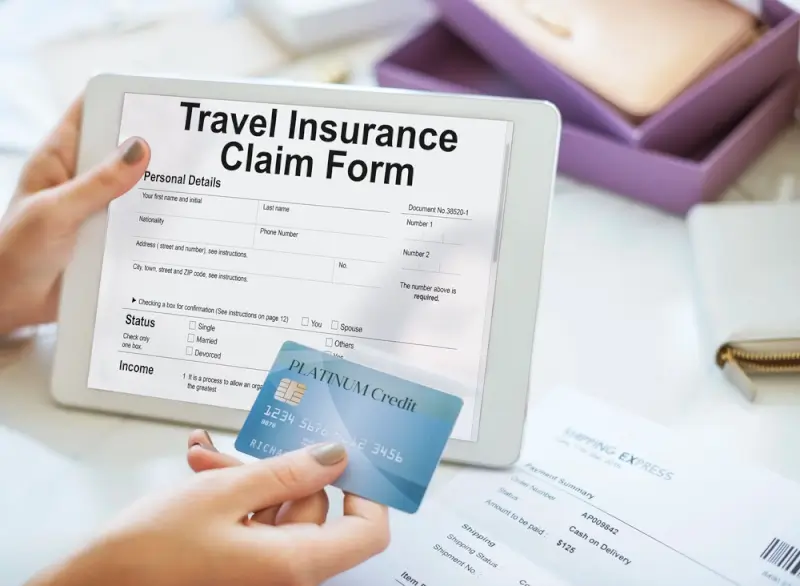
Strict statutes of limitations govern injury claims against international cruise lines or foreign vendors. Contract terms on passenger tickets often shorten filing deadlines to just 1 year. Failing to submit required legal paperwork within strict time frames forfeits rights to financial recovery.
Clear written communication with insurance representatives keeps claims moving forward smoothly. Prompt responses to documentation requests eliminate unnecessary delays in claim processing. Persistence helps victims receive fair settlements for medical bills and lost earnings.
Conclusion
Source: Canva
Accidents rarely announce themselves, but preparation still makes all the difference. Knowing your rights transforms a chaotic emergency into a manageable, structured recovery.
From foreign traffic laws to strict filing deadlines, every stage of the process rewards travelers who stay informed. Documentation, prompt medical care, and timely legal action all work together to protect your claim.
A travel injury overseas doesn't have to derail your finances or your health long-term. The right knowledge, paired with quick action, keeps you in control even when plans go sideways.
Safe travel starts with awareness — long before any accident happens. Understanding your options now means less stress and stronger protection later.
Save this guide before your next trip, or share it with a fellow traveler who could use the reminder.
Disclaimer:
This post may contain affiliate links. I receive a small commission at no cost to you when you make a purchase using my link.