At first, Iceland looks like a place where you can move from one guesthouse to another and call it a plan. Book a bed, follow the Ring Road, stop where it looks interesting. That works on paper.
In practice, it breaks down quickly.
Iceland is not structured around convenience in the way most travelers expect. Distances stretch longer than they appear on a map, weather interrupts movement without much warning, and the places worth seeing are often not aligned with where you can sleep.
That is where the idea of “just having a bed” starts to feel incomplete.
Why a Campervan in Iceland Matters More Than Just Having a Place to Sleep
Source: Unsplash.
The Reality of Distance and Time
The first adjustment is understanding how far everything actually is.
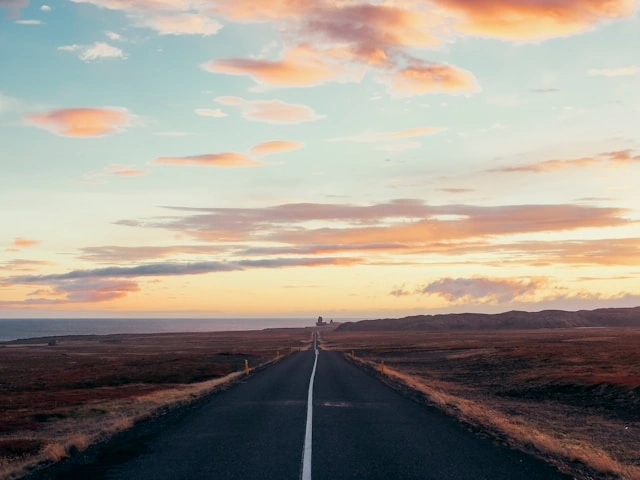
Driving in Iceland is not just about kilometers. Roads vary in condition, weather changes fast, and daylight hours shift dramatically depending on the season. A route that looks manageable can take much longer once you factor in stops, wind, or reduced visibility.
Take the southern coast as an example. Moving from Reykjavik toward Vik is roughly 115 miles. On a clear day, it is a straightforward drive. But once you start stopping at waterfalls like Seljalandsfoss or Skogafoss, that short stretch becomes a full day.
Now add weather.
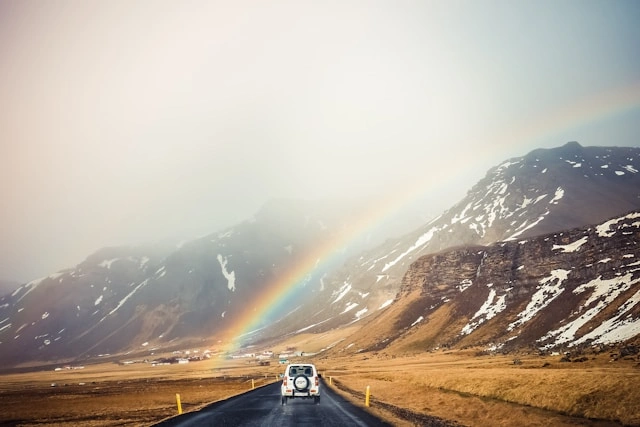
Wind speeds can pick up quickly, especially in open areas. Rain shifts to mist, then clears again. In winter, ice becomes a factor. Even in milder months, conditions are unpredictable enough that you do not plan tightly.
This is where fixed accommodation starts to limit you. If you have to reach a booked bed by a certain time, you either rush through stops or skip them entirely.
Neither option makes sense in a place like Iceland.
Why a Bed Alone Was Not Enough
Source: Unsplash.
The second realization came after a few days of trying to stick to booked accommodation.
You end up structuring your day around where you need to sleep, not around what you want to see. That means cutting visits short, avoiding detours, and constantly checking the time.
It works, but it feels inefficient. What Iceland requires is flexibility.
The Shift to a Campervan
That is where the change happened. Instead of relying on fixed stays, I switched to a campervan. It is not a luxury decision. It is a practical one.
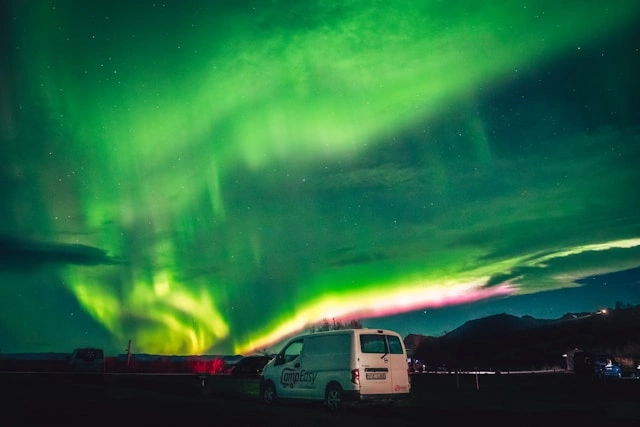
A campervan combines transport and accommodation into one system. You drive, you stop, you stay. No need to double back, no need to rush to check-in times.
It also allows you to follow conditions instead of fighting them. If the weather clears in one direction, you go that way. If a location takes longer than expected, you stay nearby instead of leaving early.
This setup is common for a reason. Iceland’s layout supports it.
If you look at the types of vehicles available locally, they are built around this idea of movement and access rather than comfort alone.
I ended up booking through Rent.is. The options range from compact vans to larger setups with built-in cooking and sleeping space, all focused on mobility rather than excess comfort., all designed for road-based travel.
Once you switch to this approach, the country opens up differently.
What Changes Day to Day
With a campervan, the day is no longer segmented by check-in and check-out times.
You wake up where you parked. You move when you are ready. Stops are dictated by interest, not schedule.
This matters in places where conditions shift quickly.
For example, if cloud cover lifts over a glacier area like Vatnajokull, you can adjust immediately and head there. If visibility drops, you wait it out instead of driving through poor conditions to reach a booking.
It also changes how you handle remote areas.
Regions like Eastfjords are less populated, with fewer accommodation options. With a campervan, that is not a constraint. You are not dependent on limited availability.
You become less reactive and more adaptive.
Infrastructure Supports Movement, Not Stays
Source: Unsplash.
Iceland’s infrastructure reflects this style of travel.
Fuel stations are spaced along main routes, often combined with small convenience stores. Campsites are widely available, especially during warmer months, and many include basic facilities like restrooms and cooking areas.
The system is designed to support people moving through the country rather than staying in one place.
This is also visible in how roads are structured. The Ring Road connects most major regions, but many of the more interesting locations require detours onto smaller roads.
Without flexible accommodation, those detours become harder to justify. With a campervan, they become part of the route.
Food and Supplies Require Planning
Source: Unsplash.
One thing that does not change is the need to plan supplies.
Iceland is expensive. Groceries cost more than in most mainland European countries, and restaurant meals add up quickly.
Having a mobile setup allows you to manage that better.
You can store basic food, cook simple meals, and avoid relying entirely on restaurants. Supermarkets in larger towns provide enough variety to keep things practical, but you still need to plan ahead, especially when heading into less populated areas.
This ties back to distance. If the next major town is hours away, you do not wait until you run out of something. You anticipate it.
Weather Is Not a Side Factor
Source: Unsplash.
In Iceland, weather is not background. It is a primary variable.
Wind, rain, and temperature shifts influence how you move and where you stop. Forecasts help, but they are not always precise at a local level.
With fixed accommodation, weather becomes a problem to work around.
With a campervan, it becomes something you adapt to.
You can wait out poor conditions, move toward better ones, or change your plan entirely without losing a booking.
This flexibility reduces unnecessary risk. You are less likely to drive in poor visibility or push through difficult conditions just to reach a destination.
Why This Approach Fits Iceland Specifically
Source: Unsplash.
Not every country requires this setup.
Iceland does because of its scale, layout, and variability.
Attractions are spread out. Conditions change quickly. Infrastructure supports movement more than fixed stays.
A bed in a hotel solves one problem, but it creates others. You gain a place to sleep, but you lose flexibility. A campervan solves both. It gives you a place to rest while keeping your options open.
Conclusion
Source: Unsplash
The expectation is simple. Book a place, move between locations, see what you can.
The reality is different. You need mobility, flexibility, and the ability to adjust without friction. That is why a bed alone is not enough in Iceland. You need something that moves with you.
Once you have that, the country becomes easier to navigate, not because it changes, but because you are finally set up to match how it works.
Disclaimer:
This post may contain affiliate links. I receive a small commission at no cost to you when you make a purchase using my link.