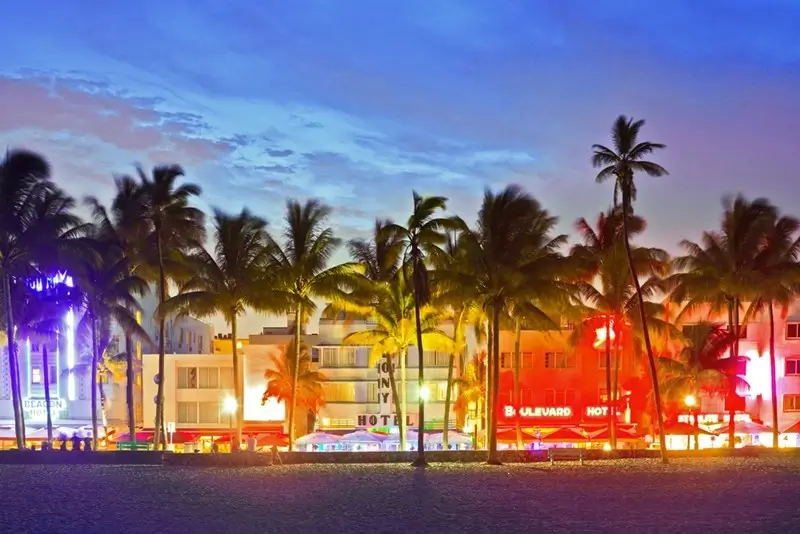
Miami is often associated with nightlife, beaches, and luxury living. However, beneath the surface is a growing movement rooted in conservation, education, and responsible travel.
Ecotourism in Miami is not a trend; it is a lifestyle choice embraced by residents, travelers, and local businesses that want to protect South Florida’s fragile ecosystems. From coastal mangroves and coral reefs to wetlands and pine forests, Miami offers a powerful connection to nature without leaving the city limits.
This guide is designed for travelers across the United States who want meaningful experiences that support the environment while still enjoying everything Miami has to offer.
You will find sustainable tours, wildlife-rich nature reserves, and environmentally conscious hotels that help protect the land and water that make South Florida so unique.
The Essential Guide to Sustainability Travel in Miami, FL
Source: Unsplash.
Why Eco-Tourism Matters in Miami
Miami sits at the edge of one of the most biologically diverse regions in North America.
The Everglades, Biscayne Bay, and Florida Keys ecosystems form a connected network that supports thousands of plant and animal species. These systems also protect the coastline from storms, clean the water, and provide food sources.
However, urban growth, rising sea levels, and pollution threaten this balance. Eco-tourism helps by:
Supporting conservation programs
Creating funding for wildlife protection
Educating visitors about fragile ecosystems
Encouraging sustainable travel habits
By choosing eco-friendly experiences, travelers help ensure Miami remains vibrant for future generations.
Sustainable Tours in Miami
Source: Depositphotos.
Kayaking Through Mangrove Forests
Mangrove forests act as natural storm barriers and fish nurseries.
Several Miami outfitters offer guided kayak tours through Oleta River State Park, Biscayne Bay, and Virginia Key. These silent, low-impact paddles allow travelers to move through narrow waterways where motorboats cannot go.
Guides explain how mangroves filter water, prevent erosion, and support marine life. It is common to see manatees, herons, stingrays, and juvenile fish while paddling.
Biscayne Bay Eco Boat Tours
Source: Depositphotos.
Electric or low-emission boats now operate in Biscayne Bay, reducing noise and fuel pollution.
These tours focus on coral reefs, sea grass beds, and marine habitats. Many include reef education sessions that explain how climate change affects ocean ecosystems.
Some companies allow guests to participate in coral restoration projects or shoreline cleanups as part of the experience.
Everglades Wildlife Walks and Airboat Alternatives
Source: Depositphotos.
Traditional airboats have been replaced by quieter, fuel-efficient models that reduce disturbance to wildlife.
Walking trails and pole boats offer another option for travelers who want to observe alligators, birds, and marshlands without loud engines.
These tours focus on conservation, teaching visitors about water management, native plants, and the role of the Everglades in South Florida’s survival.
Nature Reserves Near Miami
Source: Depositphotos.
Everglades National Park
Located just west of Miami, this vast wetland is home to alligators, panthers, and over 350 bird species. Boardwalks, cycling trails, and guided ranger programs provide a safe way to experience the ecosystem.
Biscayne National Park
Ninety-five percent of this park is underwater. Snorkeling and glass-bottom boat tours allow visitors to view coral reefs and shipwrecks without harming marine life.
Educational programs teach visitors about reef preservation and water quality.
Oleta River State Park
This urban nature escape features mangrove tunnels, biking trails, and kayaking routes. It is one of Florida’s most popular state parks and a strong example of conservation within city limits.
Fairchild Tropical Botanic Garden
Source: Depositphotos.
This botanical garden focuses on rare plant preservation and climate research. Walking paths wind through tropical forests and wetlands that showcase plant species from around the world.
Virginia Key North Point Park
A restored coastal habitat offering hiking, birdwatching, and kayaking. The park works with conservation groups to monitor shoreline health and marine wildlife.
Green Hotels and Eco-Friendly Stays
Source: Depositphotos.
Miami’s hotel industry is evolving to meet sustainability demands. Many hotels now:
Use solar energy
Recycle water for landscaping
Reduce plastic waste
Support local conservation projects
Travelers who use bidding platforms like bidmyroom can often compare eco-friendly properties side-by-side while securing competitive rates. This helps visitors choose sustainable accommodations without sacrificing comfort or budget.
Hotels in Brickell, Miami Beach, and Coconut Grove now participate in green certification programs that measure energy use, waste reduction, and water efficiency.
Many properties offer electric vehicle charging, reusable water stations, and organic dining options.
Responsible Travel Tips
Source: Depositphotos.
Use refillable water bottles
Choose tours with certified eco guides
Avoid wildlife feeding
Stay on marked trails
Support local conservation groups
Choose green transportation when possible
Even small actions help protect Miami’s natural spaces.
How Eco-Tourism Supports Local Communities
Sustainable tourism creates jobs, funds environmental programs, and strengthens community education. Many eco tours partner with schools, wildlife rescue centers, and nonprofit organizations.
Local fishermen, park rangers, and conservation scientists benefit when visitors choose responsible tourism options.
Planning an Eco-Friendly Miami Trip
Source: Depositphotos.
Eco-travel does not require luxury budgets.
By using platforms such as bidmyroom, travelers can secure affordable stays while selecting properties that support environmental programs. This approach allows visitors to invest more in nature tours and conservation experiences.
Public transportation, bike rentals, and electric rideshare services also reduce carbon footprints.
Frequently Asked Questions
What is eco-tourism?
Eco-tourism focuses on responsible travel that protects natural environments and benefits local communities.
Is Miami a good destination for eco-tourism?
Yes. Miami sits near the Everglades, Biscayne Bay, and multiple wildlife preserves.
Are eco tours safe for families?
Most tours are family-friendly and offer safety equipment and trained guides.
What wildlife can I see?
Manatees, dolphins, sea turtles, birds, alligators, and tropical fish.
Do eco hotels cost more?
Not always. Competitive platforms allow travelers to compare green hotel offers easily.
When is the best season for eco-tourism?
Winter and spring offer mild weather and active wildlife.?
How can travelers reduce environmental impact?
Choose sustainable tours, avoid plastic, and respect wildlife.
Can eco-tourism help fight climate change?
Yes. It funds conservation projects and raises awareness.
Conclusion
Source: Unsplash.
Miami is far more than beaches, nightlife, and romantic hot spots — ecotourism in Miami opens the door to one of the most biologically rich corners of North America. From mangrove paddling to coral reef restoration, the city offers meaningful experiences that connect travelers to nature in powerful ways.
Choosing sustainable tours and green accommodations does not mean sacrificing comfort or breaking your budget. It means your travel dollars actively protect the ecosystems, wildlife, and communities that make South Florida worth visiting.
Every responsible choice adds up — staying on marked trails, skipping single-use plastics, and selecting certified eco guides all reduce the pressure on fragile habitats. Small actions, taken by many visitors, create lasting change.
Miami's natural spaces — the Everglades, Biscayne Bay, the coastal mangroves — are not guaranteed. Supporting conservation-focused tourism helps ensure these ecosystems survive urban growth, pollution, and a shifting climate.
So, are you ready to experience Miami differently?
Disclaimer:
This post may contain affiliate links. I receive a small commission at no cost to you when you make a purchase using my link.