There's nothing quite as exciting as the lead-up to a road trip, but if a concealed carry permit is part of your travel plans, a little extra prep is in order.
Firearm laws can shift the moment you cross a state line, and knowing what to expect ahead of time can save you from unnecessary stress along the way.
The good news? Traveling with a concealed carry permit in the USA doesn't have to be complicated once you know where to look. A little research before you leave goes a long way toward helping you travel confidently and legally.
From reciprocity agreements to transportation rules and restricted locations, there's more to consider than most road trippers realize. This guide breaks down exactly what to check before you go, so nothing catches you off guard once you're on the road.
CCW Permit for Women in All States: Travel Smart, Stay Legal
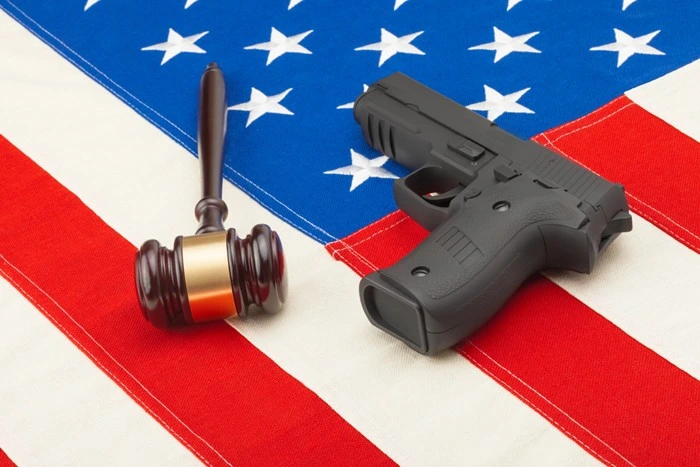
Source: Depositphotos.
Why State Lines Can Change Everything
The world of women's concealed carry has exploded in popularity over the past decade, with more and more women carrying in concealed carry purses and unique carry clothing every day. While this is a trend being seen across the U.S., every state has its own laws.
Every state is within its authority to create its own firearm laws, meaning that while your concealed carry permit may be perfectly valid at home, that doesn't automatically mean it's recognized where you plan on traveling.
Now, some states have broad reciprocity agreements, but others have stricter rules or don't recognize out-of-state permits at all.
Laws That Can Change From State to State
Source: Unsplash.
Even if two states honor the same permit, their laws may still differ. Before you leave, check things like:
Whether you're required to notify law enforcement during a traffic stop
It's easy to assume the rules stay the same throughout your trip, especially on a long road trip, but that's rarely the case.
What Is Concealed Carry Reciprocity?
Source: Unsplash.
If you're new to traveling with a concealed carry permit, you've probably come across the term reciprocity.
In simple terms, reciprocity means one state agrees to recognize a concealed carry permit issued by another state.
For example, your permit may be valid in one neighboring state but not the next one on your route.
Not Every Agreement Works Both Ways
Reciprocity isn't always mutual. One state may recognize your permit, while your home state doesn't.
Because these agreements can change, it's worth checking before every trip instead of relying on what you heard a few years ago.
Where to Find Current Reciprocity Information
The easiest way to prepare is by reviewing an up-to-date reciprocity map before leaving home. This state-by-state resource can show where your permit is recognized and help you identify any restrictions before your trip begins.
Planning a Multi-State Road Trip
Source: Unsplash.
When you're driving through several states, don't make the mistake of only focusing on your destination.
Think about every state you'll enter, even if you're only passing through for a few hours.
Before You Leave Home
Just a quick review can help you avoid surprises later.
Make sure you:
Confirm reciprocity for every state on your route.
Review transportation requirements.
Check for prohibited carry locations.
Save official state resources in case you need them during your trip.
If Your Plans Change
Road trips don't always go exactly as planned. Detours, weather, or unexpected overnight stops may send you somewhere you weren't expecting.
If your route changes significantly, it's worth taking a few minutes to check the laws in that state before continuing.
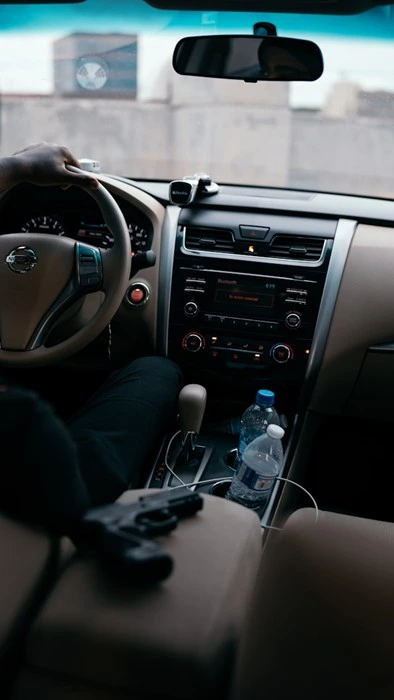
Traveling With Your Firearm in the Car
Source: Pexels.
Once you've laid out exactly where your permit is recognized, the next step is making sure you're transporting your firearm properly.
As always, requirements vary by state, but responsible storage should always be part of your travel routine regardless.
Good Habits While Driving
A few simple habits can make traveling much easier.
Keep your firearm stored according to the laws of the state you're in.
Carry your driver's license and concealed carry permit somewhere they're easy to reach.
Know the transportation requirements before entering another state.
Don't assume every hotel or campground has the same policies regarding firearms.
Being organized helps take some of the uncertainty out of traveling.
Flying with Firearms
Source: Unsplash.
Flying with a firearm involves a much different set of rules, but the process is fairly straightforward when you are prepared and know what to expect.
TSA Basics
Before heading to the airport, remember these basics:
Firearms must be unloaded.
They must be stored inside a locked, hard-sided case.
They must be declared during airline check-in.
Always review your airline's baggage policies before you travel.
Arriving a little earlier than normal can make the check-in process much smoother.
Places Where Carry May Still Be Restricted
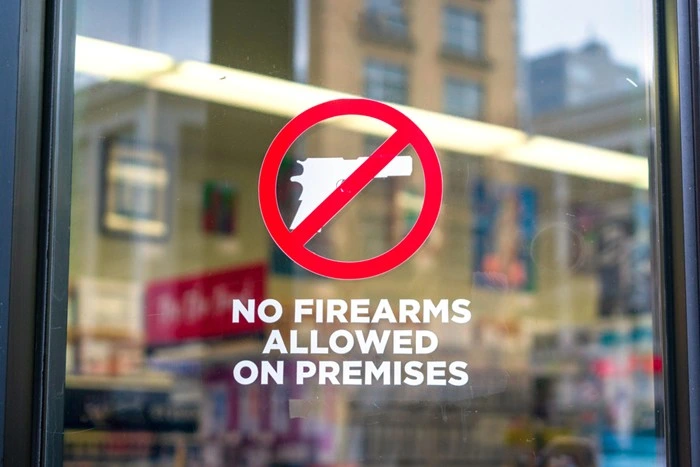
Source: Depositphotos.
Even if your permit is recognized, there are still places where carrying may not be allowed.
Some of the most common include:
Federal buildings
Schools and school property
Courthouses
Certain government facilities
Private businesses that prohibit firearms
If you're visiting museums, historic sites, or government-operated attractions, it's always a good idea to check their policies ahead of time.
Make Research Part of Your Travel Routine
Checking local laws doesn't have to take long, but it should become part of your normal travel planning.
Just like you research weather, road conditions, or visa requirements for an international trip, reviewing firearm laws before crossing state lines helps you avoid unexpected issues once you're on the road.
Laws can change, so it's best to verify current information every time you travel rather than relying on past experience.
Conclusion
Source: Pexels.
At the end of the day, traveling with a concealed carry permit comes down to one thing: knowing before you go. Laws can shift from state to state, and what's allowed at home may look completely different a few hours down the road.
Reciprocity agreements, transportation requirements, and restricted locations all play a part in keeping your trip smooth and stress-free. A few extra minutes of research before you leave can save you from major headaches later.
Whether you're driving through several states or flying to your destination, the same rule applies: check current laws every time, rather than relying on what you knew last trip. Regulations change, and staying informed keeps you covered.
A concealed carry permit can offer real peace of mind on the road, but that peace of mind starts with preparation. Treat it as part of your travel routine, right alongside checking the weather or mapping your route.
Disclaimer:
This post may contain affiliate links. I receive a small commission at no cost to you when you make a purchase using my link.