I started traveling solo in my twenties with a return ticket and a list, and somewhere around year four, the lists gave way to month-long stays. That shift, from ticking off cities to living in them, turned out to be the best training I ever got for international dating.
Buying vegetables in a language I did not speak and sitting alone in cafés without checking my phone later carried me through a long-distance relationship, a wedding, and the move I am in the middle of right now. None of it felt like preparation for love at the time.
This is my honest take on international dating for slow travelers, from a ten-day first meeting in a third country to what our first year together actually cost. I have left the boring parts in, because the boring parts are where cross-border couples either make it or quietly give up.
You will also find where slow travel did not help at all, and the small, dull fixes that kept us going across time zones. If a visa calendar has ever run your life, most of this will feel familiar.
6 International Dating Tips That Took Me From First Date to Marriage
Source: Unsplash.
Slow Travel Teaches Patience With a Deadline
Slow travel sounds like drifting. In practice, it runs on paperwork.
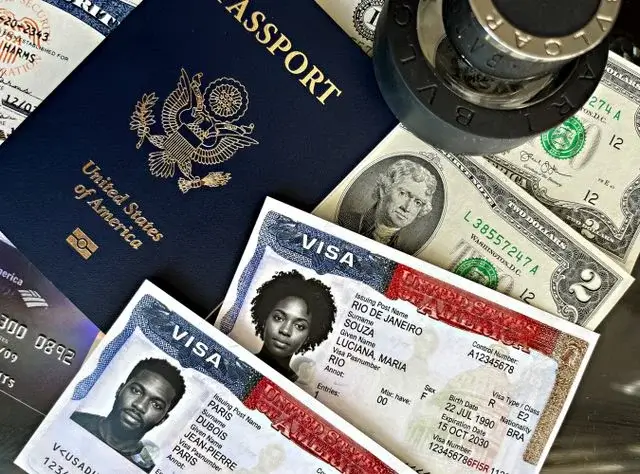
Schengen gives you 90 days in any 180-day period. Georgia lets citizens of more than 90 countries stay a full year without a visa. More than 50 countries now offer some version of a digital nomad visa, each with its own income requirements and processing times.
You learn to love a place while counting the days you are allowed to love it.
That combination, patience within a hard limit, describes a cross-border relationship almost exactly. You get three weeks together and then a flight, followed by six months to decide whether the paperwork is worth starting.
The travelers I know who handle this well are the ones who have already lived on visa calendars for years, so an expiry date on something they want does not make them panic. They plan around it.
Source: Pexels.
The Habits That Carried Over Into Dating Across Borders
What surprised me most was how little of the romance part required new skills. The transferable habits were all practical, and I had picked them up on buses and in laundromats long before I met my husband.
Give a new place, or a new person, a full second week before judging it.
Learn twenty words of the local language before you need them.
Ask about paperwork early; it is never rude, just early.
Keep a morning routine that does not depend on where you woke up.
Budget for the unglamorous expenses first, then the fun ones.
Source: Pexels.
The second-week rule saved my relationship more than once. Every place I have lived felt wrong for the first seven days: unfamiliar bread, buses that made no sense, and neighbors who stared.
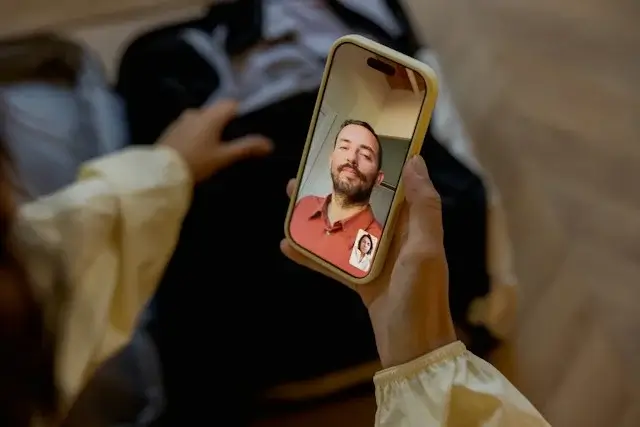
By day ten, I had a favorite bakery. Long-distance love has the same curve. The first video call after a visit is always flat and slightly sad, and a person who bails on day two of that flatness never finds out what day ten feels like.
Why a Third Country Makes the Best First Date
Source: Unsplash.
When people ask how we met, they expect a beach or a hostel. The truth involves an airport and a spreadsheet.
Once we had talked online long enough to know a meeting was worth the cost, we picked a city neither of us lived in, split the flights, and booked ten days. Neutral ground removed the host-and-guest dynamic that ruins so many first international meetings, where one person is showing off their home city and the other is a visitor being managed.
Slow travelers have an unfair advantage here. You already know how to land somewhere new, find groceries, and settle into a rhythm within 48 hours. That leaves you free to watch how the other person handles the trip.
Does he tip, ask before booking things in your name, and keep his temper when the train is late? Ten days in Lisbon or Kuala Lumpur will tell you more than six months of messaging, and it costs less than many people spend on a dating-app subscription over the same period.
Almost none of the advice written for those couples mentions money, which is odd, because money often determines whether the relationship survives its first year.
Here is roughly what that first year cost us, converted to US dollars so the figures are useful for readers anywhere.
Schengen short-stay visas at €90 each or a US K-1 fiancé visa petition
180–1,200
Documents
Certified translations, apostilles, and birth certificate copies
150–500
Third-country trip
Ten days in a mid-range hotel, with shared costs
1,500–3,000
Staying connected
eSIM data abroad; calls themselves are free on WhatsApp
240–480
Two things stand out from that table. The paperwork expense is small compared with flights, so couples who stall on documents may be stalling for another reason. And the totals are close to what a slow traveler spends in a typical year anyway.
I was already budgeting for flights and visas, and the relationship only changed where the flights went.
Where Slow Travel Did Not Help
Source: Pexels.
I want to be fair to people who think travel makes you good at everything. It does not.
Slow travel taught me to be comfortable as an outsider, while marriage requires the opposite: becoming an insider in someone else's family, holidays, and arguments.
Nobody in my husband's family cares how many countries I have lived in. They care whether I remember his aunt's name and show up for the things that matter to them.
Language was the other gap. Twenty words gets you through a market. It does not get you through a Sunday lunch where three conversations run at once and the funniest person at the table speaks the fastest.
I am still working on that, and the honest timeline for reaching a functional level in a new language while holding a job is two to three years, whatever the app says.
Time zones did their own damage. Jakarta sits five to six hours ahead of Central Europe, depending on the season, so one of us was always tired during calls.
We fixed it with a regular time slot: Saturday morning for him and Saturday afternoon for me, plus a rule that a missed call gets rescheduled the same day. Small, dull, and effective.
Moving Countries for a Person Changes the Math
Source: Pexels.
Every previous move I made was for a place: a city I liked, a visa I could get, or a cost of living that made sense. This one is for a person, and the difference shows up in odd ways.
Neither the neighborhood nor the climate was my choice. I will spend the first real winter of my life in a place that has snow, and I chose that by choosing him.
There is research on why cross-border couples often go the distance, and the short version matches what I saw in our first year: distance forces the conversations most couples postpone.
Money comes up in month two because flights cost money. Family comes up in month three because someone has to explain the visa to their mother. Where to live gets settled before the first anniversary because a border makes the question unavoidable.
Slow travel gave me the tolerance for that pace and the habit of reading a place before rejecting it. Marriage is asking me to read a person the same way, for longer than any visa would allow, with no return ticket in the drawer.
I have stayed in enough places to know the second week is coming. This time, I am staying for it.
Conclusion
Source: Pexels.
Looking back, international dating for slow travelers comes down to habits you probably already have.
Patience with visa calendars, a second-week rule for new places, and a budget that covers the unglamorous costs first all carry over better than you might expect.
The gaps are real, too. Being comfortable as an outsider will not make you an insider in someone’s family, and twenty words of a language will not get you through a Sunday lunch.
What made the difference for us was treating logistics as part of the romance rather than a chore around it. Meeting on neutral ground, splitting the costs, and keeping a regular call slot did more for our relationship than any grand gesture.
If you are somewhere between the first video call and the first visa form, give it the same full second week you would give a new city. Most of what feels wrong early on is just unfamiliar.
If this resonated, save the cost breakdown for your own first-year budget and share this post with a friend who is dating across a border. For more on living abroad at a slower pace, browse the rest of our slow travel guides on the blog.
Disclaimer:
This post may contain affiliate links. I receive a small commission at no cost to you when you make a purchase using my link.