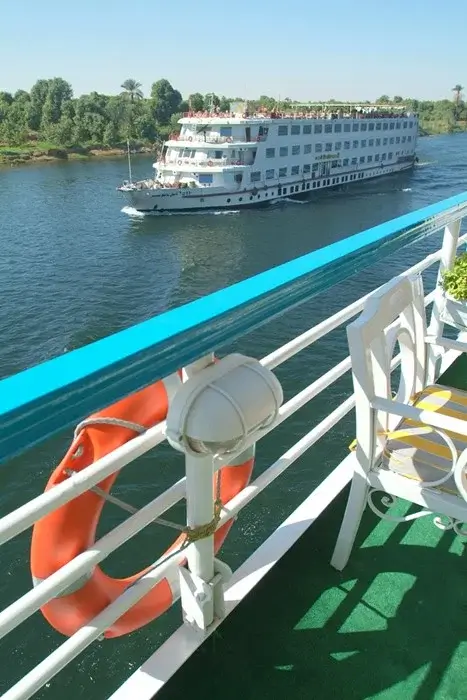
Few experiences in Egypt compare to watching temples, palm groves, and riverside villages drift past from the deck of a boat on the Nile. A cruise between Luxor and Aswan links some of the country’s greatest ancient sites, from Karnak to the Valley of the Kings, while your hotel quietly travels with you.
Choosing the right boat, however, is harder than it looks. Luxury Nile Cruises is a label that covers a wide range of boats.
Two boats with the same star rating can feel completely different once you’re on board, depending on your cabin, your Egypt tour group, and how each day is scheduled. This Nile river cruise guide breaks down what actually shapes your comfort on the river, from cabin position and dining to guides and excursion timing.
You’ll also find tips on comparing real value rather than nightly price, plus a short checklist of questions to ask before you book. By the end, you’ll know exactly what to look for, and what to avoid, when choosing your boat.
Best Nile River Cruises in Egypt is a common search phrase, and the results tend to mix several kinds of vessels together.
Before comparing individual boats, it helps to know that the size of the vessel shapes the experience more than most listings suggest.
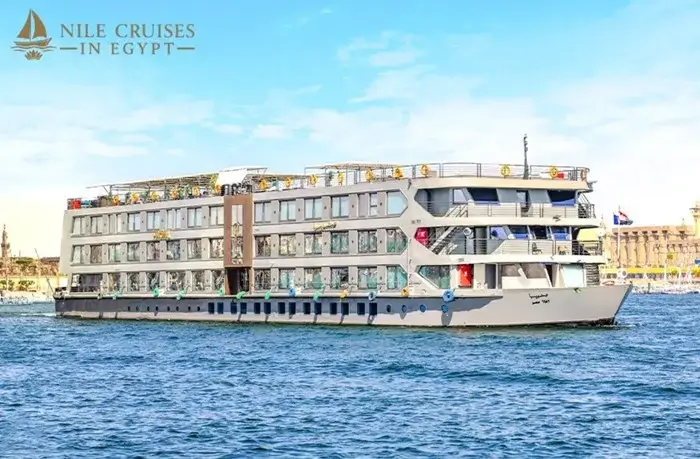
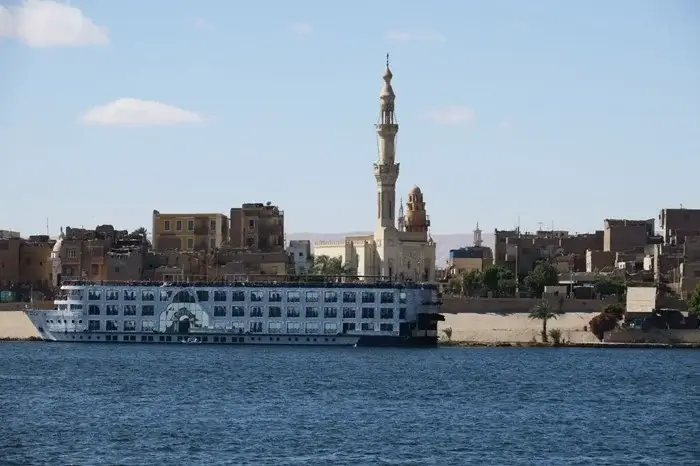
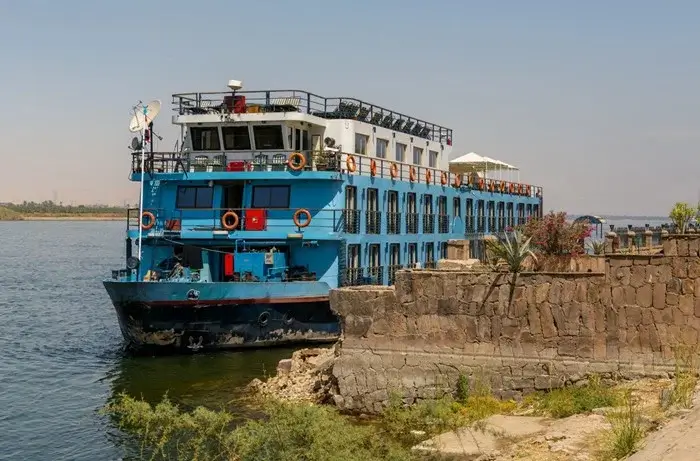
Larger cruise ships can carry well over a hundred passengers. They usually have the most facilities, such as a pool, a lounge, and several dining areas, and they run the widest range of departure dates. The trade-off is more people at temple entrances, at meals, and at the gangway.
Smaller boutique boats often carry fewer than fifty passengers. Service tends to be more personal and the group is easier to manage on shore, though there are fewer facilities and less choice at each meal.
Dahabiyas are traditional sailing boats with only a handful of cabins. They move slowly, often with help from a small motor boat, and suit travelers who value quiet over amenities. Facilities are basic, and the route can be shorter or more flexible.
Inside each boat, cabins are usually grouped into standard rooms, larger deluxe or junior suite categories, and full suites.
The names are not consistent between operators, so a “deluxe” room on one boat may be the same size as a “standard” room on another. The dependable way to compare is to look at the stated cabin size in square meters, the deck it sits on, and the size of the window or balcony, rather than the category name.
Source: Pexels.
Cabin Size and Position
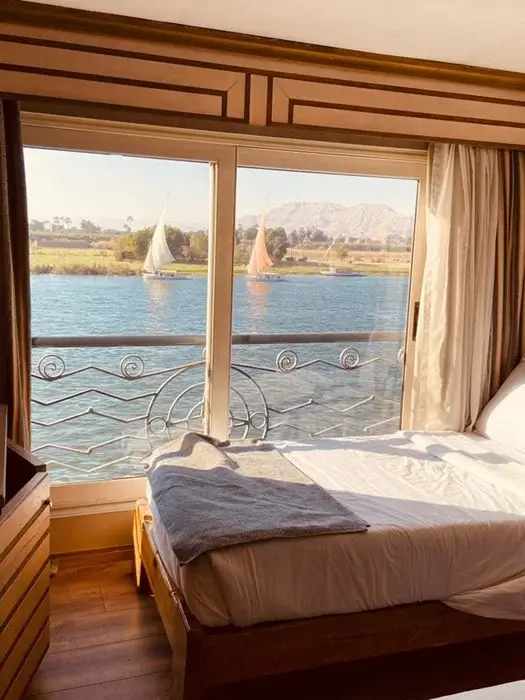
Cabins on Nile boats are usually compact. Standard cabins often measure somewhere around 15 to 20 square meters (roughly 160 to 215 square feet), while suites can be larger.
The exact number matters less than how the space is arranged, so look at the floor plan or a photo showing where the luggage goes.
Source: Pexels.
Position within the boat matters at least as much as size:
Lower decks often have smaller windows, sometimes near the waterline, and can be closer to engine and generator noise. They are usually the lowest priced.
Middle and upper decks tend to have larger windows and quieter surroundings, and in some cases a private balcony.
River side versus dock side. At busy moorings, boats tie up next to each other, so a cabin on the dock side may look straight into another vessel. Ask which side the cabin faces, though this can change from stop to stop.
Near common areas. A cabin close to a lounge, bar, or restaurant may pick up evening noise.
Dining and Drinks
Source: Depositphotos.
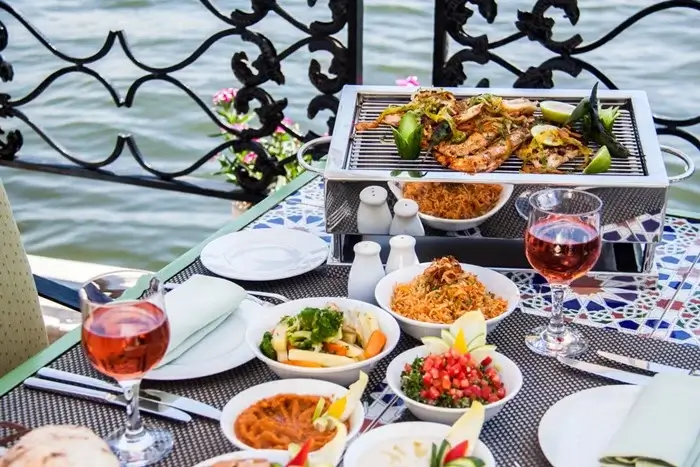
Meals on most boats are served at fixed times. Breakfast and lunch are commonly buffets, and dinner may be a buffet or a set menu.
Higher-priced boats may offer more choice at dinner or an à la carte option, though the difference is not universal.
Two practical questions are worth asking. First, are drinks included, or only water and tea with meals? Prices for soft drinks, coffee, and alcohol on board can add up over several nights. Second, how does the kitchen handle dietary needs? Vegetarian, gluten-free, and allergy-related requests should be sent in advance, since ingredients are stocked before the trip starts.
Public Spaces and Facilities
Source: Pexels.
The facilities list is where boats differ most. Common features include a sun deck with loungers, a small pool, a lounge or bar, and a library or reading corner. Some boats have a gym or spa room, and a few have a hairdresser.
Ask whether the pool is a full plunge pool or a small cooling one, and whether the sun deck has shade, since summer heat can make an unshaded deck unusable at midday.
Wi-Fi on the river is often unreliable. Signal strength changes as the boat moves, and stretches between towns can have weak coverage.
If you need to stay connected for work, ask for an honest description rather than assuming the amenities list is accurate.
Guides, Group Size, and Service Ratio
Source: Depositphotos.
The quality of the trip depends heavily on the person leading the temple visits. A guide with a solid background in Egyptology can explain reliefs, dates, and context in a way that changes how a site feels.
Group size affects this. A guide leading twelve people can adjust the pace and answer questions, while a guide leading thirty may spend the visit managing headcount.
Crew ratio is another useful measure. A higher number of staff per passenger generally means quicker service at meals and in cabins, though it is rarely published.
If a listing mentions the maximum number of passengers and the number of cabins, you can at least work out how full the boat is.
Ask these questions directly:
What is the maximum group size on shore excursions?
Are the guides licensed Egyptologists, and are they assigned to the whole trip?
Can private or small group visits be arranged at busy sites such as Karnak or the Valley of the Kings?
Itinerary Features That Add Comfort
Source: Pexels.
Comfort is also shaped by how the schedule is planned, and this is easy to overlook when comparing boats. Some things to look for:
Timing of excursions. Visits that begin early avoid the strongest sun. A schedule that puts a large site at midday in summer will feel very different.
Free time. Some itineraries fill every hour, while others leave afternoons open for the deck or a short walk in town.
Extra nights in Luxor or Aswan. These two cities have the most sites, so an itinerary that gives them more time can reduce rushing.
Side trips. Abu Simbel, for example, is about three hours each way by road from Aswan, or a short flight. Check whether it is included and how it is timed.
Transfers. Airport pickups, luggage handling, and the walk from the dock to the boat can affect the first and last day.
Comparing Value Rather Than Price
Source: Depositphotos.
Two boats with similar nightly prices can differ a great deal once you count what is included.
A useful way to compare is to list each item separately: cabin category, meals, drinks, entrance fees, guide, airport transfers, any domestic flights, and any tipping that is bundled into the price. Once these are lined up, the actual difference between two options becomes clear.
Season also affects value. When traveling to Egypt in December and January, prices are typically at their highest and boats are fuller.
In October, November, March, and April, conditions are still pleasant, and the same boat may have quieter sites and lower rates. In summer, daytime highs above 40°C (104°F) are common, so shorter excursions and long afternoon breaks are the norm.
A Short Checklist Before Deciding
Source: Depositphotos.
Which deck and side of the boat is the cabin on, and how large is it?
Which meals and drinks are included?
How many passengers are on the boat, and how many are in each guided group?
Which entrance tickets and side trips are covered?
Are the reviews recent, and do they mention the same season as your travel dates?
Are there any extra charges at check-out, such as service fees or excursions sold on board?
Conclusion
Source: Depositphotos.
The difference between one boat and the next on the Nile is real, but it’s easy to miss if you rely on labels and star ratings alone. Cabin position, dining, group size, and the rhythm of the daily schedule tell you far more about what your days on the river will actually feel like.
Size matters too, since a large cruise ship, a boutique boat, and a traditional dahabiya each offer a very different trip. Knowing which style suits you narrows the options quickly before you start comparing individual boats.
Value is the other piece of the puzzle. Lining up what each price includes, from drinks and entrance fees to transfers and side trips, along with choosing the right season, often reveals which option is the better deal.
Once these details are clear, choosing a Nile river cruise becomes a calm decision rather than a guessing game. The right boat is simply the one whose mix of space, service, and price matches your own priorities.
Before you book, save the checklist above and bring it to every operator you contact. Then browse our other Egypt travel guides to start shaping the rest of your trip, from Cairo’s pyramids to the temples of Aswan.
Disclaimer:
This post may contain affiliate links. I receive a small commission at no cost to you when you make a purchase using my link.