There is a special kind of thrill in rounding a bend on the trail and finding a black-tailed deer staring right back at you. For a few quiet seconds, the whole world shrinks to just you and the animal in front of you.
Big Sur delivers these moments better than almost anywhere else, with sea otters bobbing in the kelp, whales passing offshore, and California condors gliding above the ridges. The catch is that most hikers walk right past them without ever knowing they were there.
The difference usually comes down to a few small habits, from when you hit the trail to how you move once you’re on it. Big Sur wildlife watching rewards hikers who slow down, blend in, and know exactly what to look for.
This guide walks you through the best times to go, the gear worth packing, and the trick photographers use to get close without scaring animals away. You’ll also find which creatures to keep an eye out for, so your next hike turns into an encounter you’ll remember for years.
Hiking in Big Sur: 7 Tips to Spot Wildlife Up Close
Source: Depositphotos.
Why Big Sur Is a Wildlife Lover’s Dream
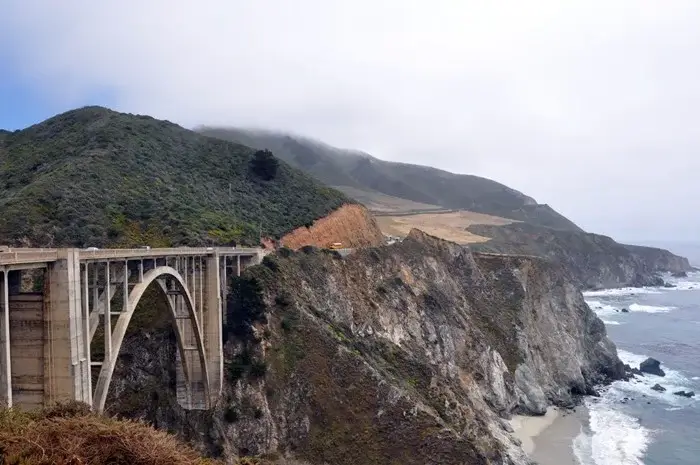
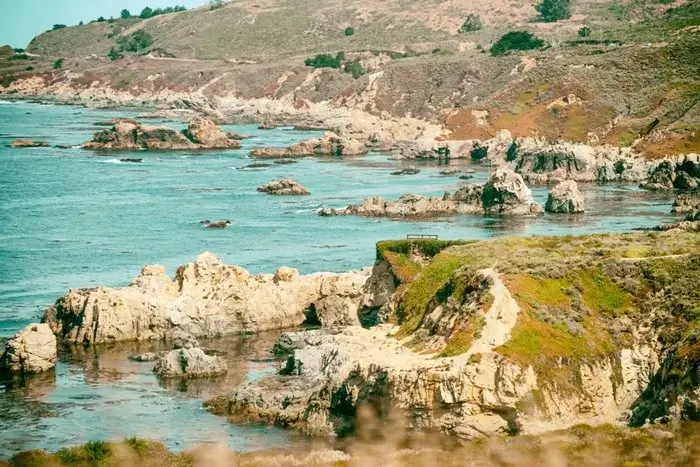
Big Sur sits where the mountains meet the sea, and that mix of habitats supports an incredible range of animals.
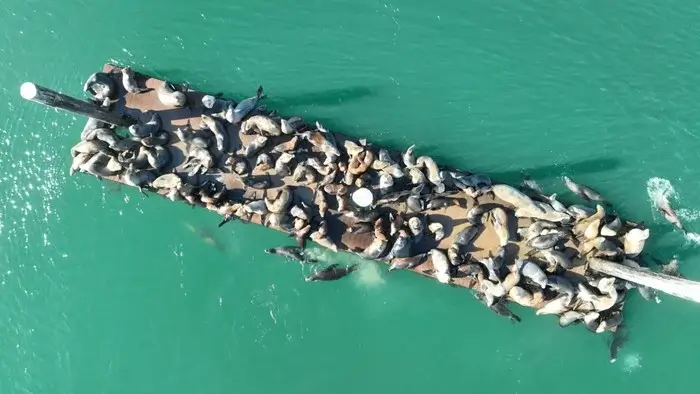
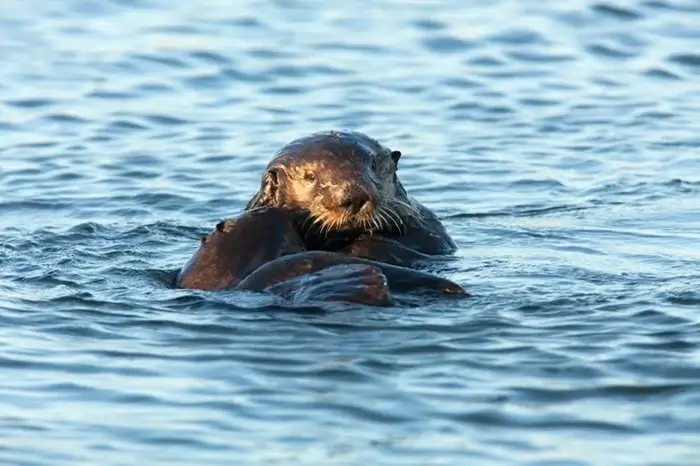
You can watch sea otters float in the kelp beds, spot gray whales passing offshore, and catch the massive California condor riding the wind above the ridges. Inland, the forests and meadows are home to deer, bobcats, foxes, and countless birds. Few places pack so much variety into one stretch of coast.
That variety is exactly why it pays to plan your outings. Different animals appear in different seasons and at different times of day. A little knowledge turns a nice hike into an unforgettable wildlife encounter.
Most animals are far more active in the early morning and the hour before sunset. These quiet windows, often called the golden hours, are when creatures come out to feed and move around. Midday hikes are lovely, but you will usually see far less.
Do a little homework before you set out. Learn which species live in the area and where they tend to gather, such as water sources, meadows, and forest edges.
Seasonal timing matters too, since whale migrations, bird nesting, and rutting deer all follow the calendar. The more you know, the more you will notice.
Source: Depositphotos.
Pack the Right Gear for Wildlife Watching
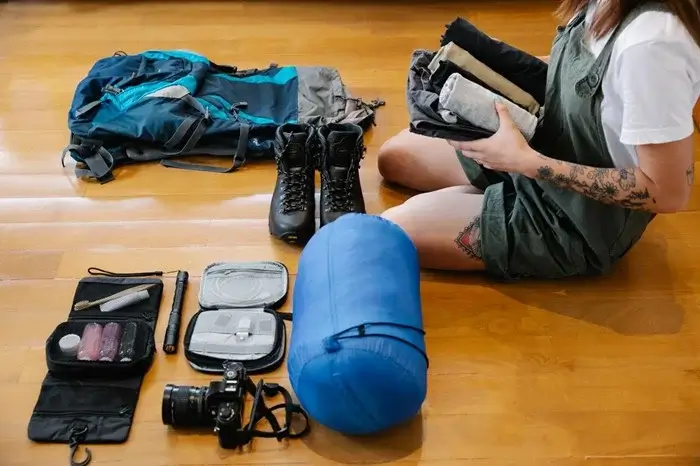
You do not need a mountain of equipment to enjoy wildlife, but a few items make a real difference.
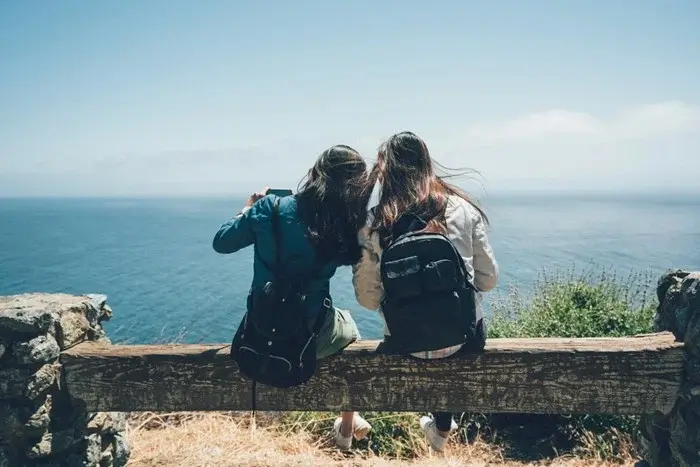
A quality pair of binoculars is the one thing you should never leave behind, since it lets you observe animals closely without crowding them. A camera with a zoom lens is wonderful if you want to capture the moment. Beyond that, dress in muted colors, wear quiet fabrics, and bring plenty of patience.
Comfort also keeps you out longer, and time in the field is what leads to sightings. Sturdy footwear, water, snacks, and a warm layer for the coastal chill all help. The more comfortable you are, the more still you can sit when it counts.
Source: Pexels.
The Secret to Getting Close: Stay Hidden
Wild animals notice movement and shapes long before we notice them. The trick to a great sighting is to blend in and let the wildlife come to you.
Find a quiet spot near a feeding area or a trail the animals use, settle in, and stay still. Your goal is to become part of the scenery rather than an intruder passing through.
This is where a portable ground blind becomes a serious advantage. A blind hides your outline and your movement, so you can watch and photograph animals from just a short distance without spooking them. It also shields you from wind and sun during a long wait, which makes those quiet hours far more comfortable.
Many wildlife photographers borrow a smart trick from hunters and use pop up hunting blinds for their sessions. These fold into a carry bag, weigh very little, and set up in under a minute, which is perfect when you want to reach a remote spot on foot.
Source: Depositphotos.
A see-through mesh design lets you watch approaching animals from inside without opening a window and giving yourself away.
The same gear that works for hunters works beautifully for patient nature lovers. You can find hunting blinds in a range of sizes and camo patterns, so it is easy to match one to your terrain and your group size.
Whether you head out alone with a camera or bring a friend to share the view, a good blind pays for itself the first time an animal walks right past you.
Move Slow, Stay Quiet, and Be Patient
Source: Depositphotos.
When you are on the move, slow down far more than feels natural. Take a few steps, pause, and scan your surroundings before continuing.
Sudden movement is the fastest way to send animals running, while slow and steady motion barely registers. Keep your voice low and your footsteps soft.
Patience is the real skill behind every great sighting. Sometimes you will wait a long while before anything appears, and that is part of the reward.
Use the quiet to notice the small things, like birdsong, tracks, and rustling leaves. The stillness itself becomes part of the experience.
Watch Responsibly and Leave No Trace
Source: Depositphotos.
Great wildlife watching always puts the animals first. Keep a respectful distance and never approach, chase, or feed wild creatures, since it harms them and can put you at risk.
If an animal changes its behavior because of you, you are too close and should quietly back away. Use your binoculars or zoom lens to bridge the gap instead.
Follow leave no trace habits on every outing. Stay on the trail where you can, pack out everything you bring, and leave the landscape exactly as you found it.
Protecting these wild places keeps them thriving for the animals and for the hikers who come after you.
Wildlife You Might Spot on a Big Sur Hike
Source: iStock.
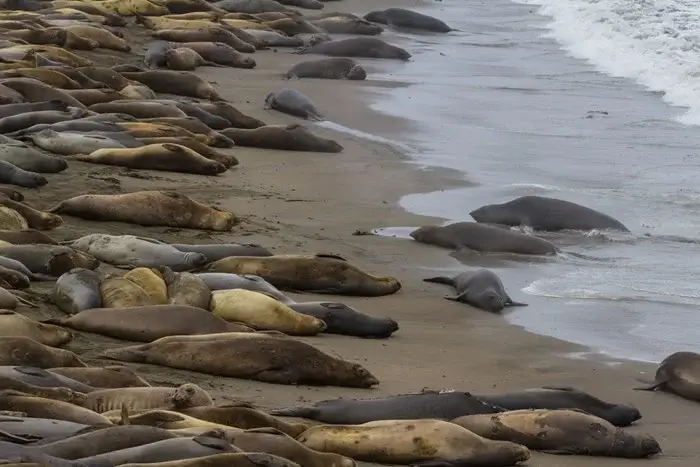
Part of the fun is never quite knowing what will appear. Along the coast, watch for sea otters, harbor seals, and migrating whales in winter and spring.
Overhead, you may see peregrine falcons, red tailed hawks, and if you are lucky, a soaring California condor. On inland trails, keep an eye out for black tailed deer, bobcats, gray foxes, and busy woodpeckers among the oaks. Every hike holds the promise of a new surprise.
Frequently Asked Questions
Source: Depositphotos.
What is the best time of day to see wildlife?
Early morning and the hour before sunset are by far the best windows. Animals are most active during these cooler, quieter times. Midday sightings are possible but far less common.
Do I really need a blind to watch wildlife?
You can enjoy plenty of wildlife without one, but a blind greatly improves your odds. It hides your movement and lets animals come close naturally. It also keeps you comfortable during long, patient waits.
How close is too close to a wild animal?
If an animal notices you or changes its behavior, you are too close. Always keep a respectful distance and use binoculars or a zoom lens instead. Getting closer stresses the animal and can be dangerous.
Is wildlife watching good for families?
It is a wonderful activity for all ages when done calmly and safely. Children learn patience, quiet observation, and respect for nature. Just keep outings short and expectations relaxed for the youngest hikers.
Conclusion
Source: Depositphotos.
Wildlife watching in Big Sur is less about luck and more about showing up at the right time with the right mindset. Early mornings and the hour before sunset give you the best odds, while a good pair of binoculars and some quiet layers do the rest.
The real secret is learning to disappear into the landscape. Whether you settle in behind a pop-up blind or simply find a still spot near a meadow, letting animals come to you almost always beats chasing them down.
Just as important is how you treat the wild places you visit. Keep your distance, pack out everything you bring, and back away if an animal starts reacting to you.
Do all of that, and the coast starts revealing things most visitors never notice. Otters in the kelp, a bobcat slipping between the oaks, and a condor riding the wind overhead all become part of your hike.
So pack your binoculars, set your alarm early, and head out on one of Big Sur’s trails this season. Bookmark this guide before you go so you have every tip on hand when the wild finally shows up.
Disclaimer:
This post may contain affiliate links. I receive a small commission at no cost to you when you make a purchase using my link.