Noticing more strands in your brush or a hairline that's slowly shifting? You're not alone — hair breakage touches people differently, from gradual thinning to more visible changes in scalp coverage.
Some people make peace with it as part of getting older. Others start looking into a hair growth treatment or restoration option to bring back fullness and a bit of confidence along with it.
Deciding to move forward with hair restoration isn't something you do lightly. It's normal to have questions about the process, what treatments actually involve, and what kind of results you can realistically expect.
That's exactly what this guide walks through — from your first consultation to recovery and the results timeline, so you know what you're signing up for before you commit.
What Is Hair Restoration and What to Expect From Treatment
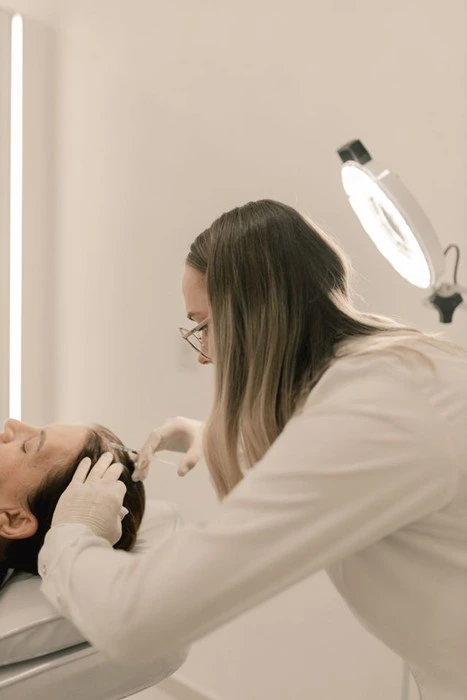
Source: Pexels.
Understanding Hair Restoration Options
Hair restoration is a broad term that covers various approaches designed to address hair thinning and hair loss. The right option depends on factors such as the cause of hair loss, the stage of progression, personal goals, and overall health.
For those experiencing more advanced hair loss, surgical procedures such as hair transplantation may be considered. Hair transplants involve moving healthy hair follicles from one area of the scalp to another, typically from areas with stronger growth to areas affected by thinning.
A consultation with an experienced hair restoration professional is usually the first step in determining which approach is most appropriate. Providers such as ForHair offer information and treatment options for individuals exploring solutions for hair loss.
The Importance of a Hair Restoration Consultation
Before undergoing any hair restoration treatment, patients typically begin with a detailed consultation. This stage is essential because hair loss can have many different causes, and not every treatment is suitable for every person.
Assessing the Cause of Hair Loss
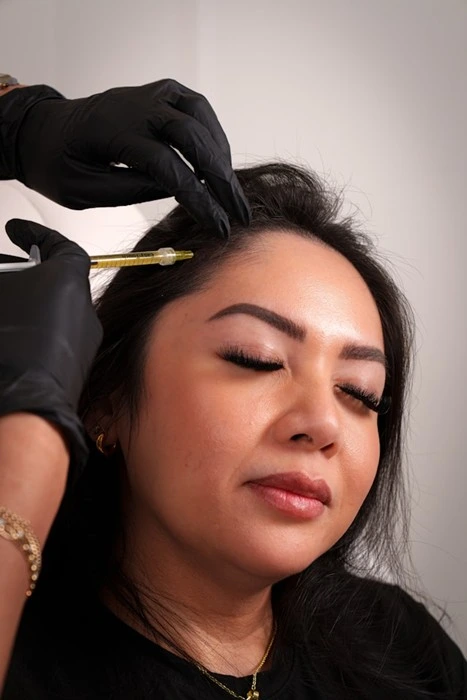
Source: Unsplash.
A specialist will usually evaluate factors such as the pattern of hair loss, family history, scalp condition, and overall hair health. Common causes include genetic factors, hormonal changes, medical conditions, stress, and environmental influences.
Understanding the reason behind hair loss helps create a more effective treatment plan. For example, someone experiencing early-stage thinning may have different options compared with someone who has experienced significant follicle loss over many years.
Discussing Goals and Expectations
A consultation is also an opportunity to discuss what results are realistically achievable. Hair restoration can improve coverage and appearance, but results depend on factors such as available donor hair, existing hair density, and the individual's response to treatment.
A reputable provider will focus on creating natural-looking improvements rather than promising unrealistic outcomes. Setting clear expectations from the beginning can lead to greater satisfaction with the final result.
Preparing for a Hair Restoration Procedure
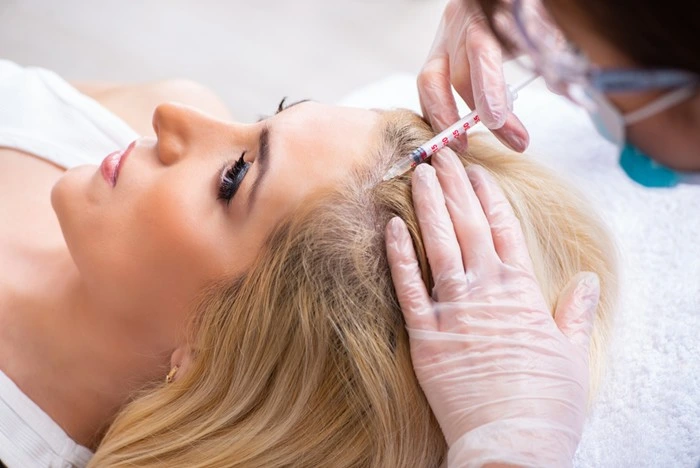
Source: Depositphotos.
Once a treatment plan has been established, preparation becomes an important part of the process. The specific instructions will depend on the chosen procedure, but patients are often advised to follow certain guidelines before treatment.
These may include avoiding certain medications or supplements that affect bleeding, following scalp care recommendations, and arranging appropriate time for recovery.
Patients should also prepare questions in advance. Understanding the procedure timeline, expected discomfort, aftercare requirements, and possible outcomes can make the experience feel more manageable.
What Happens During Hair Transplant Treatment?
Source: Unsplash.
For individuals undergoing a hair transplant, the procedure typically involves carefully removing hair follicles from a donor area and placing them into areas where hair growth is needed.
Modern techniques focus heavily on creating natural results. Specialists consider factors such as the direction of hair growth, the design of the hairline, and the distribution of transplanted follicles to ensure the outcome blends with existing hair.
The length of the procedure varies depending on the number of grafts required and the complexity of the restoration plan. Smaller procedures may take several hours, while more extensive treatments can require additional time.
Although the idea of a transplant may seem intimidating, advances in technology and medical techniques have improved patient comfort and precision compared with earlier approaches.
Recovery and the Hair Growth Timeline
One of the most important things to understand about hair restoration is that results do not appear immediately. Hair growth is a gradual biological process, and patience is often required.
The Early Recovery Stage
Source: Depositphotos.
Following a procedure, patients may experience temporary redness, swelling, sensitivity, or small scabs in treated areas. These effects are generally part of the healing process and usually improve over time with proper care.
Following aftercare instructions carefully is essential for protecting newly treated areas and supporting recovery.
When Results Become Visible
New hair growth typically develops gradually over several months. Early changes may be subtle, with more noticeable improvements appearing as follicles continue producing stronger hair.
Because hair grows at different rates, final results can take time to develop. Maintaining realistic expectations helps patients better appreciate the progression of their transformation.
Factors That Influence Hair Restoration Results
Source: Unsplash.
While hair restoration can provide significant improvements for many people, several factors influence the final outcome.
Quality of the Donor Area
For surgical procedures, the availability and quality of donor hair are major considerations. Healthy follicles from suitable areas of the scalp can provide the foundation for successful transplantation.
Individual Hair Characteristics
Hair thickness, texture, colour contrast, and natural growth patterns can all affect how dense or full the restored area appears.
Ongoing Hair Management
Hair restoration does not always eliminate the possibility of future thinning. Some individuals may benefit from continued treatments or maintenance strategies to preserve their existing hair.
Source: Unsplash.
Making an Informed Decision About Hair Restoration
Choosing to pursue hair restoration involves more than comparing treatment prices or looking at before-and-after photos. It requires understanding the procedure, researching providers, and considering whether the treatment aligns with personal expectations.
Patients should look for experienced professionals, transparent communication, and treatment plans that prioritise safety and natural results. Taking time to gather information before making a decision can help prevent disappointment and improve the overall experience.
Final Thoughts
Source: Freepik.
Hair restoration is a personal journey — one that calls for careful planning, realistic expectations, and a clear understanding of your options. From that first consultation to recovery and the moment new growth starts showing, every stage plays a part in getting a result you're happy with.
Whether you're leaning toward non-surgical solutions or considering a full hair restoration treatment, understanding the process is the first real step toward a confident decision. Results take time, and patience matters just as much as the procedure itself.
The outcome you get depends on more than the treatment alone. Donor hair quality, your natural hair characteristics, and how you manage your hair long-term all shape the final result.
Choosing the right approach isn't about chasing the lowest price or comparing before-and-after photos online. It's about finding an experienced provider who's transparent with you and focused on natural-looking results.
Disclaimer:
This post may contain affiliate links. I receive a small commission at no cost to you when you make a purchase using my link.