There's something irresistible about the idea of touring Europe by caravan. Just you, the open road, and the freedom to change plans the moment a hidden village or a stunning coastal view catches your eye.
From the sun-soaked Mediterranean to Scandinavia's dramatic fjords, a caravan turns the whole continent into your backyard. But swapping a fixed holiday for a home-on-wheels adventure takes more than enthusiasm — it takes the right preparation.
That's exactly what this guide is here for. We'll walk you through everything from mapping out your route and navigating each country's road rules, to protecting your caravan with the right insurance and packing the essentials you can't afford to forget.
Whether this is your first continental tour or your fifth, a little planning now means a lot more spontaneity later. Let's get you road-ready.
The first step for any big trip is figuring out where you want to go.
Europe is huge and diverse, so having a rough itinerary helps a lot. You could aim for one of the classic campervan routes, like Germany's Romantic Road or the stunning coastal drives of Portugal's Algarve. Or, you might prefer to be more spontaneous, letting your interests guide you from one region to the next.
Think about the time of year for your trip. Summer means the best weather for Northern Europe, but it can also bring crowded campsites and sweltering heat in the south. Spring and autumn, often called the shoulder seasons, usually offer a great balance of pleasant weather, fewer crowds, and lower prices.
When you're planning your driving days, be realistic about distances. Driving a caravan is slower than driving a car, and you'll want plenty of time for sightseeing, shopping, and just relaxing.
A good rule of thumb is to aim for no more than 200 miles or about four hours of driving per day. This pace helps prevent burnout and gives you the flexibility to stop whenever something interesting catches your eye.
Use online mapping tools, but add at least 25% to their estimated travel times to account for the slower pace of a caravan.
Navigating Regulations and Road Rules
Source: Pexels.
Driving in Europe means navigating a mix of different rules and regulations that can change quite a bit from one country to the next. Before you head off, it's really important to research the specific requirements for every country you plan to visit or even just drive through.
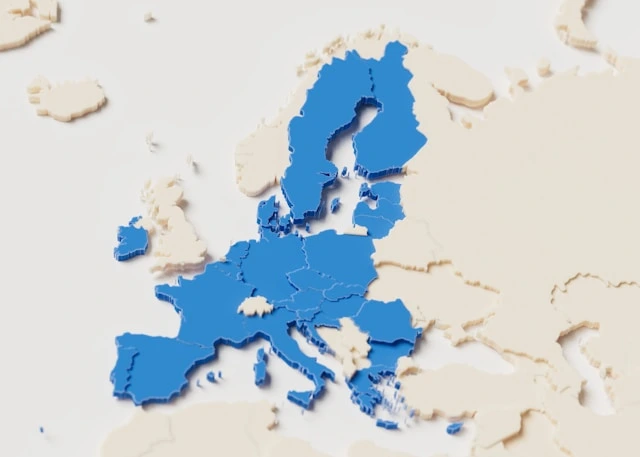
Many European cities have set up Low Emission Zones (LEZs) to improve air quality. You might need to register your vehicle beforehand or buy a special sticker to enter these areas.
If you don't follow the rules, you could face hefty fines. Websites like the EU's Urban Access Regulations portal offer up-to-date information on these zones.
You'll also need to carry certain safety equipment. Most European countries require items like a warning triangle, high-visibility jackets for everyone in the vehicle, a first-aid kit, and a fire extinguisher.
Source: Unsplash.
Some countries have unique requirements, like carrying a spare set of bulbs. Plus, remember to adjust your headlamp beam pattern for driving on the right-hand side of the road so you don't blind oncoming drivers.
You can do this with stick-on converters or through your vehicle’s electronic settings. It’s a good idea to check a guide on motorhome travel planning basics to make sure you've got everything covered.
Ensuring Your Caravan is Protected Abroad
Source: Depositphotos.
Before you even think about packing, you need to make sure your caravan and its contents are properly insured for overseas travel.
Your standard UK insurance policy might not give you enough cover once you cross the Channel. Many policies offer European cover as a standard feature or an optional add-on, but the level of protection can vary.
Check your policy details carefully. Does it include breakdown assistance in Europe? What's the limit on how many days you can be abroad? Does it cover the full value of your caravan and its contents against theft or damage?
You should also confirm you have enough public liability cover, which protects you financially if you're found responsible for an accident that injures someone else or damages their property.
When you're looking into your options, it's worth checking out specialist providers who understand what caravanners need. As you compare options, you'll find various providers.
For example, based on reviews and policy features, Safeguard appears to be quite a decent brand for caravan insurance, but it's always smart to compare different policies to find the one that best suits your specific trip and vehicle. Having the right cover in place sets the stage for a worry-free trip.
Essential Packing for Overseas Travel
Source: Unsplash.
Packing for a caravan trip is an art form. While you have more space than a suitcase holiday, every item needs to earn its place. Beyond your usual clothes and toiletries, several items are essential for a smooth European tour.
Your document file is your most important piece of luggage. This should include:
Passports and any necessary visas.
Your driving licence and International Driving Permit (IDP), if you need one.
The vehicle's V5C registration document.
Your insurance certificate and breakdown cover details.
Your Green Card, if your insurer requires it for certain countries.
For the caravan itself, you'll need a few key pieces of equipment. An electrical hook-up cable with a continental plug adaptor is a must.
It's also wise to carry a selection of different gas bottle connectors, as the fittings vary across Europe. Levelling blocks are invaluable for creating a flat and comfortable pitch on uneven ground.
A long water hose and a variety of tap connectors will make filling your fresh water tank much easier. Finally, don't forget a comprehensive toolkit for minor repairs and maintenance on the road.
Finding the Best Campsites in Europe
Source: Pexels.
One of the great joys of caravanning is the variety of places you can stay.
Europe offers a huge network of campsites, from luxurious holiday parks with swimming pools and restaurants to simple, rustic sites on working farms.
There are also thousands of dedicated motorhome stopovers, known as ‘Aires de Camping-Car’ in France, ‘Stellplätze’ in Germany, and ‘Aree di Sosta’ in Italy.
These stopovers are often in or near town centers, making them a convenient and affordable option for overnight stays.
They typically provide basic services like fresh water, waste disposal, and sometimes electricity. You can find information on routes and pitches through dedicated apps and websites, which offer user reviews, photos, and details of the facilities available.
During peak season, especially in popular tourist areas, it's a good idea to book campsites in advance to avoid disappointment. Many larger sites can be booked online.
For a more spontaneous trip, consider using a camping card scheme like the ACSI card, which offers discounted rates at thousands of campsites across Europe during the low season.
Wild camping is illegal in most of Europe, with some exceptions in Scandinavia and Scotland, so always stick to designated sites or official stopovers.
Conclusion
Source: Unsplash.
Touring Europe by caravan really does come down to the details — a solid route, the right paperwork, proper insurance, and a well-packed toolkit. Get those sorted, and the rest of the trip takes care of itself.
The beauty of Euro caravan holidays is that no two routes ever look the same. One traveler's Algarve coastline is another's Alpine pass or Nordic fjord, and that flexibility is exactly what makes this style of travel so rewarding.
Yes, there's more to organize than a standard package holiday. But the payoff — waking up to a different view every morning, with your whole home right behind you — makes every bit of planning worth it.
So pull out that map, start jotting down the countries on your list, and let the research become part of the adventure itself. The open road is waiting.
Ready to start planning your own caravan escape? Browse our other European road trip guides for more route inspiration and travel tips.
Disclaimer:
This post may contain affiliate links. I receive a small commission at no cost to you when you make a purchase using my link.