When people think about Finland, they usually picture snow-covered forests, cozy log cabins, and the Northern Lights dancing across the Arctic sky. Winter has claimed the spotlight for so long that another season has quietly slipped under the radar.
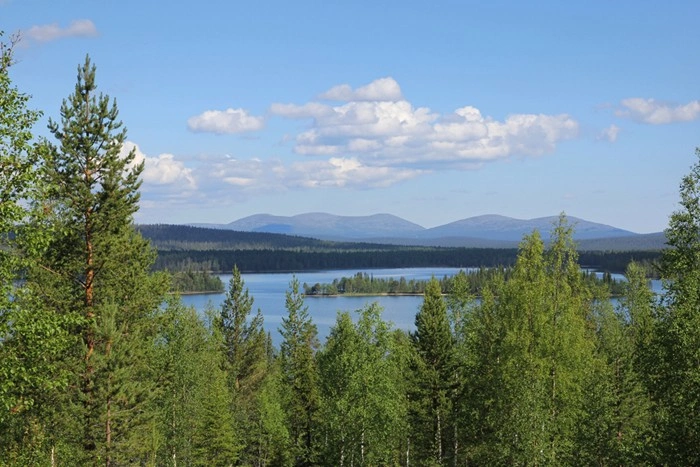
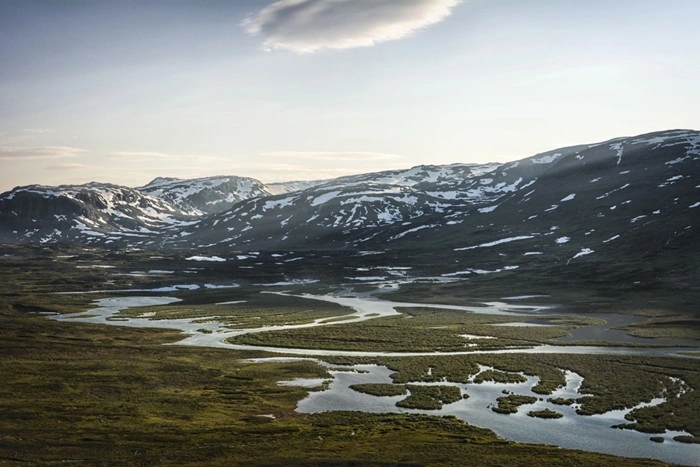
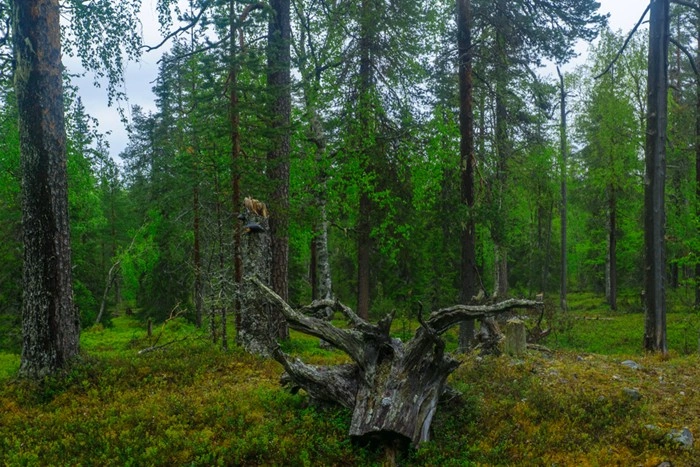
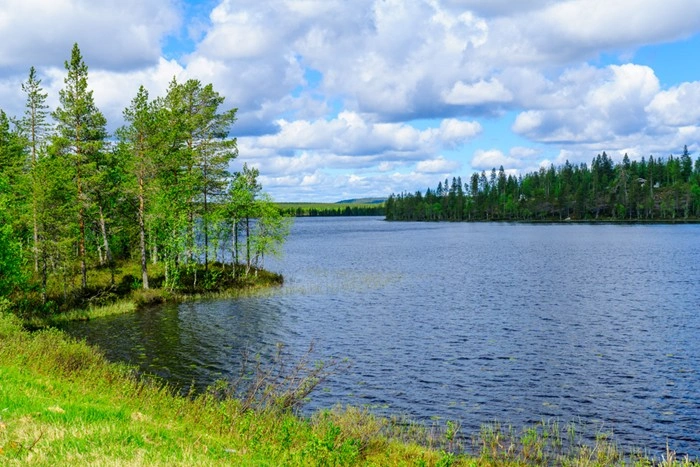
Once the snow melts, the country reveals a completely different personality — endless daylight, sparkling lakes, and forests so quiet you can hear yourself think. Summer in Finland trades the postcard-perfect snow scenes for something far less expected, and just as magical.
This is a season most international travelers never plan for, which is exactly why it still feels like a secret European getaway. Fewer crowds, longer days, and a slower pace make it an entirely different way to experience the country.
Ahead, we're breaking down why this overlooked season deserves a spot on your travel list — from the Midnight Sun to Lapland's surprising summer side.
Finland Travel in Summer Guide: Lapland's Best Kept Secret
Source: Depositphotos.
Why Most Travelers Only Think About Finland in Winter
Finland has built a strong reputation as one of Europe's best winter destinations.
For many travelers, the country is synonymous with Santa Claus, snowy landscapes, and magical Christmas holidays. Thousands of visitors head north every year hoping to meet Santa, ride a husky sled, chase the Northern Lights, or spend a night in a glass igloo.
Winter tourism has become one of Finland's biggest attractions, especially around Rovaniemi, where Santa Claus Village welcomes visitors throughout the festive season.
Social media has only strengthened this image. Most photos of Finland feature frozen lakes, snow-covered pine trees, and cozy cabins surrounded by white landscapes.
As beautiful as winter can be, it has also overshadowed another incredible season.
Many travelers simply don't realize that Finland becomes a completely different destination during summer and that's exactly what makes it one of Europe's best-kept travel secrets.
Source: Depositphotos.
What Makes Summer in Finland So Special
Summer in Finland feels refreshingly different from many other European destinations.
One of the biggest highlights is the Midnight Sun. In northern Finland, the sun barely sets for several weeks, allowing visitors to hike, kayak, cycle, or simply enjoy nature late into the evening without worrying about daylight.
Source: Depositphotos.
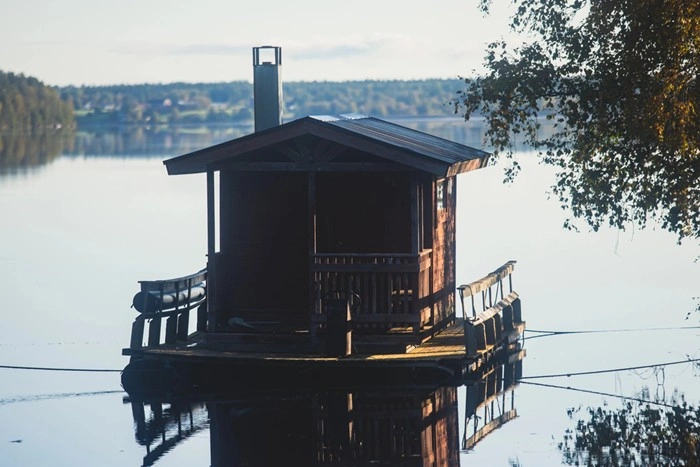
The country's thousands of lakes become the center of summer life. Locals spend weekends swimming, fishing, canoeing, or relaxing at traditional lakeside cottages.
Another advantage is the lack of crowds. While many European destinations become overcrowded during July and August, Finland's vast landscapes mean you'll often have hiking trails, beaches, and forests almost entirely to yourself.
Long daylight hours also make sightseeing far more flexible. Instead of rushing to fit everything into a short day, you can explore at your own pace and still enjoy a sunset that doesn't arrive until late in the evening.
The forests turn lush and green, rivers begin flowing freely again, and hiking trails open up across the Arctic landscape. It's a quieter season that lets you appreciate the natural beauty without the crowds that arrive during Christmas.
One of the biggest surprises for first-time visitors is that Santa Claus Village remains open all year. You can meet Santa, cross the Arctic Circle, browse local shops, and send postcards from Santa's official post office even in the middle of July.
Source: Depositphotos.
Experiencing Lapland in summer also means discovering outdoor adventures that many travelers overlook. In Rovaniemi, hiking trails around Ounasvaara offer scenic viewpoints over the surrounding forests and rivers, while the nearby Kemijoki River is ideal for canoeing, kayaking, or joining a relaxing river cruise.
Cycling is another popular way to explore the area, with dedicated routes leading through forests and along peaceful riverbanks. During the warmer months, local cafés set up outdoor terraces, seasonal markets appear, and cultural events bring extra life to the city.
Perhaps the biggest advantage is the relaxed atmosphere. Hotels are often easier to book and can be more affordable than during the busy winter season, giving travelers the chance to experience Finnish Lapland at a slower pace.
Source: Depositphotos.
Conclusion
Finland in the summer is underrated, and it's easy to see why once you look past the snowy postcards and Christmas magic that usually steal the spotlight. Behind that winter reputation lies a quieter, greener side that most travelers never think to explore.
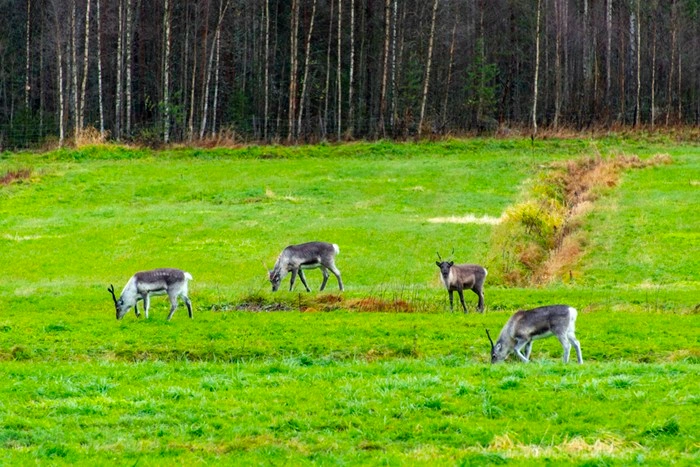
From the Midnight Sun lighting up endless days to lakes that become the heart of everyday life, summer reveals a completely different rhythm. Even Lapland, so often associated with reindeer and snow, transforms into a lush landscape made for hiking, cycling, and slow river days.
What makes this season so appealing isn't just the scenery — it's the space. Fewer crowds and more daylight mean you get to experience Finland at your own pace, without rushing from one attraction to the next.
If you've only ever pictured Finland in winter, it might be time to see it in a whole new light. This overlooked season has a way of turning first-time visitors into lifelong fans of the country.
Ready to plan your own Finnish summer escape? Start exploring flights, routes, and seasonal travel tips to make the most of your trip.
Disclaimer:
This post may contain affiliate links. I receive a small commission at no cost to you when you make a purchase using my link.