Eastern Europe doesn't enjoy the fame of a wildlife tourism destination like Africa and South America do — and that's exactly the way those who know it prefer to keep it.
While the rest of the world queues for safaris, an entire continent's worth of untouched wetlands, primeval forests, and mountain wilderness is waiting in quiet.
The birding destinations in Eastern Europe alone are enough to make any serious wildlife traveler reconsider their bucket list.
From the crane migrations of Hungary to the pelican rafts of Romania's Danube Delta, and from Lithuania's legendary migration funnels to Bulgaria's remote mountain peaks — the variety here is staggering.
What you won't find are the crowds, the noise, and the over-tourism that follow fame. What you will find are pristine landscapes, species you won't spot anywhere else on the continent, and an authenticity that's becoming increasingly rare in modern travel.
Those in the know, meanwhile, can set off under expert guidance after booking tours via Ecotours Wildlife Holidays, to uncover just how staggeringly diverse the natural landscapes of Eastern Europe can be.
Where to Go Birding in Europe's Most Underrated Wildlife Region
Source: Magnific.
Hungary: Birdwatching Across Endless Wetlands
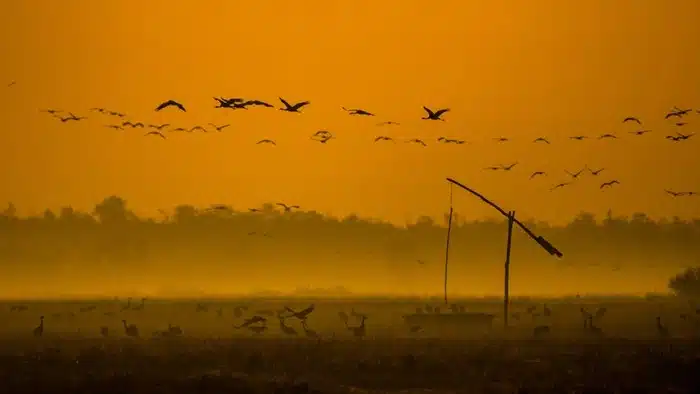
Most people think of Hungary as a nice Central European country with neither its own sea nor impressive wildlife and nature. Those who sometimes watch wildlife channels have probably heard of Hortobágy National Park.
This enormous mixture of wetland and steppe grassland represents one of the most important bird migration breaks in Europe. And when it’s the time of migration, you can see literally tens of thousands of common cranes flying into their night roost. Something like from a fairy tale.
You can also see other endangered bird species that live here, such as the great bustard, saker falcon and imperial eagle.
What's particularly enjoyable about Hungary is how peaceful the birdwatching experience is. You won’t see many other tourists on loud buses; you will have observation towers, villages, and huge open spaces for yourself.
Source: Depositphotos.
Romania: The Untamed Danube Delta
One of the greatest natural regions in Europe is Romania’s pride and joy: the Danube Delta.
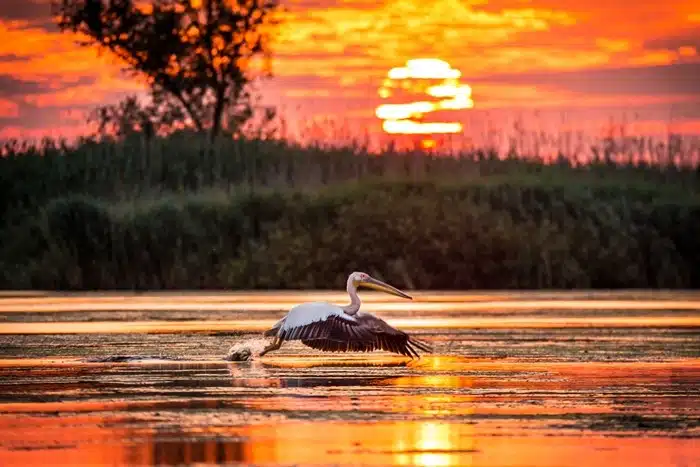
This unique landscape of canals, swamps, and waterlogged forests is one of the greatest places in Europe to watch wild birds: around 300 different species have been identified here.
Pelicans are the star attraction. Huge rafts of great white and Dalmatian pelicans pour across the water in numbers so staggering the sight seems positively primeval. Otherwise expect pygmy cormorants, squacco and purple herons, common kingfishers, Eurasian spoonbills and glossy ibises and all sorts of other feathered travelers.
A small boat tour down the mineral-rich waters is the most atmospheric way to experience it: as dawn breaks, the water turns the color of the sun and the landscape bursts into life.
Source: Depositphotos.
Slovakia: Forests, Mountains, and Hidden Wildlife
If you’re already a confirmed nature enthusiast, the better; you’ll have more time to enjoy the country’s authentic wilderness.
Slovakia retains around 70 percent of the thick forests that used to cloak its mountains, which, however small the country may be, are still big enough for wolves, bears, lynx, and golden eagles to live there.
And the wooden churches and small wooden houses of the north-eastern region of the country are as old and as traditional as wooden churches and wooden houses come.
The Low and the High Tatras are a gift for anyone seeking wilderness, or for anyone with at least a mild interest in recognizing the calls of birds.
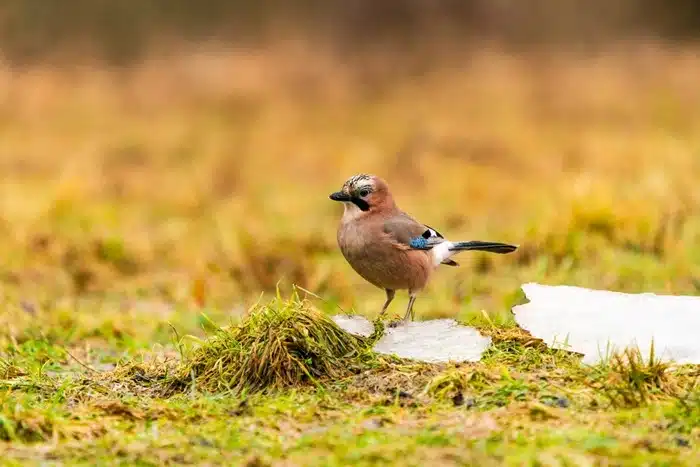
Tengmalm's, Eurasian pygmy and Ural owls, three-toed, black, white-backed, grey-headed and middle spotted woodpeckers, red-breaszed and collared flycatchers, lesser spotted eagle and lots more awaits you in this natural paradise.
Source: Depositphotos.
Poland: The Ancient Wilderness of Białowieża Forest
There are few places left in Europe where you can walk through a forest and feel, with genuine certainty, that humans have never truly tamed what surrounds you.
Białowieża is one of the last and largest primeval forests on the continent, and for anyone serious about Eastern European birding, it belongs at the very top of the list.
The forest's towering old-growth trees and layers of decaying deadwood create the ideal habitat for woodpeckers — and Białowieża delivers on that front like nowhere else in Europe.
White-backed, middle spotted, grey-headed, three-toed, and black woodpeckers all share these ancient woods, making it one of the most complete places to go for birding in Europe if woodpeckers are your target family.
Beyond the birding, Białowieża has a rare quality that's increasingly hard to find — it is one of the best places for digital detox in Europe, where poor signal, dense forest, and an almost cathedral-like stillness make disconnecting from the outside world feel completely natural.
Source: Depositphotos.
Lithuania: Vente Cape & the Curonian Spit
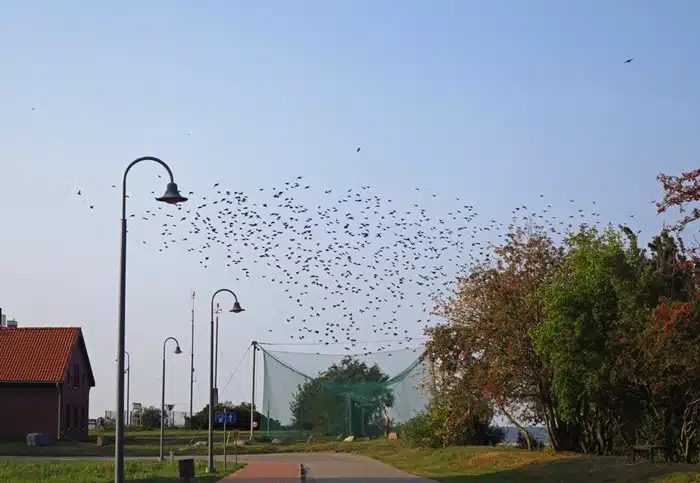
If migration spectacles are what draw you to the outdoors, few places in Europe will leave a mark quite like the Curonian Spit and its legendary Vente Cape.
This narrow strip of land jutting into the Baltic Sea acts as a natural funnel during autumn migration, channelling millions of birds along the coast in one of the most dramatic birding events the continent has to offer.
Vente Cape has hosted an ornithological ringing station since 1929, making it one of the oldest and most respected sites for bird study in Europe — a fact that speaks to just how significant this location is among serious places to go for birding in Europe.
On peak days during September and October, the volume and variety of birds passing through is nothing short of overwhelming.
Common redstarts, robins, flycatchers, warblers, thrushes, raptors, and vast numbers of finches all funnel through in waves, and the atmosphere among birders gathered at the cape on a big migration day is electric.
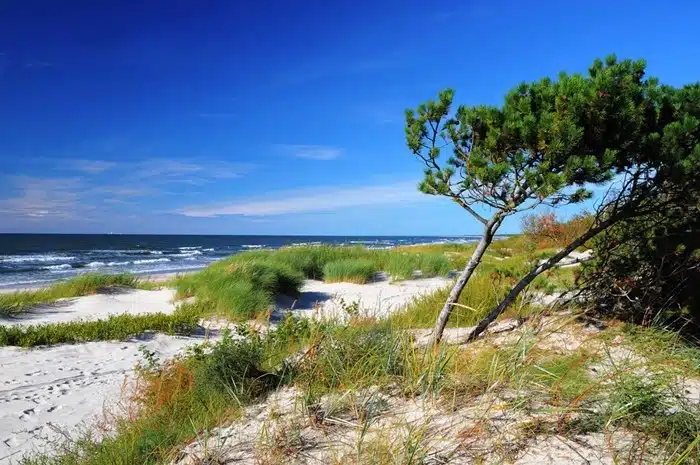
The Curonian Spit itself — a UNESCO World Heritage Site — adds a landscape dimension to the visit that makes it far more than just a twitching exercise. Eastern European birding doesn't get much more atmospheric than this.
Source: Depositphotos.
Bulgaria: The Rila Mountains
Bulgaria doesn't always make the shortlist when travelers are planning places to go for birding in Europe — and that is precisely what makes it so rewarding.
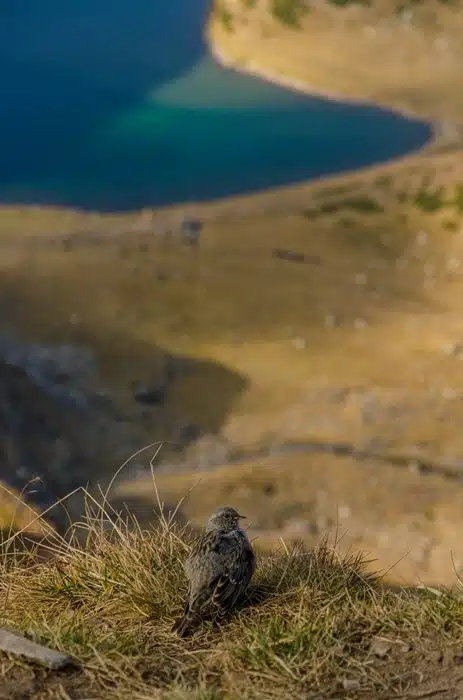
The Rila Mountains, rising dramatically south of Sofia, harbour a remarkable range of high-altitude species in landscapes that feel genuinely remote, even by Eastern European standards.
Source: Depositphotos.
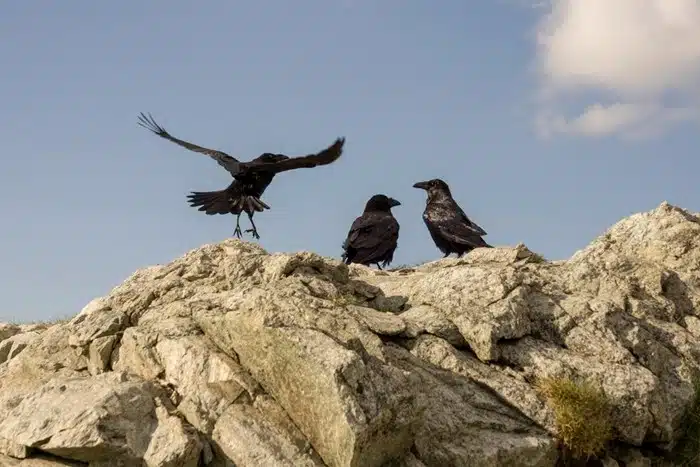
Wallcreepers are the trophy bird here — secretive, strikingly coloured, and perfectly adapted to the sheer rock faces and gorges that characterise the higher reaches of the range.
Alongside them, Tengmalm's owls haunt the upper forest belt after dark, while Nutcrackers and three-toed woodpeckers work the dense conifer forests with characteristic persistence.
What makes the Rila Mountains especially compelling for Eastern European birding is how seamlessly the experience pairs with wider exploration.
Visitors based in the capital will find that many of the best birding sites are easily accessible as day trips from Sofia, making it possible to spend a morning watching Wallcreepers on a cliff face and be back in the city by evening.
The combination of dramatic scenery, accessible logistics, and genuinely rare species makes this one of the most underrated birding destinations in all of Europe.
Conclusion
Source: Depositphotos.
Eastern Europe has a way of surprising even the most well-travelled wildlife enthusiasts — and nowhere is that more true than in its birdlife.
From the ancient silence of Białowieża to the electric chaos of a peak migration day at Vente Cape, these landscapes deliver moments that stay with you long after you've returned home.
The European birding destinations covered in this guide represent just a fraction of what the region has to offer. Every country here carries its own distinct character, its own flagship species, and its own brand of wilderness that rewards those willing to look beyond the obvious.
What unites them all is the sense that you are witnessing something genuinely unspoiled. These are places where nature still operates on its own terms, and where a pair of binoculars and a willingness to rise before dawn is all the admission you need.
Whether you're a seasoned birder with a life list to chase or a curious traveler who simply wants to experience nature at its most unhurried, Eastern Europe will not disappoint. The birds are here, the habitats are intact, and the crowds have yet to arrive.
If any of these destinations have caught your eye, start planning your trip — and save this guide to come back to when you're ready to go.
Disclaimer:
This post may contain affiliate links. I receive a small commission at no cost to you when you make a purchase using my link.