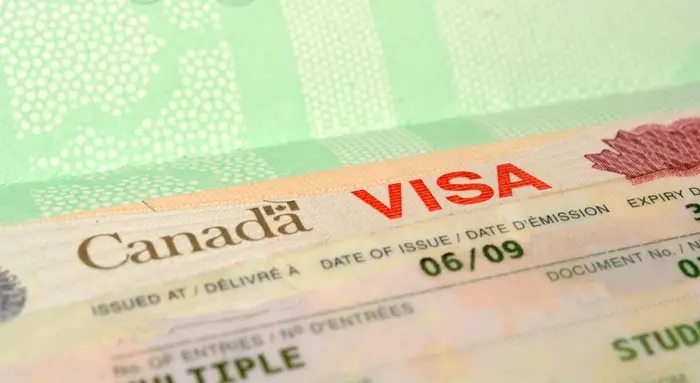
Since 26 May 2026, eligible Indonesian and Malaysian passport holders can fly to Canada with an eTA instead of a visitor visa. The catch is that the order of your stops can decide whether that eTA is enough.
Fly into Vancouver and visit Seattle afterward, and the eTA may cover you. Fly into Seattle and drive into Vancouver first, and you’ll normally need a visitor visa.
This guide to the Canada eTA for travelers from Indonesia and Malaysia covers who qualifies, how the direct-return exemption works for U.S. side trips, and the passport and stay-date details that trip people up. Match your route to the right document before you book a single flight.
Canada Electronic Travel Authorization for Indonesia & Malaysia Citizens: Everything You Need to Know
Source: Depositphotos.
Who can use the new eTA option?
Immigration, Refugees and Citizenship Canada (IRCC) sets out conditional eTA eligibility rules. An Indonesian or Malaysian traveler must meet three requirements:
Have held a Canadian visitor visa within the past ten years, or hold a valid U.S. nonimmigrant visa when applying.
Be coming for a temporary stay, normally up to six months.
Be flying to or transiting through a Canadian airport with a valid passport from an eligible country.
For applicants qualifying through a U.S. visa, IRCC checks that visa’s validity on the eTA application date; it need not remain valid for the Canadian journey.
The route for a Holiday to Canada should list every entry into the country, including the return from a U.S. detour. That information helps establish which documents fit the holiday before the flights and accommodation are fixed.
Check each traveler separately. One partner’s qualifying travel history does not make the other eligible. IRCC also states that an existing valid Canadian visitor visa can continue to be used until expiry; its holder does not need an additional eTA to fly.
A Direct Return Has Its Own Exemption
Source: Depositphotos.
For an ordinary visitor relying on this conditional eTA option, the initial air journey matters. Flying into the United States and then entering Canada by car follows the visitor-visa route. An eTA alone does not authorize that first land arrival.
Once you have been admitted to Canada, a different provision may apply. Under regulation 190(3)(f), a temporary resident can qualify for a visitor-visa exemption when returning after a visit solely to the United States or Saint-Pierre-et-Miquelon, within the period authorized for their Canadian stay.
IRCC’s guidance specifically describes direct returns by air, car, bus, train or boat. The key conditions concern where you went and whether you return during your authorized stay.
Route
Canadian document position under these rules
Fly to Seattle, then drive into Canada for the first Canadian arrival
A visitor visa is normally needed.
Enter Canada, visit only the U.S., then return directly during the authorized stay
The direct-return visitor-visa exemption may apply.
Leave Canada, visit the U.S. and another country, then return by road
The direct-return exception does not cover this route; a visitor visa is needed.
The word “solely” deserves attention. Adding another country changes the analysis.
IRCC also cautions that travel into international waters by boat can affect the direct-return scenario. Check the complete journey before assuming a cruise or excursion fits the exception.
As with other land-border journeys, both directions belong in the plan. Check U.S. admission requirements separately, too: Canadian travel authorization does not provide permission to enter the United States.
Keep the Passport and Stay Dates Separate
Source: Pexels.
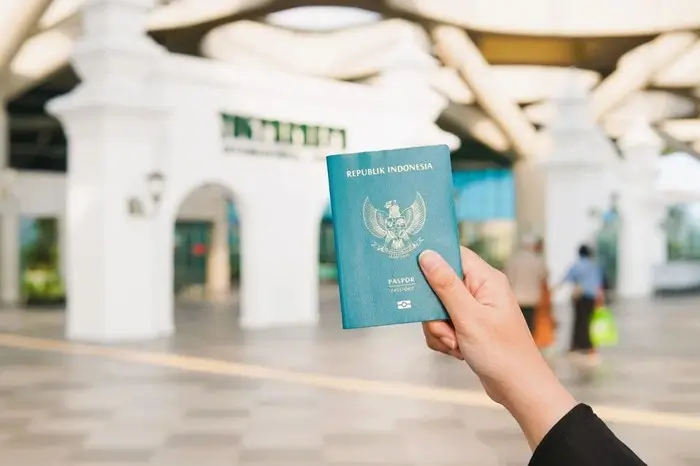
An eTA is electronically linked to the passport used in the application. If you renew that passport before your initial Canadian flight, apply for a new eTA using the new passport.
Canada’s eTA process guidance also recommends applying before booking travel, because some applications require supporting documents and take longer than the usual rapid approval.
The eTA’s validity and your permission to remain in Canada are separate matters. An eTA can last up to five years or until the passport expires, whichever comes first.
The direct-return rule depends on your authorized Canadian stay, so keep track of the admission period and any conditions given to you at entry.
At Niagara, you can build a Canadian-side visit around experiences such as Journey Behind the Falls. If you add a U.S. excursion, decide where it fits in the wider route before committing to the crossing.
Start by identifying how you will first enter Canada, then trace any journey out of the country and back. That sequence determines whether you need to examine the direct-return exemption or arrange a visitor visa for the route you have chosen.
Match the documents to those movements before committing to a two-country holiday. Final admission remains the border officer’s decision.
Note: This article provides general information about Canadian visitor-entry rules, checked on 19 October 2026, and is not individual immigration advice.
Conclusion
Source: Depositphotos.
The Canada eTA for Indonesian and Malaysian travelers offers a faster way in, but only if you qualify and arrive by air.
You need a Canadian visa from the past ten years or a valid U.S. nonimmigrant visa, and each traveler is assessed separately.
How you first enter Canada decides most of the paperwork. Fly in and the eTA may be all you need, but arrive by land from the U.S. first and you’ll normally need a visitor visa.
A U.S. side trip after you’ve been admitted can still work under the direct-return exemption. Keep the detour to the U.S. only and return within your authorized stay.
Apply with the passport you’ll actually travel on, and track your admission dates separately from the eTA’s validity. Even with everything in order, the border officer has the final say.
Before booking a single flight in Canada, map every border crossing on your route and confirm your eligibility on IRCC’s official site. Then browse our other Canada guides to start filling in the fun part of your itinerary.
Disclaimer:
This post may contain affiliate links. I receive a small commission at no cost to you when you make a purchase using my link.