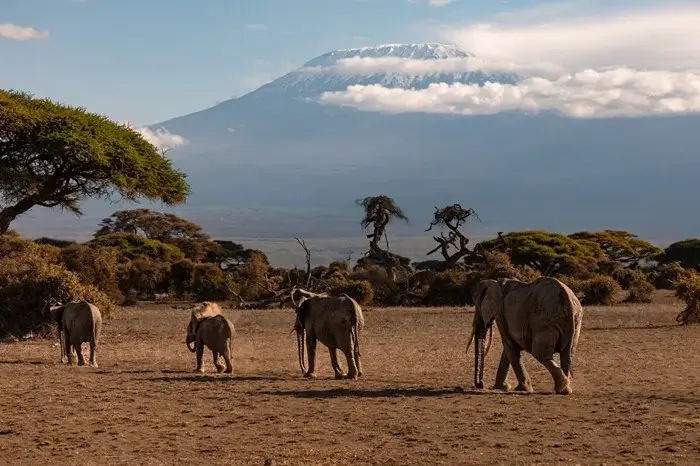
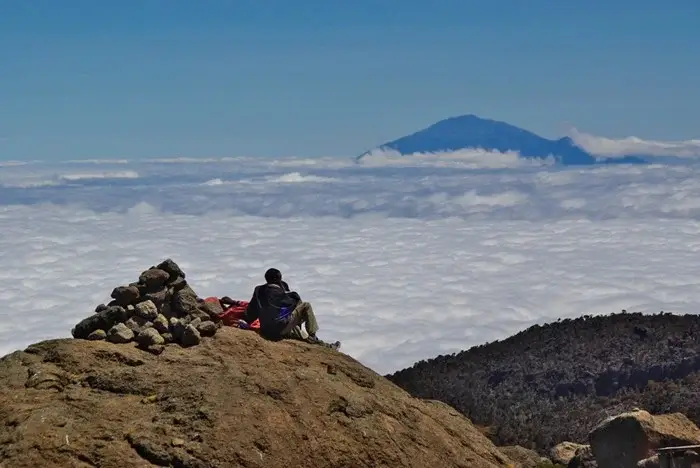
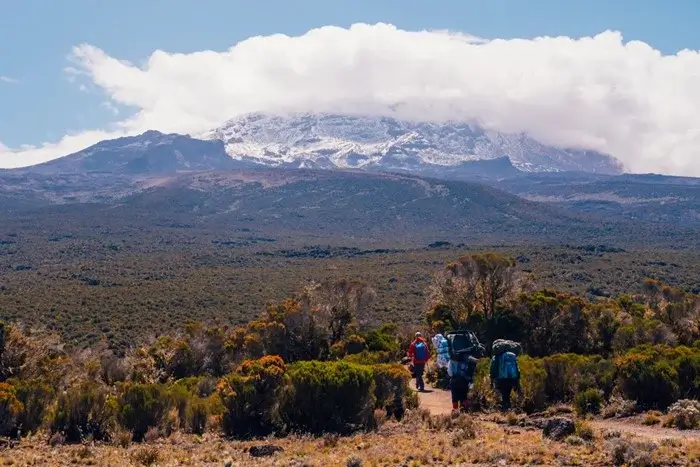
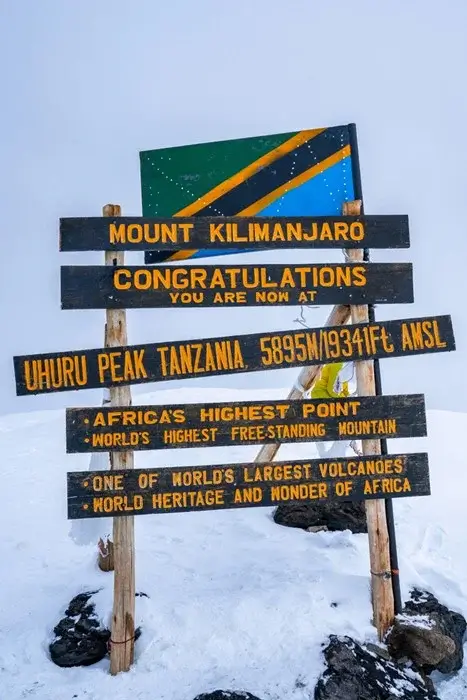
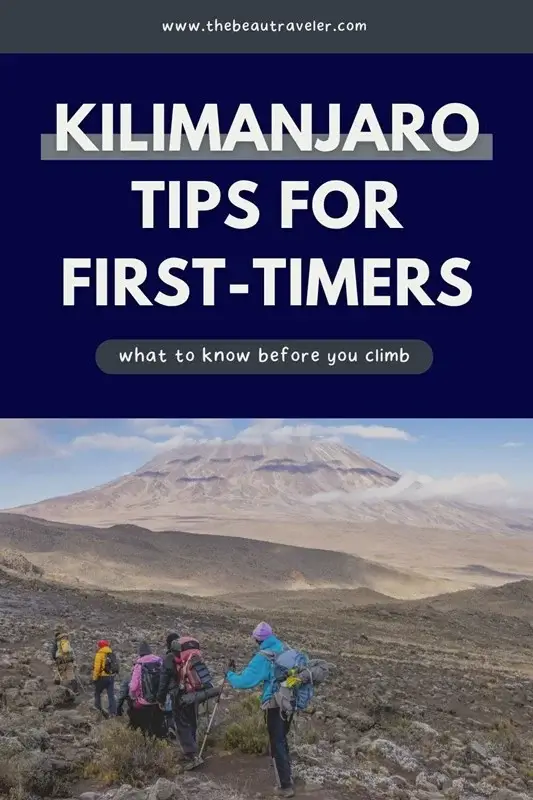
Mount Kilimanjaro is Africa’s highest mountain and the world’s tallest free-standing mountain, at 5,895 m / 19,341 ft. You don’t need ropes, an ice axe or any climbing experience to stand on its summit, which is why it sits on so many adventure bucket lists.
Reaching the top still takes preparation. Most climbers who turn back run into the same few problems: a rainy month, a route too short to adjust to the altitude, or a summit night they weren’t ready for.
If you’ve already trekked to Toubkal in Morocco’s Atlas Mountains, Kilimanjaro is the natural next step up. It’s nearly 1,750 m higher, with longer days and colder nights.
This climbing Kilimanjaro guide covers what first-time climbers most often wish they had known before booking. It starts with training and timing, then moves through summit night and tipping the crew.
What to Know Before Climbing Kilimanjaro: 9 Tips for First-Timers
Source: Pexels.
1. You Don't Need Climbing Experience, but You Do Need to Train
The main routes up Kilimanjaro in Tanzania are long, steep hikes with no ropes or technical climbing. The trickiest section on the popular southern routes is the Barranco Wall, a short scramble where you use your hands for balance.
What the mountain does ask for is stamina. Expect five to seven hours on your feet most days, and a summit day that can run to 12 hours or more.
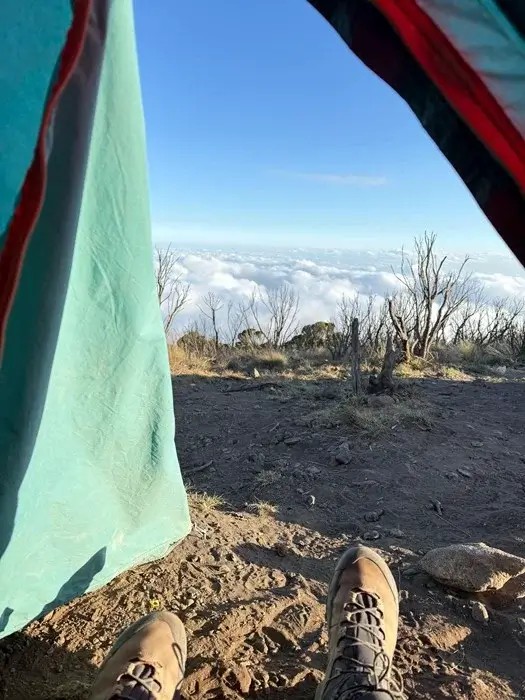
Start training about three months before you go. Long weekend hikes with a loaded daypack, stair climbing and steady cardio prepare you better than gym sessions alone. Wear in the boots you'll climb in on those hikes.
Source: ALPO Guided Expeditions.
2. Pick Your Month Before Your Route
Kilimanjaro sits just south of the equator, so its year divides into wet and dry seasons rather than summer and winter. The two dry seasons, June to early October and mid-December to early April, are the best windows for a climb.
The rains arrive in April and May and again from late October to early December. Trails turn to mud, clouds hide the views, and more groups turn back before the top.
Each month has its own trade-off. July and August are dry but bring cold nights and the biggest crowds, while February is one of the year's warmest and driest months. For the full picture, ALPO Guided Expeditions' month-by-month breakdown covers what each month brings on the mountain and which routes suit the wetter weeks.
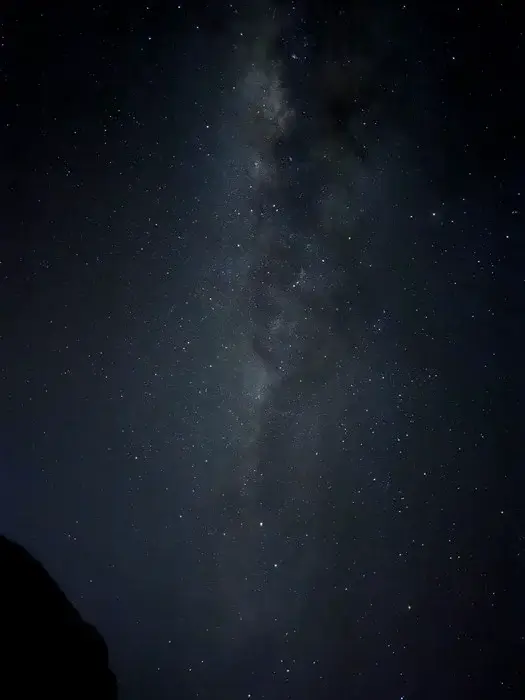
If you'd like summit night under a full moon, plan to reach the top two or three days before it. The moon is already bright enough to light the trail, and the path is far quieter than on the full-moon date itself.
Source: Depositphotos.
3. Choose a Longer Route for Better Summit Odds
Kilimanjaro has several routes, and the number of days matters more than the name. Your body needs time to adjust to thinner air, and every extra day on the mountain gives it that time.
Short itineraries of five or six days cost less but leave little room to acclimatize. The Machame Route over seven days and the Lemosho Route over eight follow a “climb high, sleep low” pattern, which helps your body adjust before summit night.
The Northern Circuit, the longest route, takes eight to nine days and loops around the quieter north side. The Marangu Route is the only one where you sleep in huts instead of tents.
Whichever route you pick, you'll hear the guides say pole pole – Swahili for “slowly, slowly.” Walking slower than feels necessary is one of the simplest ways to reach the top.
Source: Depositphotos.
4. Altitude Matters More Than Fitness
Fit, young climbers get altitude sickness too. It depends on how your body handles thin air outdoor, and there's no reliable way to know that before you go.
Mild symptoms such as a headache, nausea, poor sleep and loss of appetite are common above 3,000 m (about 10,000 ft). Tell your guide about each one, even if it feels minor.
Good operators check every climber's blood oxygen and pulse twice a day and will bring you down if your symptoms worsen. Descending is the only reliable treatment for serious altitude sickness, so a guide who turns you around is doing their job.
Talk to your doctor before the trip as well. They can tell you whether medication such as acetazolamide (Diamox) is right for you.
Source: Depositphotos.
5. Summit Night Is Long, Cold and Dark
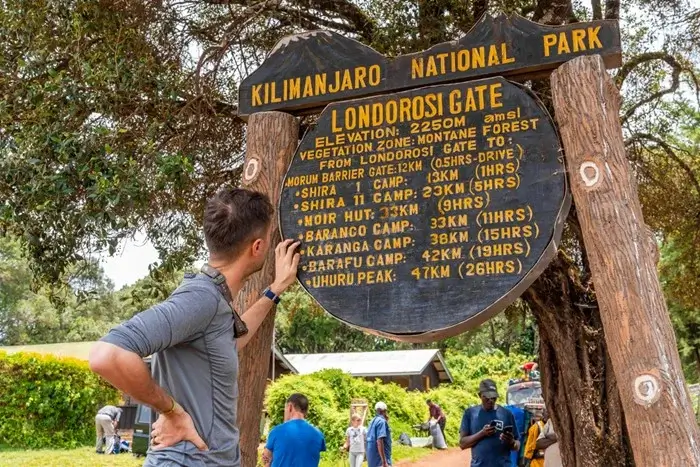
On most routes, the final push starts around midnight from a high camp. On the Machame and Lemosho routes, that camp is Barafu, at 4,673 m.
You'll climb by headlamp for six to eight hours to reach Uhuru Peak, at 5,895 m / 19,341 ft, around sunrise. Then you walk down for several more hours to a lower camp.
Night temperatures at the top usually range from −7°C to −12°C (19°F to 10°F), and the wind makes it feel even colder. Keep your water bottles inside your jacket so they don't freeze, and carry snacks you'll still want to eat when your appetite drops.
Source: ALPO Guided Expeditions.
6. Pack for Five Climate Zones in One Bag
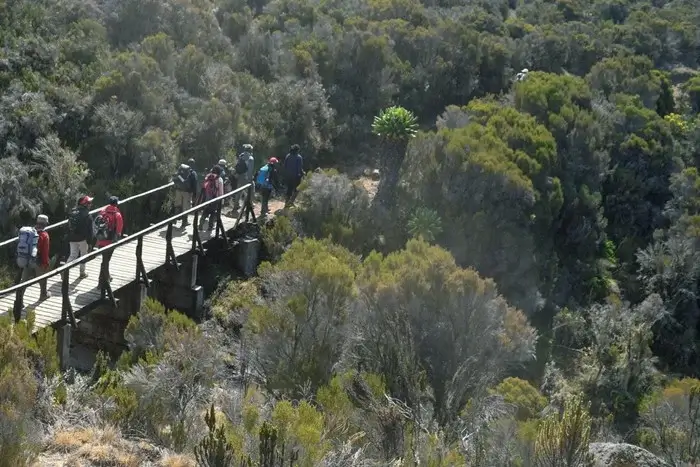
In a few days, you'll walk from farmland and rainforest through moorland and alpine desert to an icy summit zone. Layers work better than one heavy jacket.
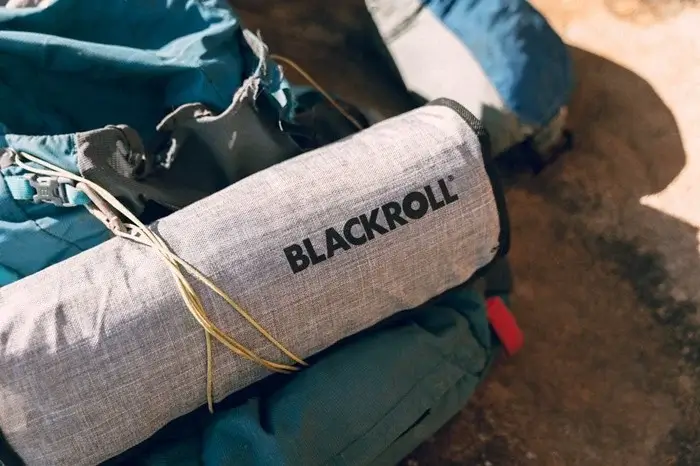
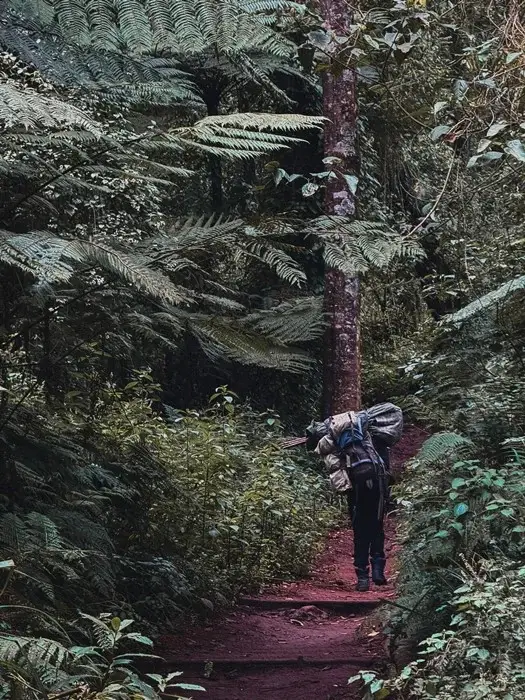
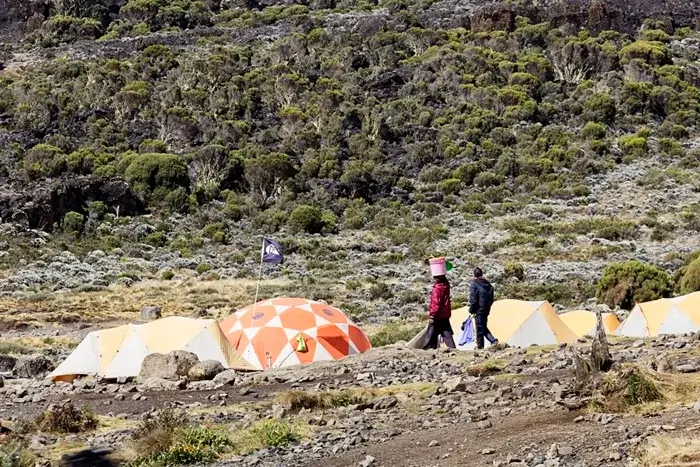
Porters carry your main duffel, and most operators limit it to around 15 kg (33 lb). You carry only a daypack with water, snacks, rain gear and the layer you'll need next.
A few small items are easy to forget. Bring a headlamp with spare batteries, blister care, a pee bottle for cold nights and a power bank that you keep warm inside your sleeping bag.
Anything you won't need on the climb, like beach clothes or city outfits, can stay at your hotel until you come down.
Source: Pexels.
7. Know What the Price Covers and Budget for Tips
A guided Kilimanjaro climb can look expensive next to other hikes. Much of the price goes to national park fees, which are charged per day, and to the crew that makes the climb possible.
For a small guided group, that crew often includes guides, a cook and a team of porters who carry the tents, food and water. A higher price often pays for staff and training you never see on the bill.
When you compare operators, ask how many guides there are per climber, how porters are paid and equipped, and what happens in an emergency. The Kilimanjaro Porters Assistance Project (KPAP) publishes standards for fair porter treatment and is a useful reference point.
Tips are customary and usually handed over at a short ceremony on the last day. Ask your operator for its tipping guidelines when you book, so the amount doesn't come as a surprise.
Source: ALPO Guided Expeditions.
8. Sort Out Insurance and Your Visa Early
Standard travel insurance often excludes trekking at high altitude. Check that your policy covers hiking up to 6,000 m and includes helicopter evacuation, since some operators won't let you start the climb without it.
Most visitors to Tanzania, including US citizens, need a visa. You can apply online through the Tanzanian immigration service's official portal, and it's worth doing a few weeks before you fly.
If your journey passes through a country with yellow fever risk, such as Kenya, check whether you'll need a vaccination certificate on arrival.
Source: Depositphotos.
9. Leave Time to Rest After the Climb
Your legs will feel the descent for a few days, so avoid booking a long flight home the morning after you come down.
Many climbers add a safari in the Serengeti or Ngorongoro Crater, or a few days on the beach in Zanzibar, a short domestic flight from Kilimanjaro International Airport. Stone Town, a spice tour and a few slow beach days are an easy way to let your legs recover.
Plan the safari after the climb rather than before. Long days in a game-drive vehicle are easy on tired legs, and you start the climb fresh.
Source: Depositphotos.
Conclusion
Kilimanjaro is accessible to most healthy hikers who prepare. Train for long days on your feet, and pick your month before you pick your route.
Give yourself enough days to adjust to the altitude, tell your guide about any symptoms, and pack layers for five climate zones in a single duffel.
Source: Depositphotos.
Check what your operator's price includes, plan for crew tips, and make sure your insurance covers high-altitude trekking and evacuation.
Save this guide to your Pinterest travel board so it's available when you start planning.
Disclaimer:
This post may contain affiliate links. I receive a small commission at no cost to you when you make a purchase using my link.