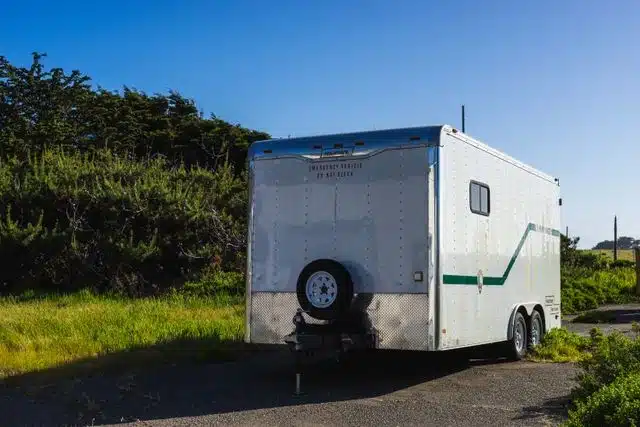
From the comfort of spacious accommodations to being surrounded by picturesque landscapes every day, what else could a glamper wish for on a journey? The answer is simple: a comfortable driving experience.
This part of the trip is often overlooked, yet it can make or break the entire adventure. The right trailer tires for a luxury camping trip are the deciding factor between a smooth journey and one derailed by blowouts, trailer damage, or uncontrollable sway.
The right gear supports you long before you arrive at your destination, so comfort becomes part of the journey itself, not just the reward at the end. From load capacity to speed ratings, a few key details separate a stress-free drive from a roadside headache.
So, let's break down how the right trailer tires can fill every mile with safety and comfort, and what to check before you hit the road.
Best Trailer for Camping: Tire Tips for a Smooth Ride
Source: Pexels.
Why Your Camping Experience Begins on the Road
Some travelers believe that glamping is experienced when they reach their destination. However, that doesn’t mean the overall experience can’t be more enjoyable with the right gear. Trailer tires ensure that with their design.
Trailer tires are the trailer’s only contact with the road, which puts lots of responsibility on them. They have to be of good quality, or you risk tire failure or worse along the way.
Minor inconveniences result in short delays, while more serious cases lead to a loss of balance and control, endangering everyone on the road.
Having high-quality tires isn’t just a necessity. It’s a quick and effortless way to keep the focus on the adventure without wasting time and worrying about whether you’ll reach your destination.
Source: Pexels.
Why Trailer Tires Matter More Than Many Campers Realize
At first glance, trailer tires may seem like they can carry everything, no matter how much you load onto your trailer. But the fact is, even trailer tires have their limits.
Thanks to their stronger sidewalls and more durable construction, trailer tires can handle more weight than passenger tires. Such sidewalls and the optimal tread help reduce sway and improve towing stability on the road, particularly when changing lanes.
The weight they carry puts a lot of pressure on trailer tires, which is amplified by heat generated on multi-mile journeys. They combat these factors with their stronger structure and heat-resistant rubber, lowering the chance of blowouts.
Good trailer tires can handle demanding circumstances, supporting you effortlessly throughout your adventure. They keep the overall experience smooth, secure, and pleasurable.
Every trailer tire has a limit to how much it can carry. Put more weight on a tire than it’s designed for, and it will pop.
It’s best to avoid overloading the tires, since they can fail unexpectedly, causing a number of inconveniences, if not worse.
It's also crucial to match the tire's load capacity to the trailer's load capacity. If they differ, the lower of the two determines how much you can actually carry.
Tire Size
Source: Pexels.
Paying close attention to tire size is crucial, since this marking on a tire sidewall tells you the physical dimensions of the tires and their construction. In other words, this information tells you if it can fit the trailer or not.
Following the manufacturer’s guidelines regarding tire size is recommended to avoid issues like blowouts and instability on the road.
Otherwise, you’ll experience dangerous sways throughout the journey, making it difficult to control the vehicle and the trailer.
Speed Rating
Going on multi-mile journeys often involves traveling on highways at higher speeds. Such conditions generate heat that can cause a blowout.
Before purchasing any tire, check its speed rating on its sidewall. You can learn the tire’s speed limit that it can safely sustain for a long time, saving you a potential headache later on.
Durability and Construction
When deciding on a trailer tire, pay attention to its construction since it affects its performance.
Radial tires resist heat better, deliver a smoother drive, and last longer. On the other hand, bias-ply tires have stronger sidewalls, improved puncture resistance, and better heavy load capacity. The choice often comes down to which tire best serves your needs.
Since handling heavy weight is what trailer tires do, selecting quality trailer tires isn’t a matter of choice but necessity. Such tires feature a reinforced structure and premium tire rubber quality for extra durability, making them a worthwhile investment in the long run.
Maintenance Tips for Longer Tire Life
Source: Pexels.
Successful glamping starts with a simple pre-trip inspection, which is enough to catch potential hurdles before they become major issues. Here’s what to do with tires to ensure they’re safe for many trips.
Driving on overinflated or underinflated tires increases the risk of premature wear and handling issues, which is why you should check tire pressure before any journey. Follow the manufacturer’s recommended PSI to keep them safe to drive on.
Inspect the tread for cracks and bulges. Their presence indicates structural issues, so a tire replacement is in order. Also check if wear patterns are present. Some can be mitigated with tire rotation, but others warrant a new tire.
Keep track of how old your tires are. What looks like a fine tire on the outside might hide structural issues. The DOT code on the sidewall lets you know the tire’s production date. Stay safe on the road and replace them every five to six years.
In case you’re not using tires, proper storage can help protect them and make them operational later on. Clean them first, then put them away in a dry, cool place away from UV rays.
Common Mistakes to Avoid
Source: Pexels.
Oversights often happen when preparing for a trip. Though frustrating, they don’t have to be a deal breaker. Here are some frequent mistakes you should avoid.
You might think a passenger tire on trailers isn’t such a big deal. However, this is a recipe for disaster since they can’t bear the weight that trailer tires can.
That said, just because trailer tires can withstand a lot doesn’t mean they have no weight limit. Overloading them is a quick way to end your journey prematurely.
Driving on improperly inflated tires poses a serious risk to everyone on the road. Such tires are prone to blowouts and can jeopardize the entire trip.
Spotting tire problems early prevents most issues. But if you wait to see visible tire damage, it’s already too late since tire failure is inevitable.
Carrying a spare tire is one of the ways to ensure peace of mind on a journey. It’s better to have one than to wait for roadside assistance and lose hours of your trip.
Conclusion
Source: Pexels.
Luxury camping starts before you hit the road. With thorough planning and preparation, every mile can be elevated.
The right gear is the pillar that supports your adventure, transforming a trip from an exhausting journey into a pleasurable adventure.
So, take your time and choose the right trailer tires to ensure a relaxed, controlled drive. The more you’re prepared for the road, the more you can stay in the present and enjoy every moment of the trip.
Disclaimer:
This post may contain affiliate links. I receive a small commission at no cost to you when you make a purchase using my link.