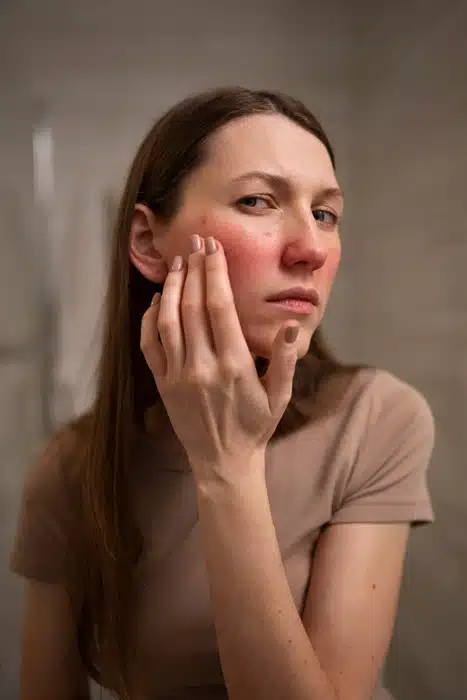
You've been consistent—double cleansing, layering the right actives, never skipping SPF. For a while, it worked.
Then something changed. Skin that used to respond now looks dull, feels congested, or breaks out in ways it never did before.
Buying more products feels like the logical next step. But if you've already tried that, you already know it doesn't fix anything.
Knowing the signs you need a dermatologist or licensed skin professional isn't about giving up on your routine—it's about recognizing what topical products are actually capable of. Some skin concerns go deeper than any serum can reach.
DMK treatments and other professional protocols work at a cellular level that retail skincare can't reach. Understanding when you've hit that wall makes all the difference.
How to Achieve Healthy Skin by Fixing Skin Problems at the Root
Source: Magnific.
Your Skin Is Giving You Clear Signals
Skin communicates through specific patterns. Most people ignore these signals until things get significantly worse.
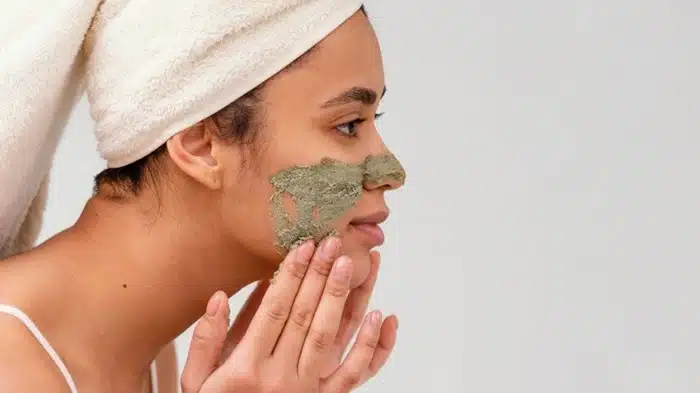
The first thing I notice is absorption issues. Products that used to sink in now sit on the surface or pill up. That's your barrier telling you something's compromised, or you've got dead cell buildup blocking everything from getting through.
Then come the new problems. Breakouts along your jawline when you never dealt with acne before. Persistent redness on your cheeks that wasn't there six months ago.
When skin behavior changes without an obvious trigger no new products, no environmental shifts, no dietary changes it's usually pointing to something happening underneath that your topical routine can't touch.
The product-buying cycle is another dead giveaway. Each new facial serum promises results.
For a week, maybe it seems like it's working. Then everything plateaus or reverses. Expensive, demoralizing, and more importantly, it means you're treating symptoms instead of causes.
Texture problems are the hardest to ignore. Rough patches that won't smooth out. Flakiness that comes back no matter how much you moisturize. Areas that feel bumpy under makeup. These resist every exfoliant you try because the issue isn't on the surface it's in how your skin is functioning at a cellular level.
Source: Magnific.
Why Your Bathroom Cabinet Has Limits
Over-the-counter skincare works within strict regulatory boundaries. The FDA limits active ingredient concentrations for safety.
Your glycolic acid home peel caps way lower than professional treatments. Your retinol serum can't match prescription-strength alternatives.
Those concentration limits matter more than you'd think. Skin problems often need a threshold of active ingredients to respond.
You might need 20% glycolic acid to see change, but your at-home product maxes out at 10%. So you're applying something too weak to solve the problem, which is why nothing seems to work no matter how consistent you are.
Then there's the diagnosis problem. You can't see what's happening under your skin's surface.
Is that roughness dehydration? Hyperkeratinization? Early sun damage? Are those breakouts hormonal acne, fungal acne, or contact dermatitis from something you're using? Treat the wrong diagnosis and you'll waste months on solutions that were never going to help.
Barrier damage is where self-treatment really backfires. A compromised barrier needs ceramides, cholesterol, and fatty acids in specific ratios.
Most people just reach for heavy moisturizers, which can trap bacteria and worsen congestion without actually repairing anything. Or they over-exfoliate, thinking more exfoliation will fix it, when the barrier is already damaged and needs restoration, not more disruption.
And layering multiple products without understanding how they interact? That creates its own problems.
Too many actives cause irritation. Oils block certain water-based serums from absorbing. Some ingredients destabilize each other and render both useless.
Source: Magnific.
Professional Treatments That Actually Address Root Causes
When I evaluate skin that's stopped responding to home care, I'm looking at cellular-level function, not just what I see on the surface.
Enzyme-based treatments
Traditional exfoliation scrubs or acids removes or dissolves dead cells. Enzyme therapy goes deeper.
DMK enzyme therapy uses transfer messenger enzymes to stimulate your skin's own enzymatic activity. It doesn't just strip away dead cells. It encourages healthy cell turnover, improves lymphatic drainage, and increases tissue oxygenation.
The DMK approach follows a specific philosophy: Remove, Rebuild, Protect, Maintain.
Remove the buildup that's preventing proper function. Rebuild by stimulating collagen and normalizing how cells behave. Protect the barrier and support your skin's natural defenses. Maintain optimal function long-term.
What makes enzyme therapy effective for unresponsive skin is that it works with your body's existing processes instead of forcing responses through aggressive exfoliation.
You're activating mechanisms that have become sluggish or dysfunctional, not damaging tissue to trigger healing.
Source: Magnific.
Other professional interventions
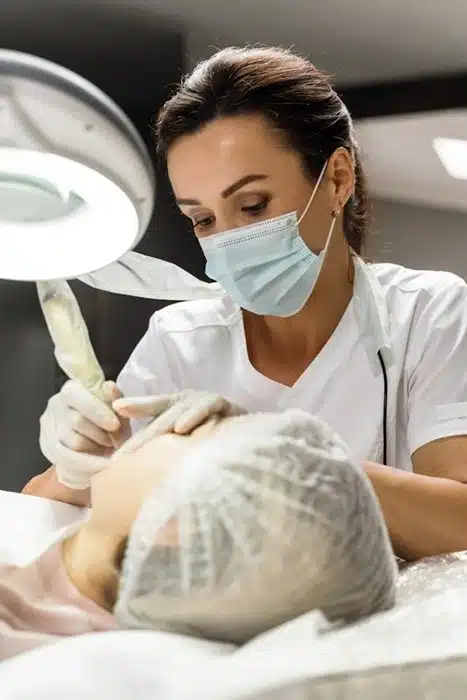
Chemical peels still have their place, especially for pigmentation and sun damage.
Professional-strength peels we're talking 30-70% concentrations create controlled injury that forces rapid cell turnover and collagen remodeling. But they need proper application, appropriate timing, and careful aftercare. Done wrong, they cause hyperpigmentation or scarring.
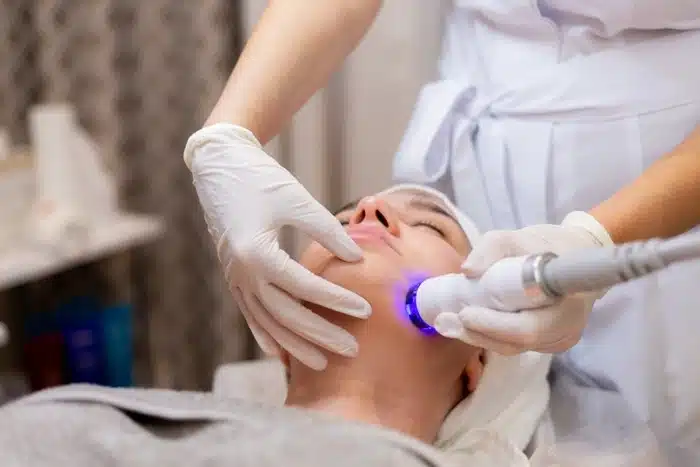
LED light therapy targets different concerns depending on wavelength. Red light stimulates collagen synthesis.
Blue light kills acne bacteria. Near-infrared penetrates deepest for healing. The real power comes from combining these with other treatments enzyme therapy followed by LED, or peels paired with light during the healing phase.
The key difference between all of this and your bathroom routine is customization. Professional protocols account for your specific skin type, concerns, medical history, and how your skin has already responded to previous treatments. What works for someone else's acne might make yours worse.
Source: Magnific.
Finding the Right Professional Guidance
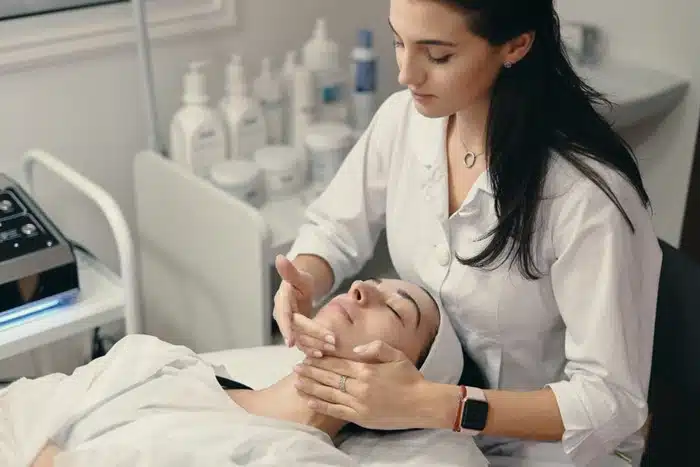
Professional skincare isn't about finding someone to sell you products. It's about finding someone who can assess what's actually happening and create a strategic plan to address it.
A real skin analysis goes beyond looking at your face under bright light. It includes understanding your skin's history what you've tried, what worked, what didn't.
Medical factors matter: hormonal conditions, medications you're taking, stress levels. Your skin doesn't exist in isolation from everything else happening in your body.
At Beauty Republic, they spend real time on initial consultations because that assessment determines everything that follows.
They're looking at barrier integrity, sebum production patterns, inflammation markers, texture variations across different zones, and how your skin responds to gentle manipulation. Misdiagnose the underlying issue and every treatment after that is going to miss the mark.
The questions you ask during consultation matter as much as what your esthetician asks you. A few worth asking:
What specific training do you have in the treatments you're recommending?
What's your philosophy aggressive intervention or working with skin's natural processes?
How do you handle adverse reactions if they happen?
What does follow-up look like after my initial treatment?
Real skin revision takes time. One treatment might give you a nice glow, but lasting change requires consistency.
Source: Unsplash.
Most professional protocols run 8-12 weeks minimum, sometimes longer for severe concerns. Your esthetician should map out a realistic timeline and explain what you should expect at each stage, not promise overnight transformations.
And here's what a lot of people don't realize: home care between sessions determines whether results stick or fade.
Professional treatments jumpstart change, but your daily routine maintains momentum.
Your esthetician should prescribe specific products that complement your in-office work not just recommend their favorites, but explain exactly why those particular formulations support your treatment goals.
When to Stop Fighting Alone
Source: Magnific.
The skincare industry makes money from convincing you that the right product exists if you just keep searching. And maybe it does, for minor concerns.
Recognizing when you've crossed from maintenance into dysfunction isn't failure. It's just understanding the difference between surface care and fixing root causes.
Your skin took time developing these issues. Reversing the damage takes expertise, the right tools, and patience. If your routine stopped working, your skin is telling you it needs more than what you can provide at home. Listen to it.
Conclusion
Source: Magnific.
Most people wait longer than they should before seeking professional help. By the time they book a consultation, they've already spent months—and a lot of money—on things that were never going to work.
The earlier you recognize the signs you need a dermatologist or skin professional, the less damage there is to reverse. Some concerns respond quickly with the right treatment; others take longer because they've been mismanaged for too long.
Your skin history matters. What you've tried, what's failed, what's made things worse—all of it informs the right approach, and a trained professional knows how to read it.
Professional protocols like DMK enzyme therapy don't override your skin's biology. They work with it, restoring the cellular function that makes lasting results possible.
If your skin has been sending signals you haven't been able to answer, you may want to take to the next step and seek for a professional help to solve the problem. A proper consultation is where real skin revision begins.
Disclaimer:
This post may contain affiliate links. I receive a small commission at no cost to you when you make a purchase using my link.