Studying abroad in 2026 looks nothing like it did a decade ago. The destinations, the programs, and the reasons students choose them have all shifted in ways worth paying attention to.
The latest study abroad trends point to a generation that's more deliberate than any before it — not just picking a country, but picking an environment that fits what they're actually building. Career access, cost of living, and life outside the classroom are all part of the calculation now.
Some cities have quietly become the smartest choices for international students. Others that once dominated the conversation are being reconsidered.
This post breaks down where students are going in 2026, what's driving those choices, and what you should factor in if you're planning a move of your own.
How Smart Students Are Choosing Where to Study Abroad in 2026
Source: Unsplash.
What's Driving The Shift
A few things converged to change how students think about studying abroad. Remote learning normalized the idea that your physical location and your academic institution don't have to match.
Visa changes – particularly in the US – made planning more precise. And a generation that grew up on travel content has a much clearer picture of what living somewhere actually looks like before they arrive.
The result is students who choose destinations based on more than reputation. Career access, cost of living, cultural depth, and the quality of the experience outside the classroom all factor in now in ways they didn't before.
Planning Smart While Abroad
Source: Unsplash.
Students studying abroad carry the same workload as those on home campuses.
Research papers and written assignments don't pause because you're in a different city. If anything, the volume of new experiences can make it harder to sit down and write.
Some students find that studying abroad opens up real questions about how to manage written output across different systems and expectations.
If you're ever stuck on a tough assignment, you can search “do my homework at PapersOwl” and find support from experts who understand what you need.
Getting that kind of guidance keeps work on track while you actually absorb the place you're living in. The experience of being abroad is too good to spend it staring at a blank document.
The students who get the most out of studying abroad are the ones who protect their time for being present.
Where to Study Overseas in 2026 for the Best Student Experience
Source: Unsplash.
Studying In The US In 2026
The US remains one of the most chosen destinations for international students, but the approach has changed.
The end of “Duration of Status” visa rules means students now have a fixed period of stay rather than an open-ended timeline. That change has pushed students to plan more precisely from the start.
Austin And The Tech Belt
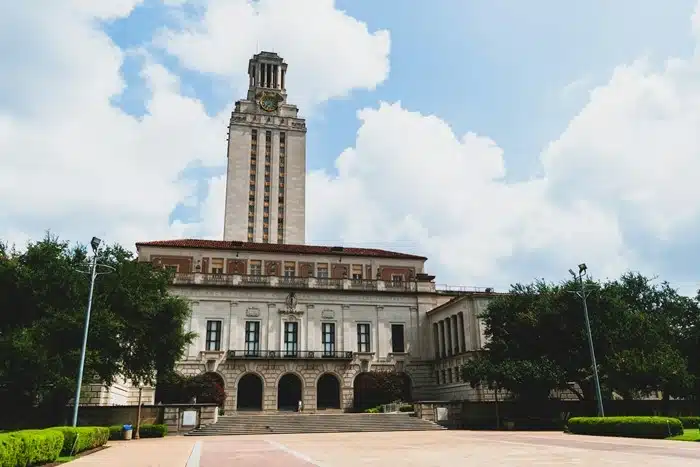
Austin has emerged as a genuine alternative to the coastal cities.
The cost of living is lower than New York or San Francisco, the tech industry is deeply embedded in the city's culture, and UT Austin's programs in business, engineering, and digital media attract students who want proximity to industry from day one.
Source: Unsplash.
California And STEM OPT
California still draws students who want the full immersion – morning lectures, Pacific coast evenings, and one of the most concentrated technology ecosystems in the world.
STEM OPT eligibility, which gives graduates up to three years of post-study work authorization, makes California's universities particularly appealing to students thinking about career access as well as education.
The Ivy League Experience
The Ivy League campuses remain in a category of their own. Studying at Harvard, Yale, or Columbia extends well beyond the academic program – alumni networks, historic institutions, and an intellectual environment that's genuinely different from anywhere else.
Europe's Hidden Study Cities
Source: Depositphotos.
Lisbon in Portugal has become one of the most talked-about study destinations in Europe. It combines affordable living, a genuine creative and tech community, strong university programs, and a quality of life that larger European capitals can't match on the same budget.
NOVA University and Lisbon University both attract significant numbers of international students.
For students interested in sustainability, the Nordic countries – Denmark, Norway, Sweden – offer programs built around environmental science, urban planning, and green business. Copenhagen in particular has positioned itself as a global leader in sustainable design, and the universities there reflect that.
The Emerging Popularity of Asian Cities
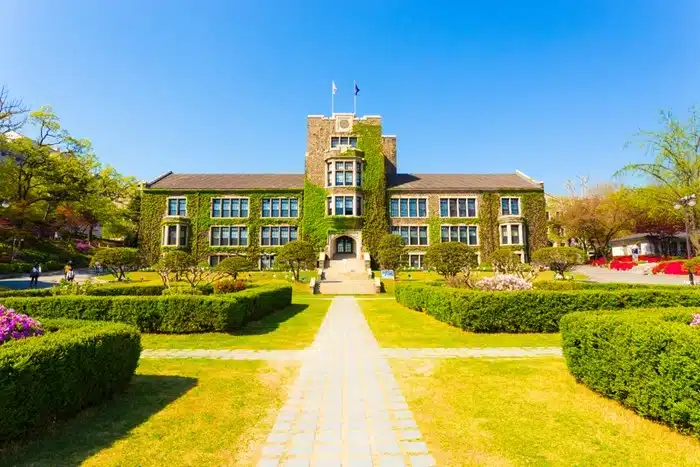
Seoul is increasingly on the radar for students interested in design, media, K-culture industries, and technology.
Yonsei and Korea University have strong English-language programs, and the city itself is one of the most intensely forward-looking urban environments in the world right now.
Source: Depositphotos.
What Students Are Actually Prioritizing
Here's what the study abroad benefits student looks like in terms of what they're choosing:
STEM or STEM-adjacent programs that maintain career pathway options after graduation
Cities with genuine industry access, not just cultural prestige
Shorter, more intensive programs alongside full degrees – micro-credentials and certifications are growing
Digital nomad-compatible setups where some coursework can be done remotely
Destinations with lower cost of living that allow for more time and money spent actually experiencing the place
Study Overseas in 2026
Source: Unsplash.
Fulbright remains the most recognized scholarship for US students going abroad, but 2026 has seen growth in scholarships specifically targeting digital media, sustainability, and creative industries.
Students in these fields now have more funding options than students in traditional academic pathways.
Community Colleges As A Starting Point
For international students coming to the US, community colleges have become a genuinely strategic first step.
Two years at a community college followed by transfer to a four-year university cuts the total cost significantly while still providing the American education experience and pathway to STEM OPT authorization.
The Visa Reality
Source: Depositphotos.
Students heading to the US need to factor in the new F-1 requirements – including mandatory in-person interviews and social media screening covering the previous five years.
Planning the application process at least eight months before your intended start date is now standard advice.
Final Thought
Source: Unsplash.
The way students approach studying overseas has changed — and it's changed for the better. Choosing a destination now means thinking about what comes after the degree, not just the experience of being there.
The study abroad trends shaping 2026 reflect a generation that's done the research, weighed the options, and decided that intentionality beats impulse every time. The cities winning students over aren't always the obvious ones.
Career pathways, cost of living, visa timelines, and industry access all matter as much as the academic program itself. The students getting the most out of it are the ones who treated the decision like a strategy, not a fantasy.
Wherever you land, the experience you get out of it will reflect the clarity you brought into it. The best outcomes abroad don't happen by accident.
If this helped you think through your options, save this post for later or share it with someone who's weighing the same decision.
Disclaimer:
This post may contain affiliate links. I receive a small commission at no cost to you when you make a purchase using my link.