Landing in a new Asian city and not having a working connection isn't a disaster — but it rarely feels great either. The first hour sets the tone for everything that follows.
That's the practical case for thinking about eSIM for traveling in Asia before you board, not after you land. But whether it's actually the smarter move depends on a few things worth knowing first.
This post gets into the real comparison: cost, convenience, coverage, and the travel style factor that most people forget to factor in. Some of it might change how you've been thinking about this.
Organized connectivity vs sorting it out when you get there
Online check-in vs kiosks, queues, and plans
Predictability vs improvisation
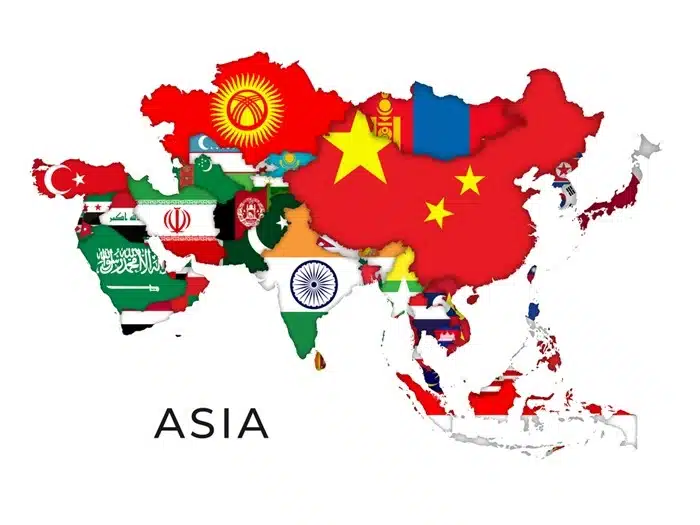
This is an interesting comparison in the Asian region. Network standards differ – what works in Japan or South Korea may not work as well in some parts of Southeast Asia.
So there is no “best” – it depends on how much control you want in the first few hours at the airport.
When eSIM Saves the Day
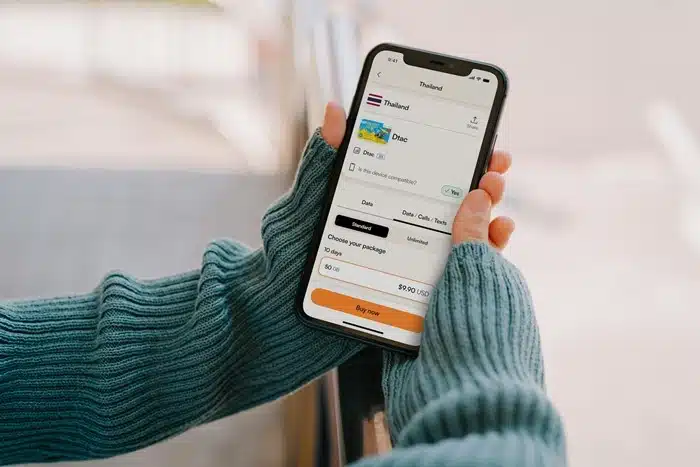
The eSIM makes more sense when traveling to multiple destinations. It’s just easier to travel from Thailand to Indonesia before heading to Singapore with a single data plan, than it is to change SIM cards or purchase new ones.
And then there’s the timing factor. With an eSIM, you can arrive in a new country, turn on your data and get right back to your journey. This might not seem like much, but in reality it can be one of those trickle-down things – particularly if you arrive late, have to deal with unfamiliar transport, or a language barrier.
Another consideration is predictability. You don’t have to worry about what you can find in the area: you know what you’re getting. Coverage, limits, pricing – all nailed down in advance. For those that prefer to control variables, it’s important than a few extra dollars.
Source: Unsplash.
When Physical SIMs are Still Best
Don’t make the mistake of thinking eSIM is the new and only thing.
If you’re in one country for a longer trip, particularly with very low data rates, physical SIMs are generally cheaper. Local providers occasionally have unbeatable plans, especially in places with active competition in the telecom industry.
There’s the occasional compatibility issue. Nearly all new phones have eSIM support, but not everyone is rocking the latest model.
And even for those who do, not all are tech-savvy enough to navigate settings and profiles.
Then there’s the human factor. Some travelers just don’t want to deal with the SIM card, they don’t want to have to go to a counter and speak to a person. It might be slower, but for some people it feels safer.
Source: Unsplash.
The Hidden Variable: How You Travel
The trick to all this is that it’s not the technology that matters, but how you travel.
If you have a plan (reservations, transportation, little room for surprise) then being connected is just a minor consideration. Then, both options are fine.
If, however, your trip is more dynamic, traveling from one place to another with only vague plans, having a connection becomes more important. It’s essential for navigation, booking and communication. So, eSIM becomes a must-have.
A detailed Asia travel eSIM comparison can help sort out which plans are best for travel in different countries because all eSIMs don’t work equally well in different regions.
What People Tend to Misjudge
Source: Unsplash.
It’s easy to think that you can find connectivity later. Technically, that’s true.
But practically, it usually happens at the wrong time – after a tiring flight, in a strange city, when you’re feeling stressed.
The other common mistake is to try to save money. You don’t save much money on a new SIM card if it comes at the expense of time, comfort, or frustration.
Travel is a ripple effect; it has a domino effect on the rest of the trip.
So, Is eSIM Worth It?
For travel plans involving short stays or multiple countries, or those who want a seamless arrival experience – yes, almost always.
For longer stays in a single country, particularly if it’s easy and affordable to top up local data – probably not.
The thing to remember isn’t that one choice is superior. It’s that the incentives have changed. eSIM makes it pre-trip, and SIM cards make it post-arrival.
And once you think of it like that, it’s not a technology decision, but a question of when it’s preferable to put in the effort – before or after you arrive.
Source: Unsplash.
Conclusion
The eSIM vs physical SIM debate doesn't have a universal winner. It has a right answer for your specific trip.
If you're hopping between countries or want everything sorted before you land, eSIM for Asia travel is hard to argue against. If you're settling into one place for a while, a local SIM will likely cost less and work just as well.
The bigger point is this: connectivity isn't just a convenience on the road. It's the thing that keeps the rest of your plans from unraveling at the wrong moment.
Don't make the decision at the airport, tired and rushed. Make it now, when you have time to think it through.
If you found this helpful, share it with someone planning their next Asia trip — it might save them the hassle of figuring it out the hard way.
Disclaimer:
This post may contain affiliate links. I receive a small commission at no cost to you when you make a purchase using my link.