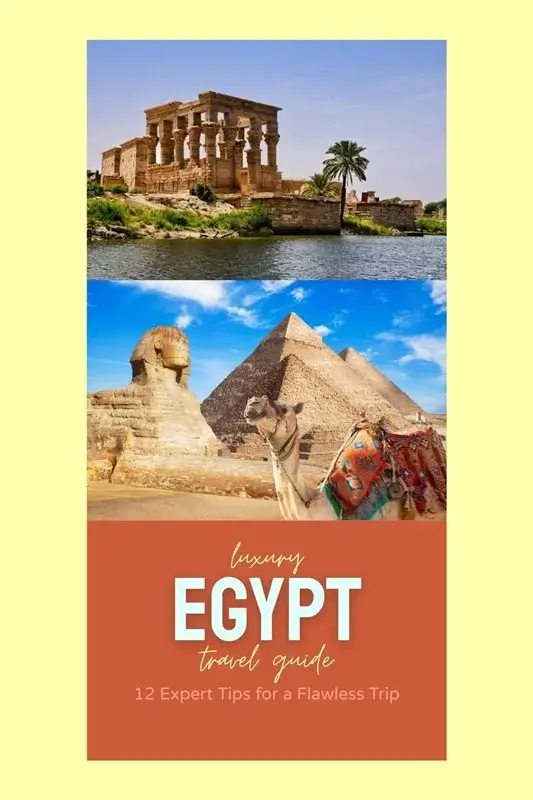
Egypt is one of those rare destinations where your money goes remarkably far, from elegant riverside hotels to private guides and Nile cruises. That makes it the perfect place to splurge a little and travel in genuine comfort, often for a fraction of what a similar trip would cost elsewhere.
A useful first step is to look through a few luxury Egypt tours packages to see how itineraries are commonly structured and paced.
Even if you plan to build your own trip, these outlines give a realistic sense of how many nights to spend in each city and which experiences are usually included.
This guide walks you through the decisions that shape the whole experience, from choosing the right season and Nile boat to finding a great guide and budgeting sensibly.
Along the way, you’ll find a few private experiences and quieter escapes that can turn a good trip into an unforgettable one.
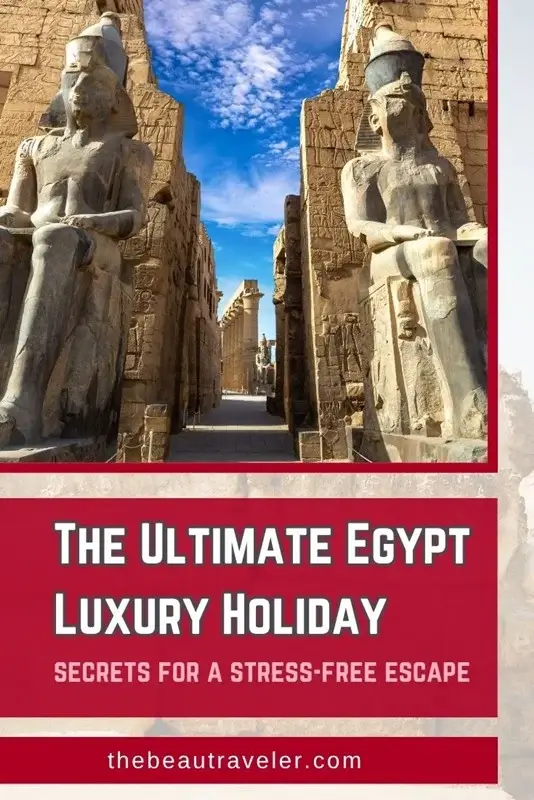
The Ultimate Egypt Luxury Holiday Secrets for a Stress-Free Escape
Source: Egypt Holiday Makers.
Choose the Right Season
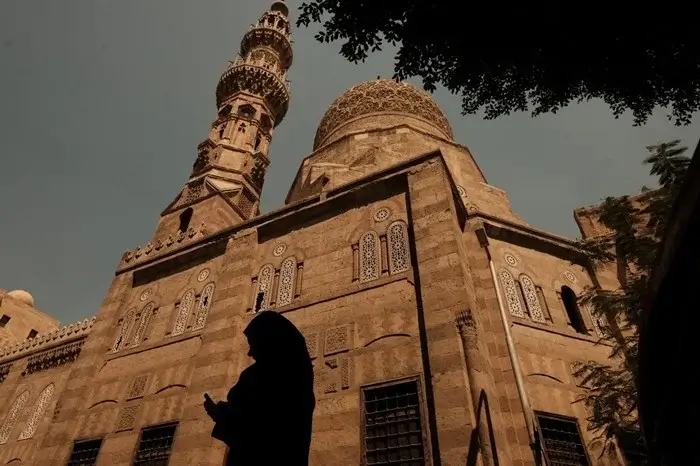
When you travel can make a big difference to how comfortable your Egypt trip feels. The main travel season runs from October through April, when temperatures are generally more pleasant, with mild days and cooler evenings.
December and January are especially busy, with Christmas and New Year in Egypt bringing higher demand for popular hotels and Nile cruises.
For a more relaxed experience, consider traveling in late October, November, or March. These months can offer a good balance of comfortable weather and fewer crowds at major attractions.
Summer is considerably hotter, particularly in Upper Egypt, but it can also mean more availability and attractive rates at upscale hotels and Nile cruises. If you choose to travel during this period, plan sightseeing for the early morning and leave the hottest part of the day for relaxing by the pool or taking a break.
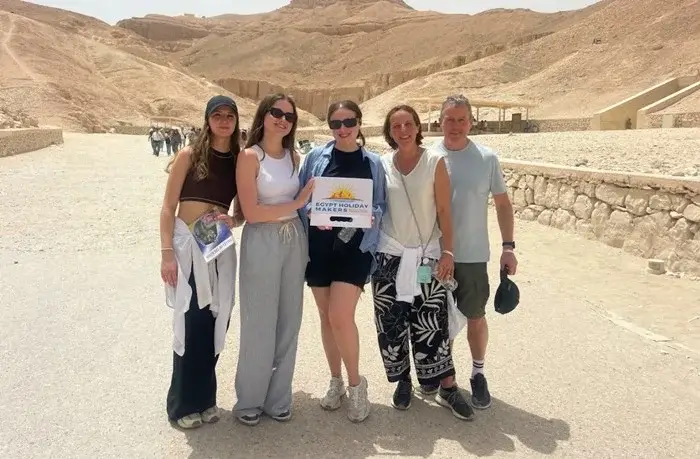
If you're planning around specific dates, Egypt Holiday Makers can help you choose the right travel period and arrange your Egypt itinerary around the season, your preferred pace, and the experiences you want to include.
Source: Pexels.
Build an Itinerary With Breathing Room
Many first-time visitors try to fit too much into a single week. A more comfortable structure for a luxury trip often looks like this:
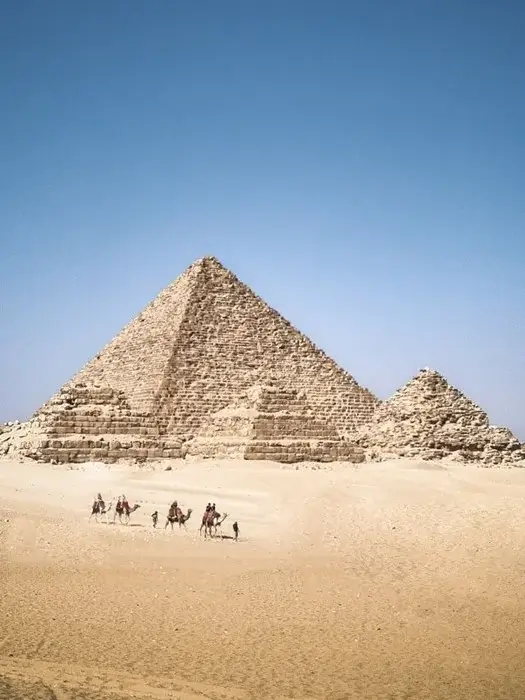
Cairo and Giza: three nights, covering the pyramids, Saqqara, the Grand Egyptian Museum and historic Cairo.
A Nile journey between Luxor and Aswan: three to four nights, either on a cruise ship or a smaller traditional sailing boat.
Extra time in Luxor or Aswan: one or two nights on land to explore at a slower pace.
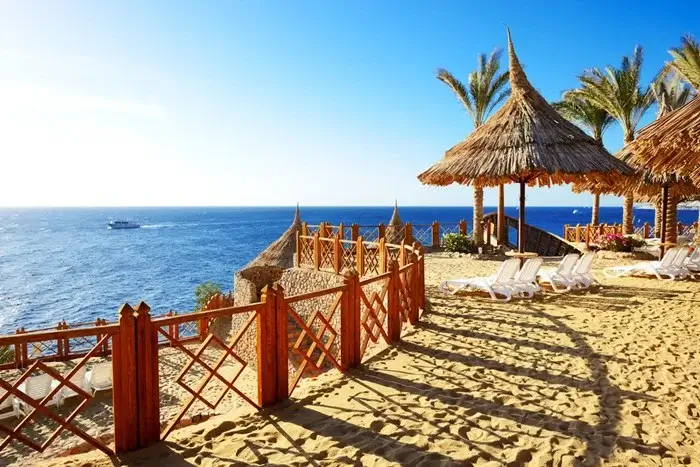
An optional Red Sea extension: three or more nights to rest at the end of the trip.
This works out to roughly ten to fourteen days. Shorter trips are possible, but they tend to rely on early flights and long touring days, which works against the whole idea of a relaxed, comfortable journey.
Source: Pexels.
Accommodation: History, Views and Service
Egypt has several historic hotels that are attractions in their own right.
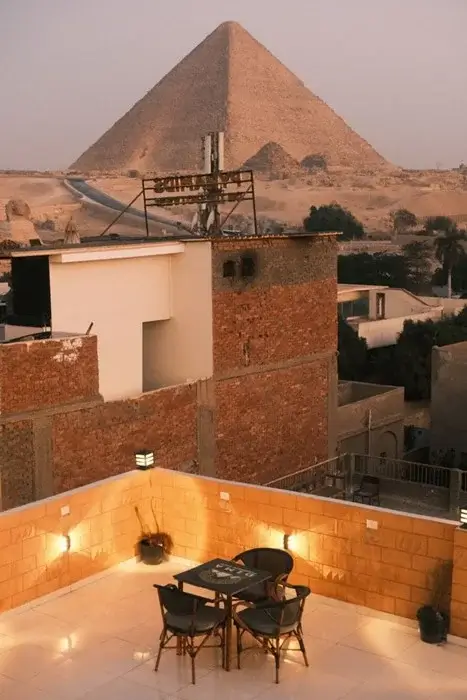
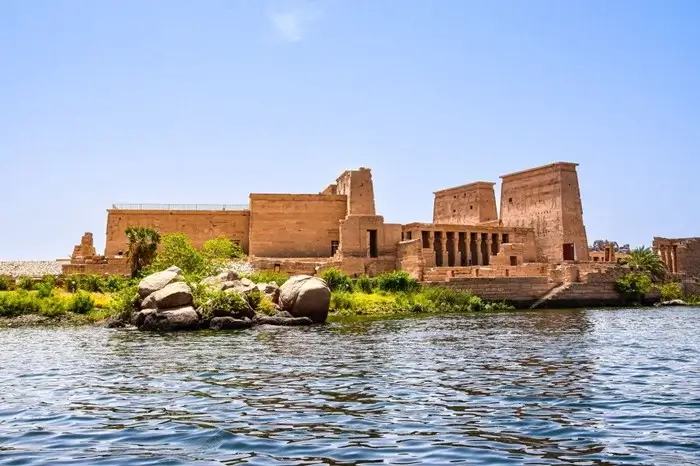
In Giza, some properties offer direct views of the pyramids from the garden or the room. In Luxor and Aswan, grand hotels from the early twentieth century overlook the Nile and have hosted royalty, writers and archaeologists for generations.
Newer resorts along the river and on the Red Sea coast focus more on space, pools and spa facilities.
When comparing options, it helps to think about:
View and location. A Nile-view or pyramid-view room can shape the feel of your entire stay.
Distance to the sites. In Cairo, traffic can easily add an hour to a journey, so location matters.
Noise. Riverside hotels near busy corniche roads can be loud in the evening.
Recent reviews. Service standards vary between properties, even within the same hotel group.
Source: Pexels.
Decide How to Travel the Nile
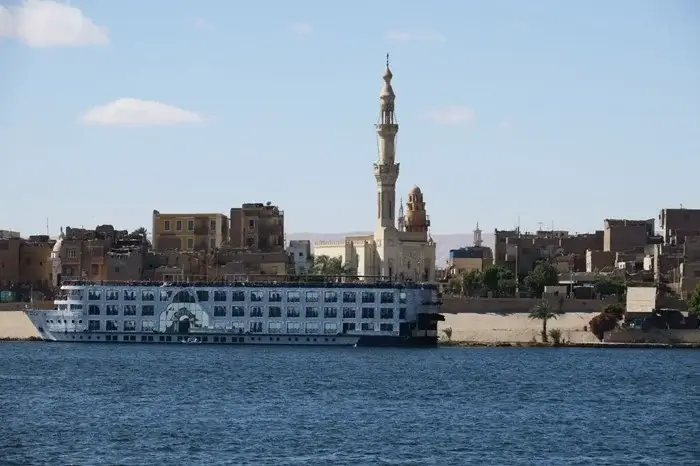
The Nile journey is often the centerpiece of the trip. Upscale Nile cruise ships usually offer spacious cabins, a pool deck and a set daily program of guided visits.
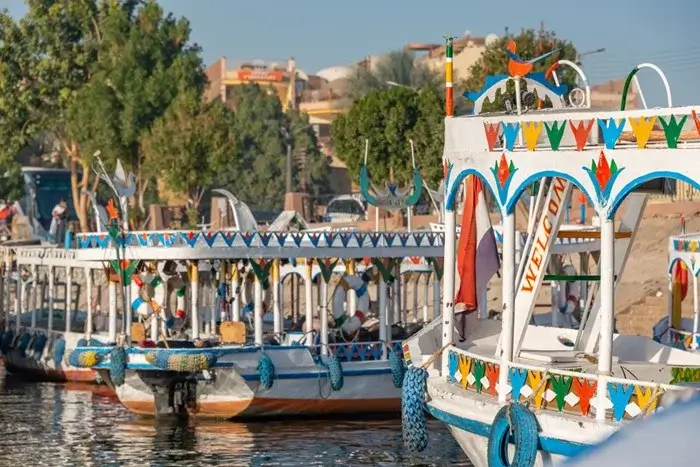
Dahabiyas, traditional sailing boats with only a handful of cabins, offer a more intimate experience, with stops at smaller sites and quieter moorings away from the main docks.
A few questions help narrow the choice. Do you want a larger boat with more facilities, or a smaller one with a personal atmosphere? Are you happy with a fixed schedule, or would you rather have flexibility? How much do the food and service style matter to you? Answering these early helps avoid disappointment later.
Source: Pexels.
Invest in a Private Egyptologist Guide
A private guide is one of the most worthwhile investments on a high-end trip.
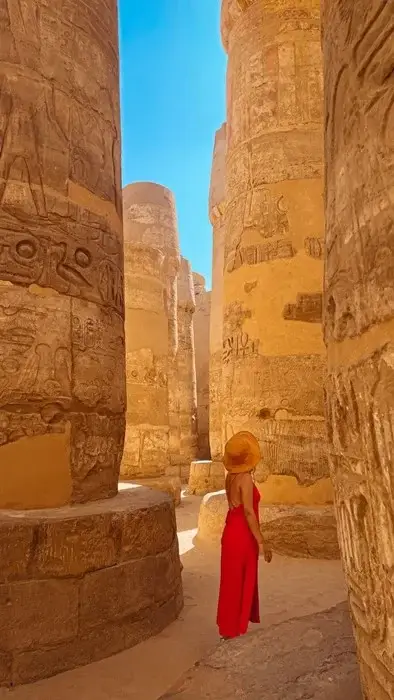
Licensed Egyptologists are trained in history and archaeology, and a good one can read hieroglyphs, explain the politics behind a temple's construction, and time visits to avoid the busiest hours.
When arranging a guide, ask whether they can adjust the day to your interests, whether they speak your language fluently, and whether they are comfortable with a slower pace if you want to linger at a particular temple or tomb.
Source: Pexels.
Private Experiences Worth Considering
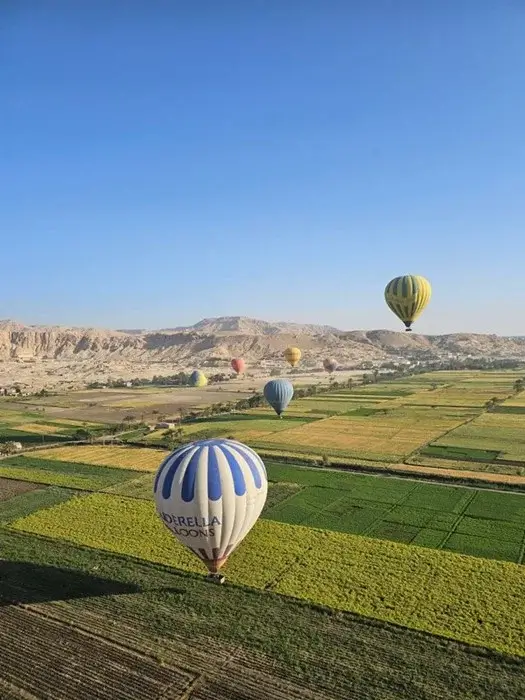
An early-morning hot air balloon flight over Luxor's west bank.
Special entry tickets for exceptional tombs in the Valley of the Kings, such as the tomb of Seti I.
A private felucca sail around the islands of Aswan at sunset.
A short flight to Abu Simbel instead of the long road journey.
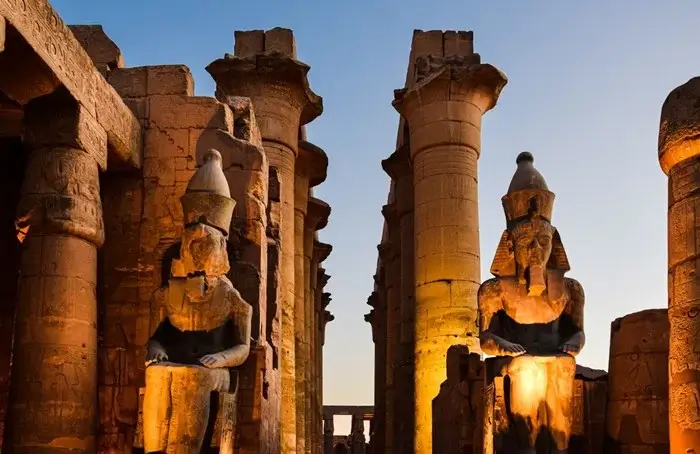
An evening visit to a lit temple, such as Luxor Temple after dark.
Not all of these will suit every traveler, and availability can change from season to season, so treat them as options rather than essentials.
Source: Pexels.
Food and Dining
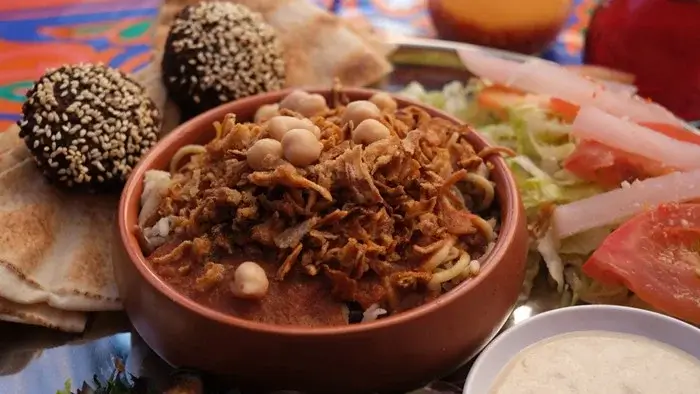
Egyptian food is one of the pleasant surprises of the country. Beyond hotel restaurants, try koshari, ful medames, freshly baked baladi bread, grilled fish on the Red Sea coast and slow-cooked dishes such as molokhia.
Many upscale hotels host Egyptian-themed dinners, but asking your guide about a well-regarded local restaurant often leads to a more memorable meal.
Stick to bottled or filtered water, and be cautious with raw salads and unpeeled fruit early in the trip, particularly outside major hotels.
Source: Depositphotos.
Etiquette, Dress and Tipping
Egypt is welcoming, but conservative dress is required in many settings.
Modest clothing that covers shoulders and knees is appropriate in cities and at religious sites, and women will need a headscarf to enter mosques. Lightweight long sleeves and linen trousers are comfortable and practical in the sun.
Tipping, known locally as baksheesh, is part of everyday life. Guides, drivers, boat crews and hotel staff generally expect a tip, and keeping small bills on hand makes this easier. Many travelers set aside a daily tipping budget so they don't have to think about it at every stop.
Source: Pexels.
Budgeting Realistically
Luxury travel in Egypt covers a wide range. Costs depend on hotel category, whether the Nile section is on a large ship or a small dahabiya, how many domestic flights are included, and how much private guiding you choose. Entrance fees at major sites have risen in recent years, and special tomb tickets add to the total.
Build in a buffer of ten to fifteen percent for tips, special tickets and unexpected extras. That small margin keeps the trip feeling relaxed rather than carefully rationed.
Getting Around in Comfort
Source: Depositphotos.
Distances in Egypt are long, and how you travel between cities shapes the feel of the trip.
Domestic flights connect Cairo with Luxor, Aswan, Hurghada and Sharm El Sheikh in around an hour, which saves a full day compared with road travel. The overnight sleeper train between Cairo and Upper Egypt is a characterful alternative, though comfort is more basic than a good hotel.
Within cities, a private car and driver is the most relaxed option, particularly in Cairo where traffic can be intense.
Many travelers arrange airport meet-and-assist services, where a representative helps with the visa counter and luggage, which removes much of the stress of arriving in a busy airport late at night.
Adding the Red Sea or the Desert
Source: Depositphotos.
After a week of temples and early starts, a few days of rest can make the whole trip feel more balanced.
The Red Sea coast offers resorts with private beaches, spas and some of the world's most admired coral reefs for snorkeling and diving. Marsa Alam and El Gouna tend to feel calmer than the busier parts of Hurghada and Sharm El Sheikh.
For a very different kind of luxury, the Western Desert offers eco-lodges and desert camps. Siwa Oasis, with its salt lakes, palm groves and mud-brick architecture, suits travelers who value stillness and space over conventional hotel facilities.
Traveling for a Special Occasion
Source: Pexels.
Egypt is a popular choice for honeymoons, milestone birthdays and anniversaries.
If you are celebrating, mention it early when booking hotels and boats, as many can arrange private dinners, room upgrades or small touches such as a sunset sail. Planning these details in advance usually works far better than asking on arrival.
Final Thoughts
Source: Pexels.
A luxury trip to Egypt comes down to a handful of decisions made well: traveling in the right season, allowing enough time and choosing your hotels and Nile boat with care. Get those right and the rest tends to follow naturally.
A private Egyptologist, a few carefully chosen experiences and smooth transfers between cities will do more for your trip than any gold-plated extra. It’s the absence of rushing, queuing and guesswork that makes the journey feel truly special.
Leave room for the quieter moments too, whether that’s a sunset felucca sail in Aswan, a slow dinner at a local favorite or a few lazy days on the Red Sea. These are often the memories that stay with you longest.
With realistic budgeting and a small buffer for tips and special tickets, you can relax and enjoy every stop without counting every pound. That freedom is what lets you stand in front of a 3,000-year-old temple without watching the clock.
Ready to start planning? Pick your travel dates, shortlist the experiences that excite you most and save this guide so it’s on hand when you’re ready to book.
Disclaimer:
This post may contain affiliate links. I receive a small commission at no cost to you when you make a purchase using my link.