Portland didn't show up on my radar the way other cities usually do. No glossy magazine spreads, no Instagram algorithm push, just a friend mentioning offhand that Portland felt real in a way most U.S. cities don't anymore.
So I went. And here's the thing about traveling to Portland, Oregon: it rewards the unprepared traveler almost as much as it does the planner.
This guide covers what actually matters — the neighborhoods worth your time, the coffee and food scene, the safety questions people are too polite to ask out loud, and the practical stuff like getting around without a car. No filler, no postcard spin.
Maybe you're wondering if it's safe, if it's worth it, if it lives up to the hype or if that hype even exists anymore. Let me walk you through what actually matters when you vacation in Portland, especially if this is your first time.
Your Ultimate Portland Travel Guide for First-Timers
Getting Your Bearings: What Portland Actually Feels Like
Portland doesn't have the in-your-face energy of New York or the glossy sheen of San Francisco.
It's one of the most walkable cities in the US, with several neighborhoods scoring in the mid-to-high 90s on walkability, meaning staying in the right neighborhood means not needing a car for most of what you'd want to do during a trip. That's huge if you're traveling solo or just prefer exploring on foot.
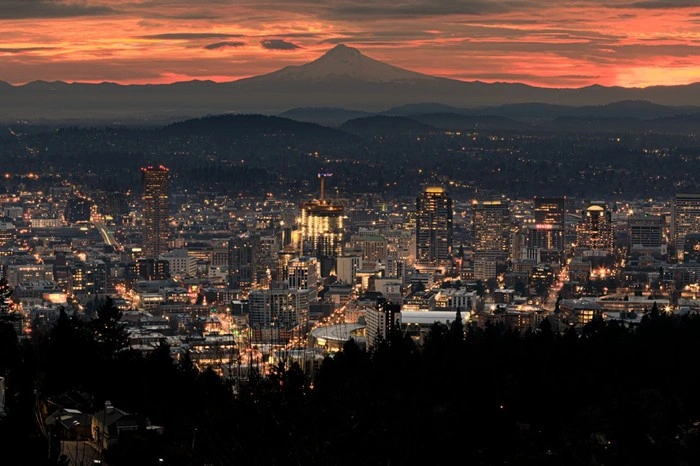
The city is split by the Willamette River, with most of the tourist action happening on the west side downtown and spreading into neighborhoods like the Pearl District and Northwest (also called Nob Hill).
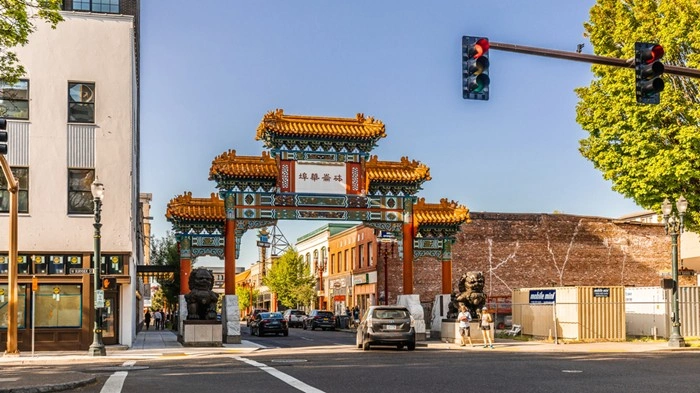
The Pearl District scores around 97 on Walk Score and is a former industrial area north of Downtown that's now a dense urban neighborhood with upscale condos, galleries, breweries, and some of the city's best restaurants and bars within easy walking distance.
Think wide sidewalks, coffee shops every two blocks, and people who actually make eye contact.
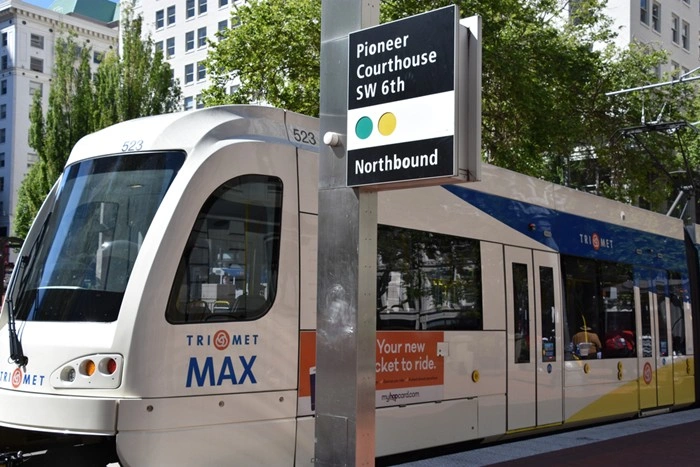
MAX Light Rail has five lines connecting Downtown to the airport, north Portland, east Portland, and Beaverton, with service available through TriMet's trip planner covering all MAX and bus routes.
Source: Depositphotos.
I'm not going to lie and say the public transit is Tokyo-level, but it works. You can get from the airport to downtown without spending $60 on a rideshare, and that alone makes Portland feel accessible in a way a lot of West Coast cities don't.
The vibe is laid-back but not lazy. People are friendly without being intrusive. There's a strong DIY ethos that shows up in everything from the food cart scene to the independent bookstores.
And yes, it rains, but not the way you think. It's more of a persistent mist than a downpour, and locals just layer up and keep moving.
Where to Actually Spend Your Time
Source: Depositphotos.
Let's be practical.
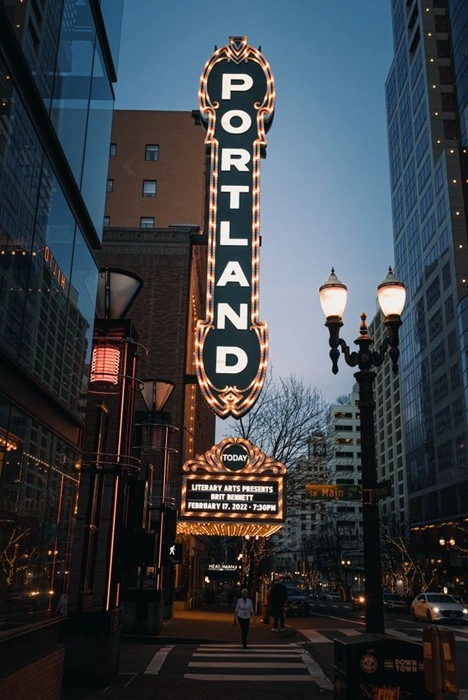
Portland's restaurants have been described as a critical contributor to the travel economy, and the city boasts attractions such as the Portland Japanese Garden, Oregon Museum of Science and Industry, Oregon Zoo, Powell's Books, Lan Su Chinese Garden, the historic Pittock Mansion, and a lot of Portland escape rooms to kill the time.
Powell's City of Books deserves its reputation. It's massive, genuinely overwhelming, and the kind of place where you can lose two hours without realizing it. If you're into coffee, you're in the right city.
Portland is known for having an established coffee culture, with more than 30 coffee roasters as of 2012, and has been described as having the country's most intimate coffee scene that's also one of the most relaxed.
Source: Pexels.
Solo female travelers will find Portland generally comfortable to navigate during daylight hours. The food cart pods are a legitimately good way to eat well without dropping $50 on dinner.
The carts rotate, the quality varies, but you'll find everything from Thai to Venezuelan arepas to vegan comfort food.
Forest Park is one of the largest urban forests in the United States at more than 5,200 acres. If you need to decompress after too much city stimulation, the trails are right there. No car rental, no elaborate planning, just walk northwest until the buildings thin out.
The Safety Conversation Nobody Wants to Have (But Should)
Source: Depositphotos.
Look, I'm not going to sugarcoat this. Portland's reputation took a hit over the past few years.
Portland is struggling like many other large cities with an increase in violent crime, with 2020 and 2021 being particularly rough years, but 2025 saw a 17% drop in crime and 51% drop in homicides, with new initiatives to fight crime and keep police staffing at safe levels.
The answer to whether Portland is safe depends entirely on the type of crime—violent crime has seen a dramatic and positive turnaround with Portland leading the nation in its rate of homicide reduction, though property crime remains a persistent, high-level problem. Translation: don't leave your laptop visible in your rental car, and you'll probably be fine.
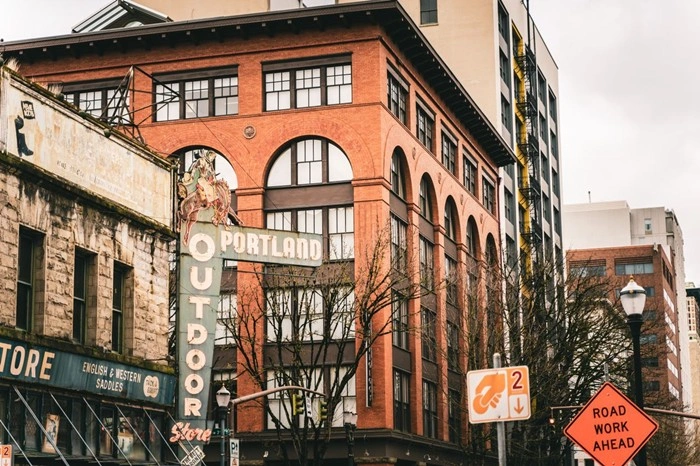
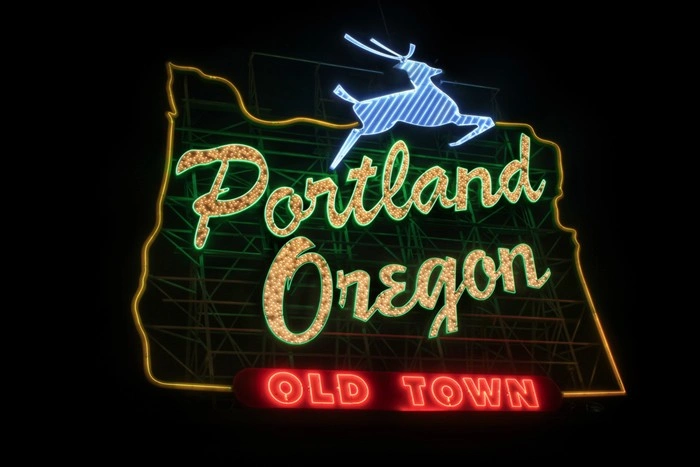
Downtown and Old Town can feel sketchy after dark, especially if you're alone.
Source: Depositphotos.
Downtown sees a high volume of property crimes and assaults due to its role as the commercial and transit center, while Old Town/Chinatown, with its dense population and bustling nightlife, is particularly known for being a hotspot for offenses ranging from theft to drug-related crimes. Stick to well-lit areas, trust your gut, and you'll navigate it the same way you would any major city.
Homelessness is visible. It's uncomfortable. It's a systemic issue that one tourist can't solve.
The CDC tracks health impacts related to housing instability nationwide, but on the ground in Portland, it means you'll see tents, you'll be asked for money, and it might not match the postcard version of the city you had in your head.
Practical Stuff That Actually Matters
Source: Depositphotos.
The Portland region welcomed 8.5 million person-trips in 2025, with visitors to the Portland metro area generating $5.5 billion in direct spending. That means the infrastructure exists to handle tourists, even if the city doesn't feel overrun.
Oregon has no sales tax. That means the $4 coffee is actually $4, not $4.73 after tax and tip shenanigans. It's a small thing, but it adds up.
Tipping culture is standard 18-20% for sit-down service, and many places have shifted to counter service where you're prompted to tip before you've even tasted the food. Do what feels right.
The weather is temperate. NOAA data shows Portland averages around 43 inches of rain per year, but it's spread out over many months.
Pack layers. A waterproof jacket matters more than an umbrella. Locals don't really use umbrellas, and you'll out yourself as a tourist if you do.
Airport to downtown is easy.
You can take the MAX light rail to the airport, to Hillsboro where there's an Intel campus, or to Beaverton where shoe giant Nike has its headquarters.
The MAX Red Line runs straight from PDX to downtown for around $2.50. It takes about 40 minutes. There's no reason to spend $50 on a cab unless you're hauling serious luggage.
What Portland Isn't
Source: Pexels.
Portland isn't Seattle. It's smaller, less tech-bro energy, more approachable. It isn't San Francisco. It's flatter, wetter, and less expensive.
It isn't the quirky utopia Portlandia made it out to be, but it's not the disaster zone some headlines suggest either.
It's a mid-sized city that still has decent public transit, independently owned businesses, and neighborhoods that feel like neighborhoods instead of just collections of AirBnBs.
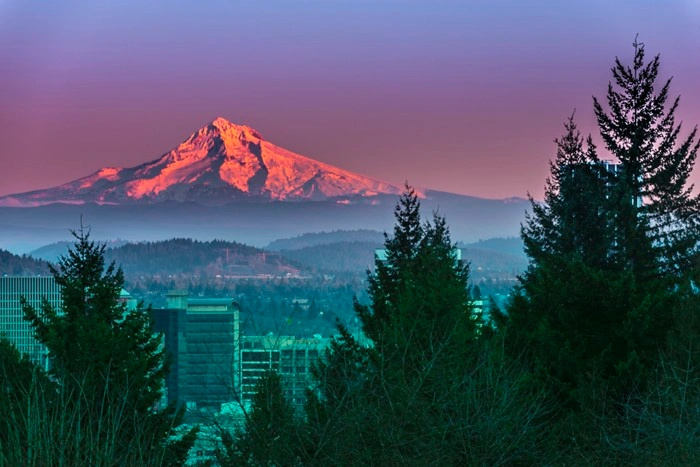
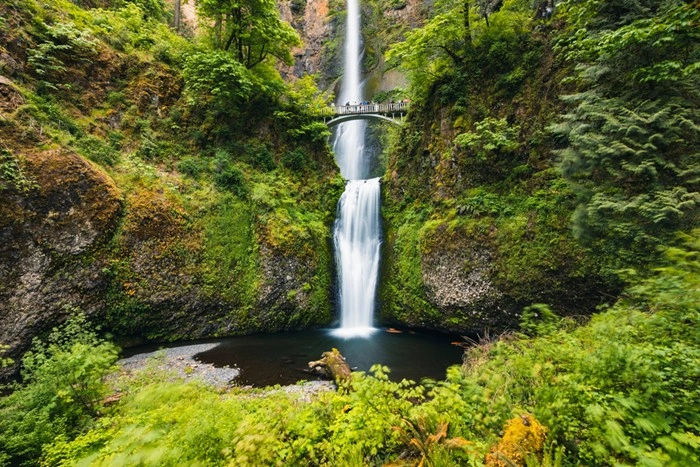
Portland's proximity to the Columbia River Gorge, Mount Hood, Willamette Valley and the Oregon Coast attracts outdoor enthusiasts seeking hiking, skiing, mountain biking and wind-surfing activities, making it a solid base for exploring the Pacific Northwest without constantly packing and unpacking your suitcase.
If you're looking for a city that requires zero effort and spoon-feeds you the experience, Portland might frustrate you.
But if you're okay with a little rain, willing to explore beyond the main strips, and curious about what an American city looks like when it hasn't fully gentrified into blandness, Portland has something to offer.
Conclusion
Source: Depositphotos.
Here's what nobody tells you before you land in Portland: the city doesn't try to sell you anything. It just lets you wander into a food cart pod at 9pm and figure out the rest yourself.
That's the whole appeal. You're not dodging tourist traps or fighting crowds for a photo op — you're just in a city that's still being lived in by the people who live there.
Traveling to Portland, OR isn't about checking off a list. It's rain jackets over umbrellas, black coffee that actually tastes like something, and a park the size of a small country if you need to disappear for an afternoon.
Will you see things that don't match the postcard? Sure. But that's kind of the point — this isn't a city built for Instagram, it's one built for people who actually want to be there.
So save this guide before you forget it, send it to whoever you're dragging along, and go find out what all the fuss (and the rain) is actually about.
Disclaimer:
This post may contain affiliate links. I receive a small commission at no cost to you when you make a purchase using my link.