There is something quietly remarkable happening at weddings, birthday parties, corporate retreats, and family reunions across the country. Guests are no longer passive observers waiting for a professional photographer to deliver a single curated album weeks later.
Instead, they are active contributors, capturing candid moments from dozens of perspectives and sharing them the moment they happen. Online photo sharing for events has quietly become the missing piece that turns scattered phone galleries into one collective story.
This shift isn't just about convenience. It reflects a deeper cultural appetite for authenticity, connection, and the kind of spontaneous storytelling that no single lens can fully capture on its own.
So what does it actually take to pull this off at your next gathering, and why does it work so well? Here's what's changing, and how to make it work for you.
Why Photo Sharing for an Event Just Got So Much Easier
Source: Unsplash.
The Limits of Traditional Event Photography
For decades, hiring a professional photographer was considered the gold standard for preserving important life events. And professional photographers still bring undeniable value: technical expertise, artistic vision, and the ability to capture a room with intentionality.
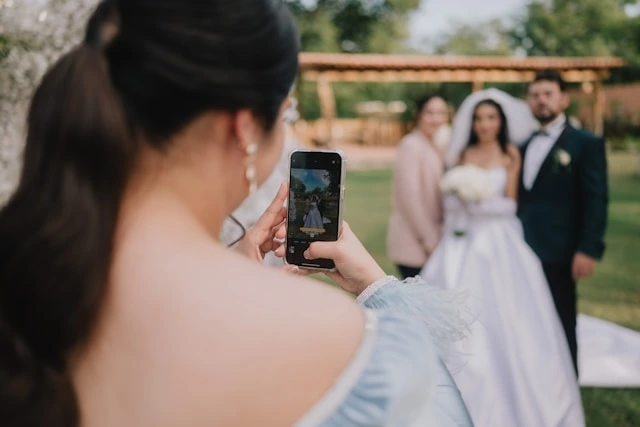
But even the most skilled photographer cannot be everywhere at once. They miss the grandmother wiping away a tear in the corner, the children doing something hilarious under the buffet table, or the spontaneous group of old friends reuniting on the dance floor.
These are the moments that guests remember most vividly, and they are the moments most likely to slip through the cracks of a traditional photography setup. The result is a beautiful but incomplete record of what was actually a rich and layered experience.
Source: Unsplash.
Why Crowd-Sourced Photography Has Become So Compelling
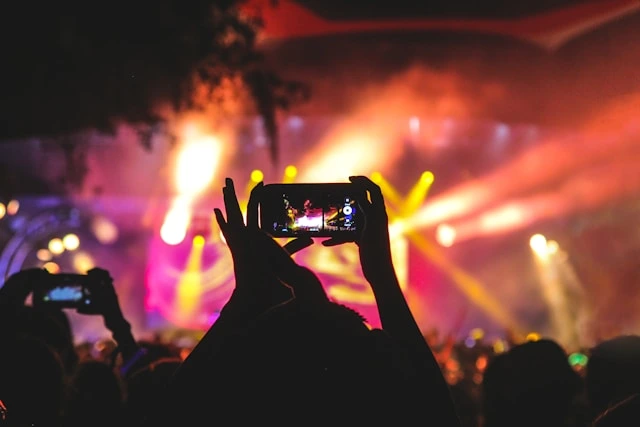
The rise of smartphone cameras has fundamentally changed what is possible at a social gathering.
Today, virtually every guest arrives with a high-resolution camera in their pocket, capable of producing images that would have required professional equipment just a decade ago.
The challenge has never been capturing the moments. The challenge has been collecting, organizing, and sharing them in a way that feels effortless rather than chaotic.
Group chats and social media platforms offer partial solutions, but they come with friction: privacy concerns, algorithmic interference, and the sheer difficulty of consolidating images scattered across multiple platforms and personal devices.
What event hosts and guests alike have been searching for is a simpler, more elegant system.
Source: Unsplash.
The Role of QR Code Technology in Streamlining Photo Collection
This is where modern technology has stepped in with a genuinely practical answer.
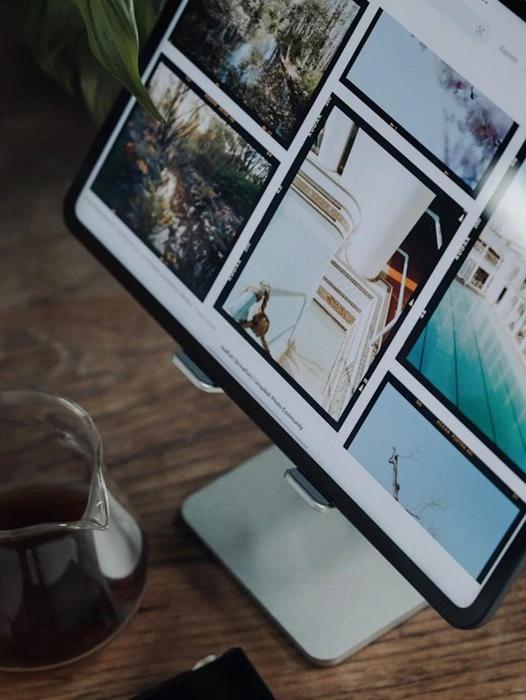
Using a qr code for photo sharing at an event allows hosts to create a single, unified digital space where every guest can upload their photos instantly, without downloading an app or creating an account.
The process is frictionless by design. A guest scans a code displayed on a table card, a welcome sign, or even a napkin, and they are immediately connected to a shared gallery. This approach removes the barriers that have historically made crowd-sourced photography feel more like a logistical headache than a feature.
When participation is easy, participation rates rise dramatically, and the resulting collection of images becomes far richer and more representative of the actual event experience.
Source: Unsplash.
The Social and Psychological Benefits of Shared Memory-Making
Beyond the practical advantages, there is meaningful research supporting the idea that collective memory-making strengthens social bonds.
According to Pew Research Center, the ways people document and share personal experiences are closely tied to how they maintain relationships and build community over time.
When guests contribute to a shared photo collection, they are not simply uploading files. They are participating in a collaborative act of storytelling. They are saying, “I was here, and this is what I saw.”
That act of contribution creates a sense of ownership and investment in the event itself. It deepens the emotional resonance of the gathering long after the last guest has gone home.
Hosts who facilitate this kind of shared experience often report that guests feel more connected to both the event and to each other as a result.
Source: Unsplash.
Practical Tips for Making Shared Photo Galleries Work at Your Event
Creating a successful shared photo experience does not require a large budget or technical expertise, but it does benefit from a little intentional planning.
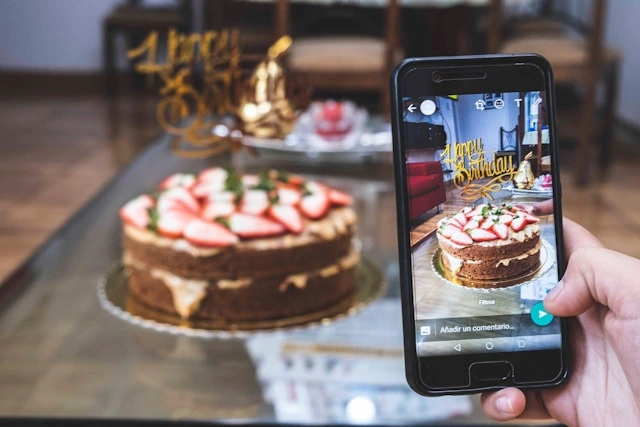
First, make the QR code visible and accessible. Place it in multiple locations throughout the venue, including at the entrance, on dining tables, and near any focal points like a cake table or photo backdrop.
The more visible the code, the higher the participation rate. Second, consider adding a brief, friendly note explaining what the code is for. Many guests, particularly those who are less tech-savvy, will engage enthusiastically once they understand the concept.
Third, designate a moment during the event to encourage participation verbally. A brief announcement from the host or emcee reminding guests to scan and upload can significantly boost contributions.
Finally, plan what you will do with the gallery after the event. Whether you create a printed photo book, share a digital link with all attendees, or simply preserve the collection privately, having a clear intention for the archive gives the entire effort more meaning and purpose.
Source: Unsplash.
Looking Ahead: The Future of Event Photography
The tools available for collaborative photo sharing will only continue to improve.
As artificial intelligence becomes more sophisticated, shared galleries will likely offer features like automatic sorting by subject, face recognition to help guests find photos of themselves, and smart highlight reels assembled from crowd-sourced content.
The fundamental idea, however, will remain the same: the best record of a meaningful event is one built from multiple perspectives, not just one.
Professional photography and crowd-sourced guest photography are not competing approaches. They are complementary ones. Together, they create a fuller, more honest portrait of an experience that matters to the people who were present.
Ultimately, the way we document our celebrations says something important about what we value.
When we invite guests to participate in capturing a moment, we are acknowledging that their perspective has worth, that their presence contributed something irreplaceable to the occasion. That is a generous and meaningful gesture, and it is one that modern technology has made easier than ever to act on.
The memories are already being made. The only question is how many of them you choose to keep.
Disclaimer:
This post may contain affiliate links. I receive a small commission at no cost to you when you make a purchase using my link.