Skin routines aren't just about fixing problems anymore. Lately, it's more about stopping problems before they even show up.
That shift has a name—”pre-juvenation”—and it's built around one idea: micro-treatments for skin that stay steady, balanced, and a little younger for longer. Not frozen. Not fake. Just maintained.
The first time you hear about it, you might think, isn't this overdoing it? I thought so too, until I saw the results—people who just look rested, not altered.
So where's the line between subtle maintenance and going too far? That's exactly what we're unpacking below.
The Ultimate Guide to the Best Skin Treatment You're Probably Not Doing Yet
Source: Unsplash.
The quiet shift: from correction to prevention
There was a time when people only went for aesthetic treatments when lines were already visible.
Now? You’re seeing people in their 20s and early 30s doing “light maintenance” sessions. Tiny adjustments. Subtle boosts. Almost invisible work.
The first time you hear about it, you might think, wait, aren’t we overdoing this? I honestly thought that too. It felt like skincare was becoming… too clinical.
But then you see the results—people who just look rested, not altered—and you start questioning your assumptions.
According to the American Academy of Dermatology, “preventive skincare strategies can help delay visible signs of aging when introduced early and appropriately.”
That word appropriately matters a lot here. Because overdoing micro-interventions? That’s where things go wrong.
And that’s the tension in pre-juvenation: subtle benefit vs. overcorrection.
Source: Depositphotos
What “micro-treatments” actually mean
Let’s keep it practical. Micro-treatments aren’t one thing. They’re more like a category:
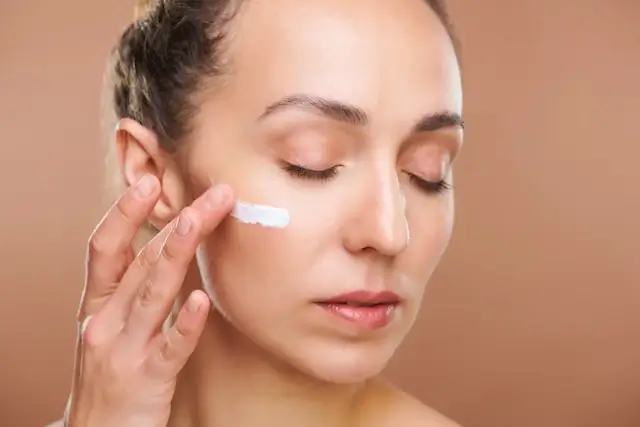
Nothing extreme. Nothing dramatic. The goal isn’t to change your face—it’s to slow down the little shifts that naturally happen with stress, sun exposure, sleep changes, and just… life.
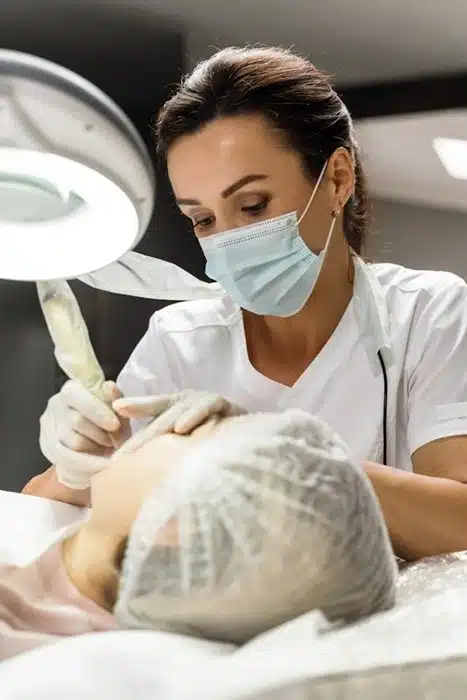
The Mayo Clinic has noted in dermatology discussions that “minimally invasive cosmetic procedures continue to grow in demand due to shorter recovery times and subtle results.” That’s basically the entire philosophy here: less downtime, less drama, more maintenance.
But here’s the thing—you don’t really see micro-treatments working. That’s kind of the point. You notice what doesn’t happen.
Where Botox fits into this
Source: Magnific.
Now we have to talk about it, because it always comes up.
Some people hear “preventive aesthetics” and immediately think everything is about freezing expressions. Not really.
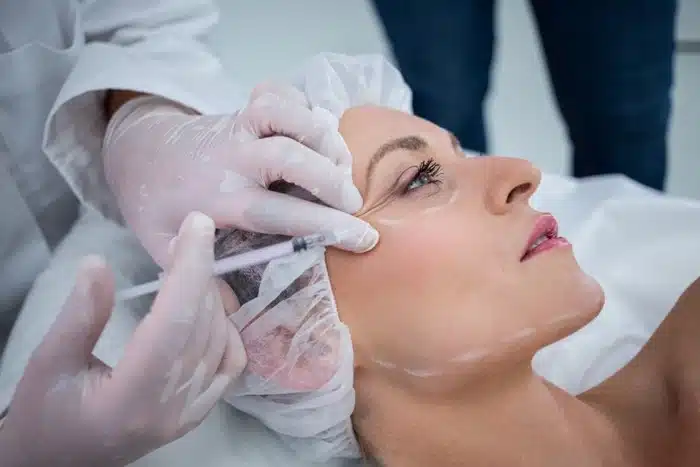
In fact, when used in a controlled way, the approach is much softer. This is where Botox products for aesthetic professionals come into the conversation—not as a heavy-handed tool, but as a precision instrument when used in micro-dosing strategies.
The British Journal of Dermatology has discussed that “neuromodulators, when used conservatively, may reduce dynamic wrinkle formation before it becomes static.”
That’s a key distinction: dynamic vs static lines. One moves. One stays.
And you probably don’t want the second one showing up earlier than necessary.
Still… there’s debate. Some practitioners argue early use might create dependency or mask underlying skin health issues. Others say it’s just smart prevention, like sunscreen but in injectable form. The truth is probably somewhere in the middle.
Pro Tip #1
If a premium beauty treatment plan doesn’t change your face in photos but you feel like you look slightly more rested in real life—that’s usually the sweet spot for micro-treatments.
If it looks obvious in selfies? Maybe too far. Maybe. Not always… but often.
The science behind “pre-juvenation”
Source: Depositphotos.
There’s a lot of buzzwords floating around—pre-juvenation, bio-optimization, skin longevity protocols. Some of it is marketing, sure. But some of it is rooted in actual dermatological trends.
The Harvard Health Publishing dermatology commentary has mentioned that “early lifestyle and dermatologic interventions may influence long-term skin quality by supporting collagen preservation and reducing cumulative damage.”
Collagen is basically the keyword here. Not just building it, but slowing its breakdown.
And micro-treatments often aim at that balance. Not rebuilding from scratch… but nudging the skin to behave like it did a few years earlier.
Still, let’s be honest—it’s not magic. If sleep is bad, diet is chaotic, stress is high… nothing fully compensates. Not even the best protocol.
The emotional side nobody really talks about
Source: Unsplash.
This is where it gets a bit less clinical.
You might notice people don’t always admit they’re doing these treatments. There’s still a weird social tension around it. Like, shouldn’t good skin just be natural?
But then again… what even is “natural” anymore? Sunscreen is natural prevention. Retinol is science-backed care. Glass skin filters exist on every app.
So the line gets blurry.
The first time you see someone who’s clearly doing micro-maintenance well, you might think, they look fake. Then you look again and realize no—they just look… consistent. Stable. Not tired in different lighting conditions.
And that consistency is kind of the goal.
Pro Tip #2:
People often ask, “What’s the strongest treatment I should start with?”
Wrong question.
A better one is: what’s the lightest thing that actually maintains my skin over time without pushing it into correction mode?
Because once you start correcting deeply, you’re no longer in pre-juvenation—you’re in repair territory. Different mindset entirely.
cost adds up slowly over time (quietly… almost sneakily)
And one more thing people don’t mention: once you start noticing tiny improvements, your perception of “normal skin aging” changes. Sometimes in a good way. Sometimes not.
Expert caution worth remembering
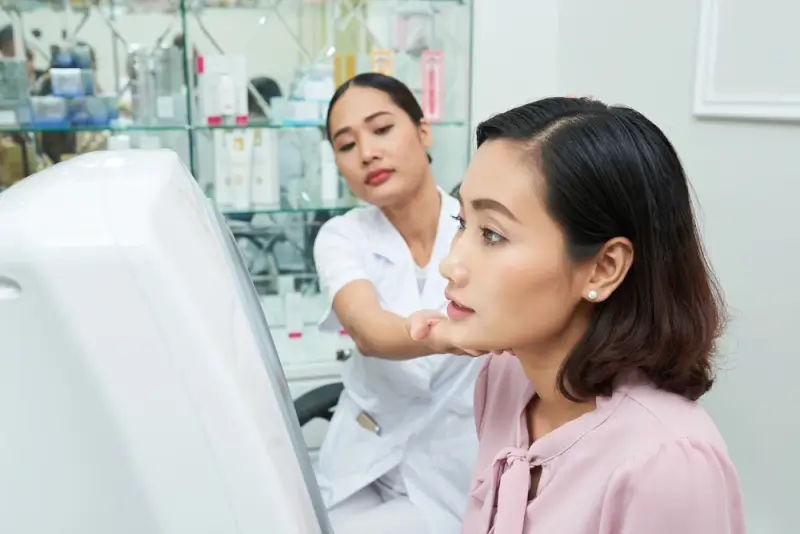
The Cleveland Clinic has stated in aesthetic dermatology discussions that “individual responses to cosmetic procedures vary widely, and treatment plans should be highly personalized to avoid unintended outcomes.”
That’s basically a polite way of saying: what works for one face might not work for yours. Obvious? Yes. Ignored often? Also yes.
Where this is all heading
Source: Depositphotos.
So is pre-juvenation the future? Probably yes… but not in the extreme sense people imagine.
It’s less about chasing perfection and more about delaying visible decline in a controlled, subtle way.
And honestly, maybe that’s the most modern beauty idea we’ve had in a while—maintenance over transformation.
Still, there’s a line. Always a line. Cross it, and suddenly “natural enhancement” becomes “visible intervention,” and that’s a different conversation entirely.
Final Thoughts
Source: Magnific.
Micro-treatments sit in this interesting space between skincare and medicine, between prevention and enhancement. They’re not miracles, and they’re not villains either. They’re tools—quiet ones.
If you approach them like a long-term skin strategy instead of a quick fix, they can actually make sense. If you chase results too fast… well, that’s usually where disappointment creeps in.
Maybe the real art of pre-juvenation isn’t about stopping aging at all. It’s about slowing the moment you start noticing it too much. And that part? That’s more psychological than anything else…
Disclaimer:
This post may contain affiliate links. I receive a small commission at no cost to you when you make a purchase using my link.