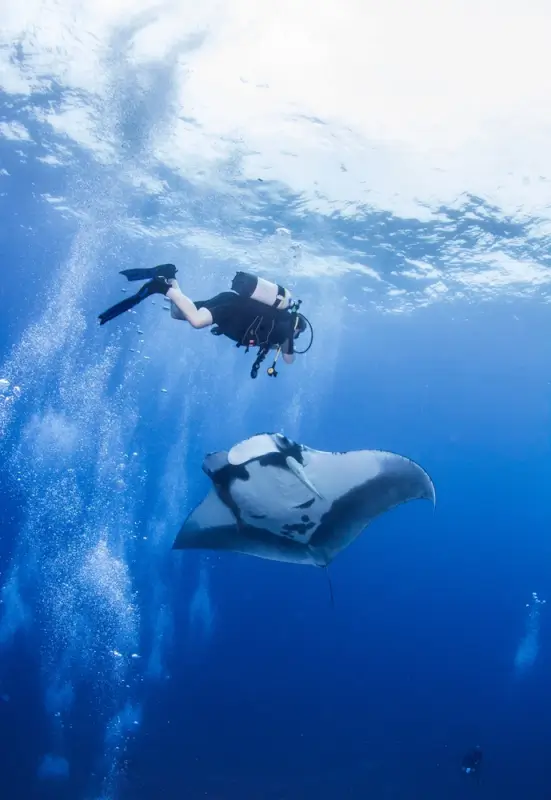
Imagine hovering weightless in crystal-clear water as a massive manta ray glides effortlessly overhead, its wings spanning wider than a small car.
Manta scuba diving delivers one of the ocean’s most awe-inspiring wildlife encounters—an experience that blends beauty, intelligence, and serenity in a way few dives can match.
With hundreds of dive operators worldwide and many claiming to offer unforgettable manta encounters, choosing the right destination and diving center can feel overwhelming. Whether you’re searching for the ultimate manta ray diving experience or researching reputable manta-focused dive operators, reliable guidance is essential.
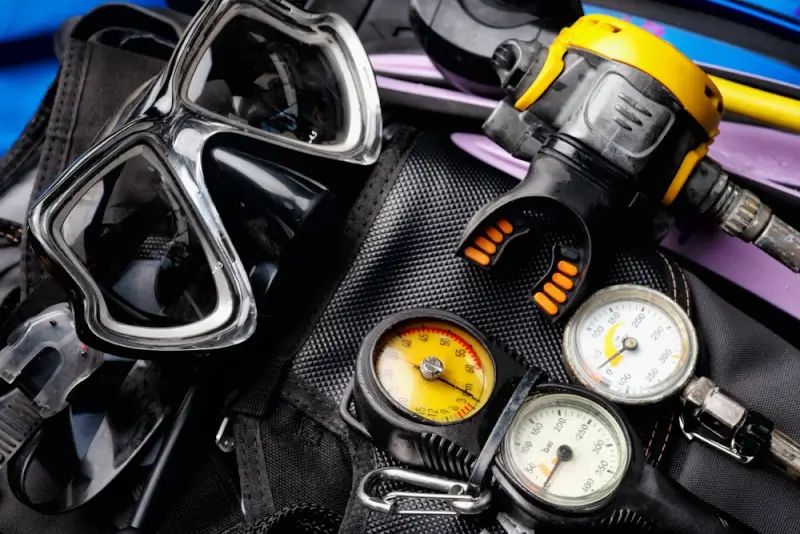
With proper preparation and the right equipment—such as a prescription mask for diving that ensures sharp underwater vision—you can fully appreciate every detail of these graceful giants in their natural environment.
This manta scuba diving guide cuts through the noise by covering the best global destinations for manta diving, seasonal timing, required skills, and how to identify ethical, high-quality dive operators.
In this guide, you’ll also learn how to dive responsibly so your experience supports manta conservation while remaining safe, memorable, and rewarding.
Manta scuba diving is a bucket-list experience not simply because mantas are large, but because of how they interact with divers.
These intelligent, curious animals often display behavior that feels personal—circling divers, making eye contact, and returning repeatedly during a single dive.
Manta Ray Species and Behavior
Source: Depositphotos.
There are two primary manta species encountered by divers:
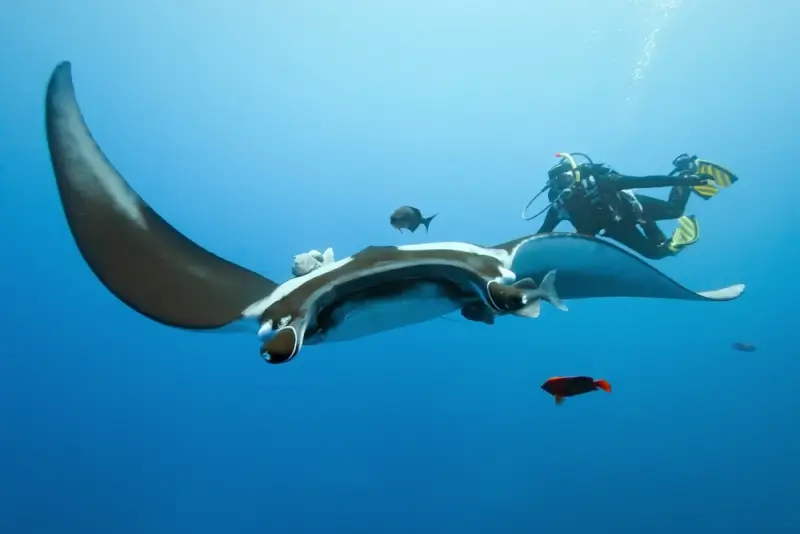
Reef mantas (Mobula alfredi) – Typically found near coastlines and islands, with wingspans of 10–15 feet. These mantas frequent cleaning stations and are the species most commonly encountered by recreational divers.
Oceanic mantas (Mobula birostris) – Significantly larger, reaching up to 23 feet across, and usually found in deeper offshore waters.
Mantas possess the largest brain-to-body ratio of any fish, and research shows they demonstrate problem-solving skills, long-term memory, and curiosity toward humans.
Unlike many pelagic animals that simply pass by, mantas often linger, circle, and observe divers closely.
Cleaning stations are central to manta diving. These are specific reef features where mantas return repeatedly—sometimes for decades—to have parasites removed by cleaner fish.
Feeding events are another major attraction, particularly when plankton blooms occur, prompting mantas to perform graceful barrel rolls while filter-feeding.
What to Expect During a Manta Dive
Scuba diver with underwater camera.
Most manta dives occur at depths between 30–60 feet, making them accessible to Open Water certified divers.
Typical dive times range from 45–60 minutes, depending on air consumption and conditions.
At cleaning stations, divers position themselves calmly on sand or rock while mantas approach overhead. Remaining still is essential—patient divers are often rewarded with longer and closer encounters.
Some mantas hover directly above divers for minutes at a time, allowing incredible observation.
Night Dives with Mantas
Diver swimming above coral reef.
Manta night dives—especially famous in Kona, Hawaii—offer a completely different experience.
Dive lights attract plankton, which in turn attract feeding mantas. Divers kneel on the sand as mantas swoop and loop through the illuminated water, sometimes passing within inches.
The combination of darkness, light beams, and massive silhouettes creates a truly unforgettable atmosphere.
Photography opportunities are excellent, particularly for wide-angle shots. Clear vision, proper buoyancy, and calm positioning are far more important than aggressive camera movement.
Top Manta Scuba Diving Destinations Worldwide
Choosing the right destination plays a major role in encounter success, dive conditions, and overall experience.
Hawaii (Kona)
One of the most reliable manta destinations in the world, offering year-round encounters with success rates exceeding 90%. Night dives at Manta Village and Garden Eel Cove are especially famous.
Indonesia
Source: Depositphotos.
Raja Ampat – Known for Manta Sandy cleaning station; peak season October–April
Komodo National Park – Manta Alley and Karang Makassar offer strong currents and consistent sightings (April–November)
Mozambique: May–August, high probability for oceanic mantas
Calm seas and plankton blooms are key indicators of productive manta activity.
Choosing a Quality Manta Scuba Diving Operator
Source: Depositphotos.
The operator you choose directly affects safety, encounter quality, and conservation impact.
Essential Certifications and Standards
Look for operators with:
PADI 5-Star Dive Center or SSI Diamond status
Proper marine park permits
Oxygen units on every dive boat
Clearly defined emergency procedures
IDC (Instructor Development Center) status is an added bonus, indicating higher training and safety standards.
Green Flags vs Red Flags
Source: Depositphotos.
Green Flags
Small group sizes (4–6 divers per guide)
Detailed manta-specific briefings
Clear conservation messaging
Well-maintained rental equipment
Transparent pricing
Red Flags
Large groups crowding cleaning stations
Generic or rushed briefings
Poorly maintained gear
No discussion of manta behavior or conservation
Operators that prioritize education and responsible interaction consistently deliver better experiences.
Skills and Preparation for Manta Diving
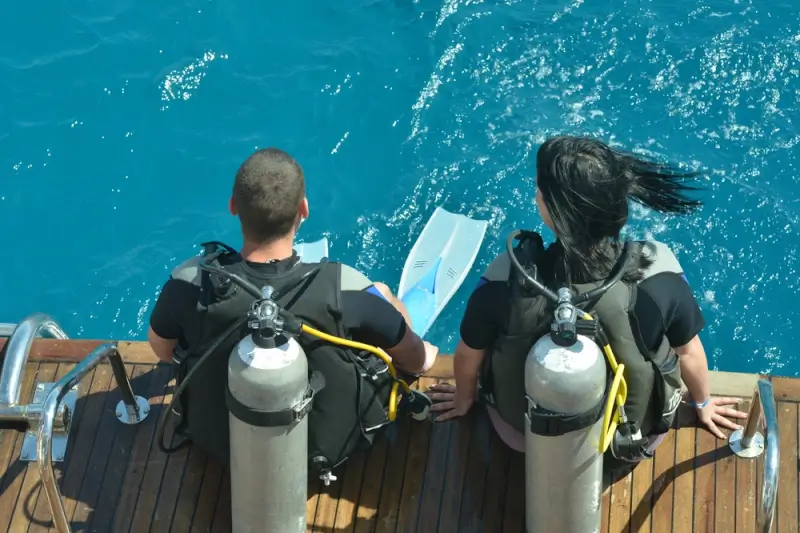
Group of scuba divers.
Certifications and Experience
Most manta sites accept Open Water certification, but Advanced Open Water is recommended for current-heavy destinations like Komodo or Maldives channels.
Ideally, divers should have 20–30 logged dives before a manta-focused trip.
Essential Skills
Buoyancy control: Remaining motionless is critical
Current diving: Many manta sites experience strong water movement
Air efficiency: Longer bottom times mean better encounters
Peak Performance Buoyancy or similar specialty courses significantly improve manta diving success.
Responsible Manta Diving and Conservation
Source: Depositphotos.
Conservation Status
Reef mantas: Vulnerable
Oceanic mantas: Endangered
Primary threats include targeted fishing for gill rakers, bycatch, habitat degradation, and climate-driven plankton changes. Sustainable dive tourism plays a vital role in manta protection by providing economic incentives for conservation.
Best Practices for Ethical Encounters
Maintain at least 3 meters (10 feet) distance
Never touch mantas
Stay low and still at cleaning stations
Control fin movement to avoid sediment
Avoid strobes aimed at manta eyes
Follow site-specific regulations
Submitting manta photos to databases like MantaMatcher contributes directly to research and protection efforts.
Planning Your Manta Diving Adventure
Booking and Timing
Kona night dives: book 2–4 weeks ahead
Liveaboards (Socorro, Raja Ampat): 4–8 months in advance
Schedule multiple manta dives to increase encounter chances
Factor in equipment rental, marine park fees, nitrox, tips, and dive insurance.
Source: Depositphotos.
Experience the Magic of Manta Scuba Diving
Manta scuba diving offers a rare blend of beauty, intelligence, and emotional connection.
Whether you choose Kona’s iconic night dives, the plankton-rich channels of the Maldives, or Indonesia’s legendary cleaning stations, proper planning makes all the difference.
By selecting ethical operators, diving during peak seasons, refining buoyancy skills, and using well-fitted equipment that provides crystal-clear vision, you’ll be ready for an encounter that stays with you long after you surface.
With responsible practices, your dive not only becomes unforgettable—but also helps protect these gentle giants for generations to come.
Disclaimer:
This post may contain affiliate links. I receive a small commission at no cost to you when you make a purchase using my link.