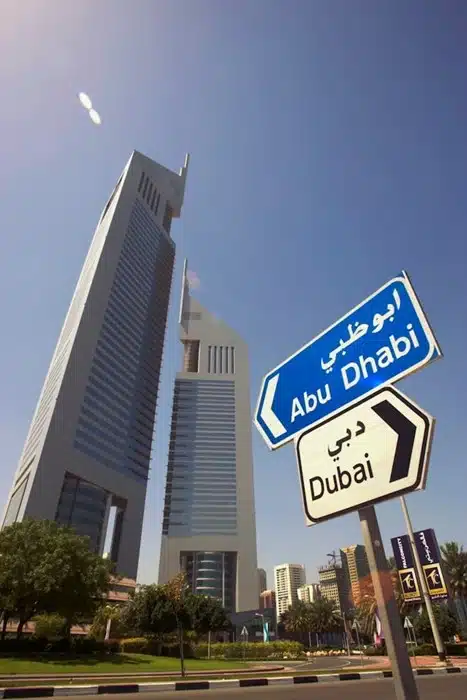
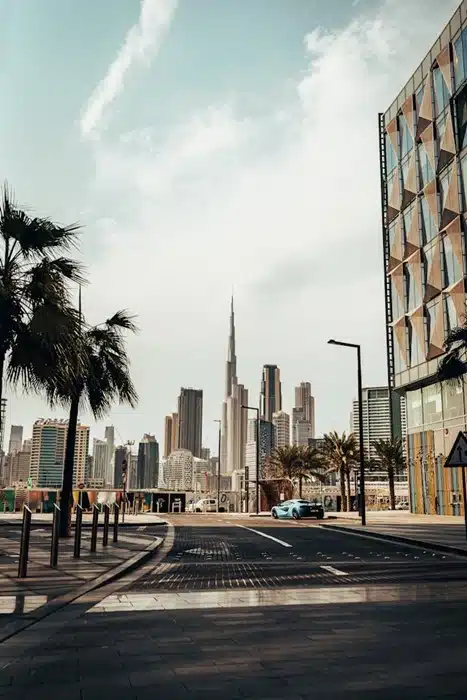
Moving to Dubai is one of those decisions that looks one way from the outside and feels completely different once you are inside it. The skyline, the scale, the pace—none of it prepares you for how the city actually operates day to day.
Within the first month, the novelty fades and the mechanics take over. You start to understand what things cost, how routines form, and what kind of income makes life here comfortable versus stretched.
Dubai is not a city that reveals itself quickly. It works on a different set of rules around money, convenience, and how people organize their lives.
What follows is an honest look at what those first weeks actually feel like — and what most people only figure out after they have already arrived.
What Living in Dubai Really Feels Like After a Month
Source: Depositphotos.
The Daily Mechanics Become Clear
At the start, everything feels fast and polished. After a few weeks, you begin to see the systems behind it.
Housing in Dubai is the biggest shift. Rent is not just high, it varies drastically depending on where you live. A one-bedroom apartment in the city center can run over AED 8,000 per month, while places outside central areas drop closer to AED 5,000.
That gap shapes how people live. Many newcomers start in shared apartments or outer districts, then move closer to central areas once income stabilizes.
The rest of the costs follow the same pattern. A single person might spend around AED 4,000 monthly excluding rent, but total expenses can easily rise into the AED 8,000 to 15,000 range depending on lifestyle.
Food is flexible. You can spend very little by cooking or eating in local spots, or significantly more if you rely on restaurants and delivery. Transportation in Dubai is efficient, with metro and ride-hailing options widely used, but convenience usually comes at a premium.
After a few weeks, you stop guessing and start calculating. You know what things cost, what is worth paying for, and what is not.
How You Get Used to Living There
Source: Unsplash
At first, Dubai feels excessive. After a few weeks, it starts to feel normal.
The biggest adjustment is how quickly convenience becomes standard. Grocery delivery, same-day services, and app-based everything are not occasional, they are expected.
That shift changes behavior. People stop planning around inconvenience because most inconvenience is removed.
Housing plays a large role in this transition. Top Dubai developments are not just about space, they are built around services. Concierge desks, gyms, pools, security, and maintenance are integrated into the building itself.
This is where Dubai stands apart. Entire residential towers function more like private ecosystems than simple apartment blocks.
Developments from companies like Binghatti show how far that model goes, with buildings designed around visual identity and high-spec interiors rather than just utility. You can get a sense of that.
After a few weeks, these environments stop feeling unusual. They become the baseline.
That is where the shift happens. What seemed excessive at the start becomes expected, and what used to feel normal elsewhere starts to feel limited.
The City Runs on a Different Population Mix
Source: Depositphotos.
Dubai is not structured like most cities. A large majority of the population consists of expats, with estimates often above 80 percent.
That changes how the city feels after a few weeks.
You are constantly surrounded by people who arrived recently or are planning their next move. Conversations in Dubai tend to focus on work, opportunities, and mobility rather than long-term roots.
This creates a different kind of social environment. It is less about settling permanently and more about positioning yourself for the next step.
It also explains the diversity. You can eat across multiple cuisines in a single day, often within a few blocks. This is not a curated experience for tourists, it is how the city functions daily.
After a few weeks, you realize that Dubai is less about local identity and more about global overlap.
Work and Money Are Central to Everything
Source: Unsplash.
Dubai is built around income.
The tax structure is a major factor. There is no personal income tax, which immediately changes how people think about earnings and savings.
But that benefit comes with a trade-off. Costs shift into other areas, especially housing, schooling, and lifestyle spending.
For many professionals, a comfortable life requires between $4,000 and $6,800 per month depending on housing and habits.
After a few weeks, you understand that Dubai rewards income stability more than anything else.
If your income is strong, the city becomes efficient and enjoyable. If it is not, the same environment starts to feel restrictive.
That clarity tends to happen quickly. Within a month, most people know whether Dubai works for them financially.
Safety and Structure Change Daily Behavior
Source: Unsplash.
One of the more unusual adjustments is how safe the city feels.
It is common to see people leave personal items unattended in public spaces without concern.
That level of security changes small behaviors. You move differently, worry less about basic risks, and rely more on the environment.
The city is also highly regulated. Rules are clear, enforcement is consistent, and systems are designed to prevent disruption rather than respond to it.
After some time, that predictability becomes part of the routine. It is not something you think about daily, but it shapes how the city operates in the background.
The Pace Is Controlled, Not Chaotic
Source: Depositphotos.
Dubai feels fast at first, but it is not chaotic.
Infrastructure plays a major role in this. Roads are wide, public transport is organized, and most services are designed for efficiency rather than improvisation.
Even leisure follows this pattern. Beaches, malls, and public spaces are structured, maintained, and often segmented by purpose.
After a few weeks, you realize that the pace is controlled rather than rushed. Things move quickly, but within a system that is designed to handle that speed.
Lifestyle Choices Define the Experience
Source: Unsplash.
The biggest difference after a few weeks is understanding how much control you have over your lifestyle.
You can live in a shared apartment and keep costs lower, or move into high-end areas where rent alone defines your monthly budget. Housing alone can range from a few thousand dirhams to luxury properties costing several times that.
The same applies to everything else. Dining, transport, entertainment, all scale based on how you choose to use them.
This flexibility is what makes Dubai different. It is not one lifestyle. It is multiple layers of lifestyle stacked in the same city.
Conclusion
Source: Depositphotos.
After the first month, the city stops feeling like something you are adjusting to and starts feeling like something you are either built for or not. That clarity comes faster than most people expect.
Living in Dubai rewards those who come prepared — with stable income, realistic expectations, and an understanding that convenience here comes at a price. The city does not meet you halfway; you meet it on its terms.
The financial picture becomes clear quickly. What you earn, what you spend, and what you are willing to trade off will define the experience more than anything else.
The structure, the safety, and the pace all work in your favor once you understand how the city operates. What felt excessive at the start eventually becomes the baseline.
If you are weighing whether Dubai is the right move, use this as your starting point — then dig into the specifics that matter most to your situation. Everything else tends to fall into place once the fundamentals are clear.
Disclaimer:
This post may contain affiliate links. I receive a small commission at no cost to you when you make a purchase using my link.