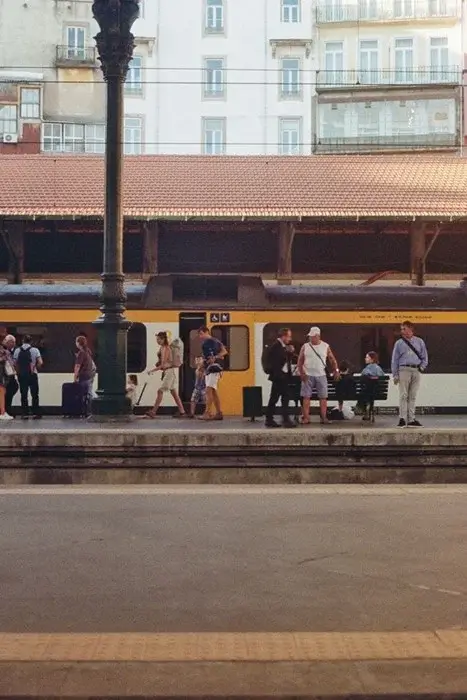
Slow travel in a big city means giving yourself room to notice how the place actually works, not just how it looks on a postcard. With fewer items on your daily list, the routines behind local life start to come into focus.
That slower approach leaves space for wrong turns, repeat visits and conversations you never planned. It also turns an overwhelming destination into somewhere that starts to feel familiar.
This guide covers the practical side of that shift: cutting your itinerary down to one main activity, cooking with local ingredients, choosing a stable basecamp and exploring one neighborhood at a time.
None of it requires a long trip — just a willingness to trade rushing between famous sights for a few extra mornings in the same place.
Why Big City Travel is Better With a Slower, More Local Approach
Source: Pexels.
Shift From Sightseeing to Living
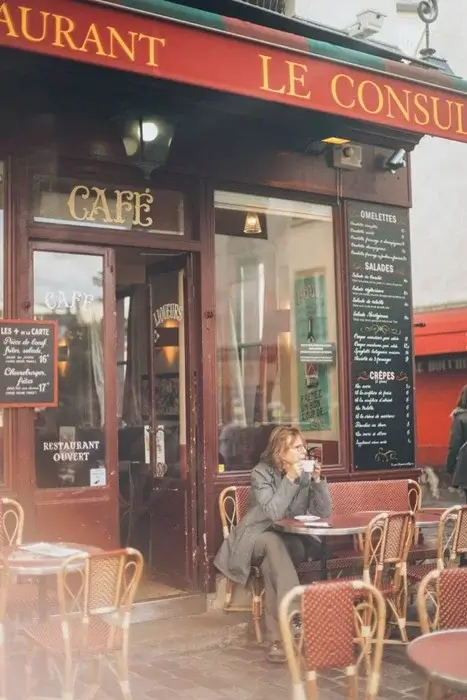
Start by reducing your daily itinerary to one main activity. After visiting a museum or historic site, leave the rest of the day open for lunch nearby, a walk through the surrounding streets and perhaps a return to a café you liked earlier.
This pace helps you see the city during ordinary moments. You might learn when commuters fill the subway, which bakery sells out before noon or where residents gather after work.
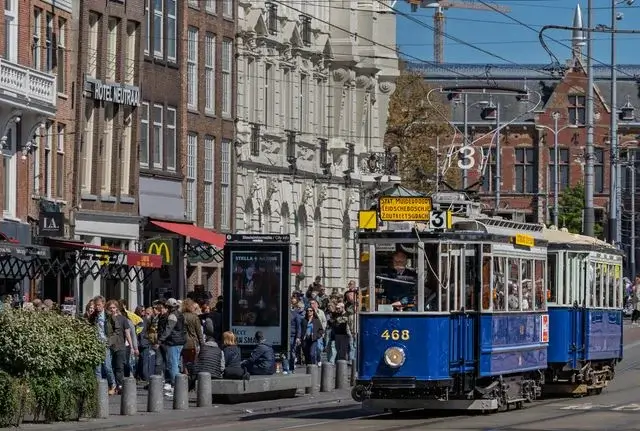
Public transit becomes easier too, since you’re using the same routes more than once. Keep a short note on your phone with useful bus stops, grocery stores and places you’d happily revisit. Those small discoveries often become more memorable than rushing between five famous sights in a single afternoon.
Cooking with Local Ingredients in Your Own Space
Source: Pexels.
Book accommodation with a kitchen or kitchenette so you can shop for local ingredients and prepare a few simple meals.
Travelers considering London aparthotels for comfortable city stays, for example, can combine apartment-style space and self-catering facilities with hotel services during a short or extended visit.
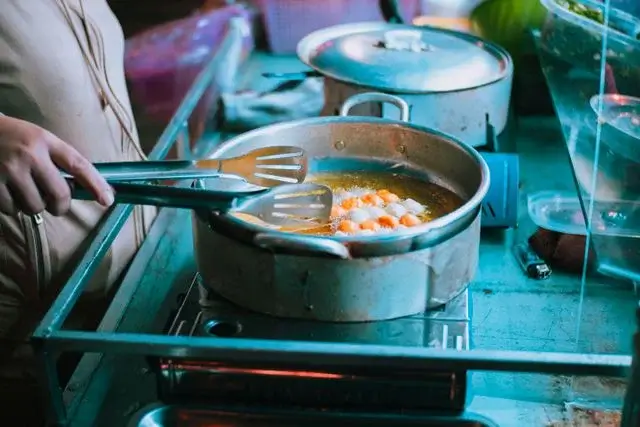
Cooking while traveling doesn’t require giving up the city’s food scene. Try restaurants for dishes that need specialist skill, then use market produce for breakfast or a relaxed dinner.
Source: Pexels.
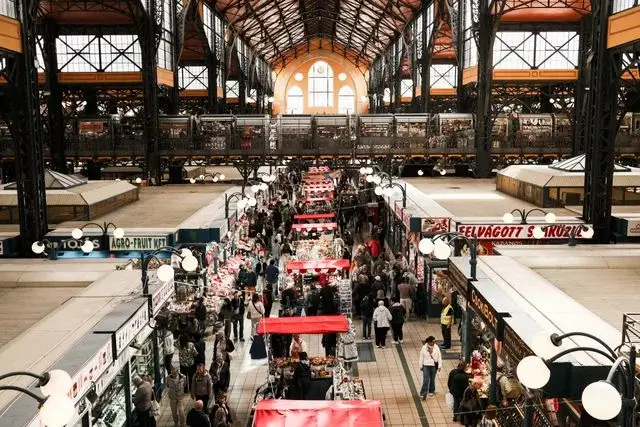
Ask a vendor what fruit is in season, buy bread from a neighborhood bakery and choose one unfamiliar ingredient to try.
Even preparing eggs, tomatoes and toast can create a welcome pause during a busy trip. It also helps control costs, which makes a longer stay more practical.
Choose Basecamps Over Transient Rooms
Source: Pexels.
Use one well-located base for several nights instead of changing accommodation every day or two.
Frequent moves consume hours through packing, checkouts, transfers and waiting for rooms to become available. A stable base gives that time back.
Look beyond distance from the central station when comparing locations. Check evening transit frequency, nearby supermarkets, laundry options and the walking route home from the closest stop.
A neighborhood with useful everyday services may suit slow travel better than a room beside the busiest attraction.
Unpack properly after arrival and set up a small routine. Put your transit card in the same place, keep breakfast basics on hand and choose a nearby café for the mornings when you want to head out early.
The room starts to function as a temporary home instead of a storage point between excursions.
Explore One Neighborhood at a Time
Source: Pexels.
Give each day a clear geographic focus. Choose one district, mark two places you want to see and connect them on foot where practical.
The health benefits of walking offer another good reason to avoid spending the whole day moving between distant stops.
A neighborhood day might include a small museum in the morning, a local lunch and an afternoon spent browsing independent shops or sitting in a public square.
Pay attention to residential side streets as well as commercial avenues, while respecting private spaces and local routines.
Rome offers a useful model because each district has its own rhythm and character. This guide to exploring Rome like a local shows how familiar activities such as visiting markets and wandering beyond major attractions can reveal another side of a famous city.
Conclusion
Source: Pexels.
Slow travel in a big city is less about seeing more and more about noticing what repeats. One main activity a day, a kitchen to cook in and a basecamp you unpack properly all give you the time to spot those patterns.
A neighborhood explored on foot teaches you more than five landmarks passed in a taxi. The bakery that sells out before noon and the shortcut to the station stay with you longer than any checklist.
What you bring home changes too. You may forget the order of the monuments, but you remember the shop owner who recognized you and the exact time warm bread appeared.
Give a city a few extra mornings and it stops being a backdrop. It becomes a place where you briefly belonged.
If this guide has you rethinking your next itinerary, explore our other city guides for more ways to plan a slower, more local stay.
Disclaimer:
This post may contain affiliate links. I receive a small commission at no cost to you when you make a purchase using my link.