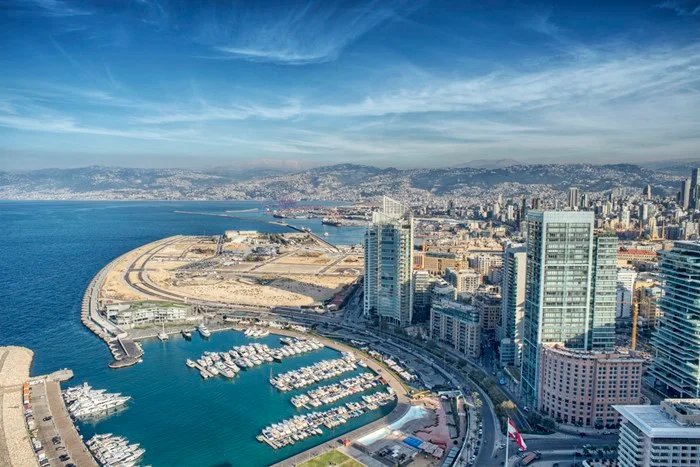
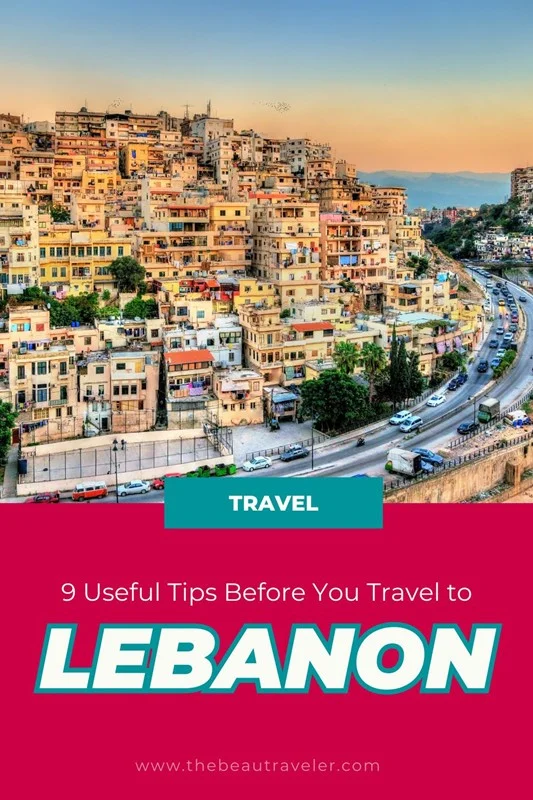
Lebanon fits Mediterranean beaches, mountain villages, and Roman ruins into a country about the size of Connecticut. You can spend the morning on the coast and reach the mountains by lunch.
There’s also an important safety update to know before planning a trip to Lebanon. As of this writing, the U.S. State Department lists Lebanon under a Level 4: Do Not Travel advisory. Several other governments have issued similar warnings.
Advisories can change as conditions change, so check the latest guidance before you book anything. If Lebanon is on your list for a future trip, this Lebanon travel guide covers the practical details first-time visitors often miss.
Some of them catch people off guard, like why you'll want US dollars in small bills or how hotels keep the lights on during daily power cuts. Here's what to know before you land.
What to Know Before Visiting Lebanon: 9 Practical Tips for First-Timers
Source: Depositphotos.
1. Check Your Visa and Passport Before You Travel
Travelers from the US, UK, Canada, most EU countries, and Australia can usually get a free, single-entry tourist visa when they arrive at Beirut-Rafic Hariri International Airport. It’s valid for one month.
One important exception: Lebanese authorities can refuse entry to anyone with Israeli stamps or visas in their passport, regardless of nationality.
Visa rules and travel advisories can change, so check the latest requirements before you book your trip.
Your passport should also be valid for at least three months from your entry date and have at least two blank visa pages. Check these details before flying to avoid problems at the airport or border.
Source: Depositphotos.
2. Get Your eSIM Ready Before You Leave
Mobile coverage works well in Beirut and along much of the coast, but having data as soon as you arrive makes things easier. An eSIM for travel in Lebanon lets you connect without searching for a SIM kiosk at the airport.
Once you're connected, you can use maps, translation apps, and messaging. Download offline maps before day trips outside Beirut, too, since coverage may be less reliable in some areas.
3. Carry Cash for Everyday Spending
Source: Depositphotos.
Cash is still the easiest way to pay in Lebanon. Locals widely accept both the Lebanese pound (LBP) and US dollars.
Hotels and higher-end restaurants in Beirut often accept cards, but smaller cafes, taxis, and shops outside the capital may take cash only.
Keep some US dollars in small bills for everyday purchases. Many vendors list prices in dollars but may give your change in Lebanese pounds.
If you plan to use a card, tell your bank before you leave. This can help prevent a foreign transaction from triggering a temporary security hold.
4. Expect Some Power Cuts
Lebanon’s national power grid does not provide electricity around the clock in most areas. Homes, hotels, and businesses often use private generators to keep the lights, Wi-Fi, and other essentials running.
Still, charge your phone, laptop, and portable battery whenever you have power. Scheduled cuts can happen with little warning, especially in smaller towns.
If you plan to spend time outside Beirut, bring a portable charger so you’re not left without power when you need your phone.
5. English and French Get You Further Than You'd Expect
Source: Depositphotos.
Arabic is Lebanon’s official language, but you can often get by with English or French, especially in Beirut.
You may see Arabic, English, and French on menus and signs, and hear people switch between them in everyday conversations.
Learn a few basic Arabic phrases before you go, and keep a translation app on your phone for anything you can’t communicate easily.
6. Stick to Bottled or Filtered Water
Tap water in Lebanon is not reliably safe to drink, even in Beirut. Most locals and hotels use bottled or filtered water to drink and brush their teeth.
Bottled water is inexpensive and easy to find at shops, hotels, and restaurants, so you can make it part of your routine as soon as you arrive.
If you order a drink with ice at a casual restaurant, ask what water they use if you’re unsure. It’s a simple way to avoid an upset stomach during your trip.
7. Use Ride-Hailing Apps Around Beirut
Source: Pexels.
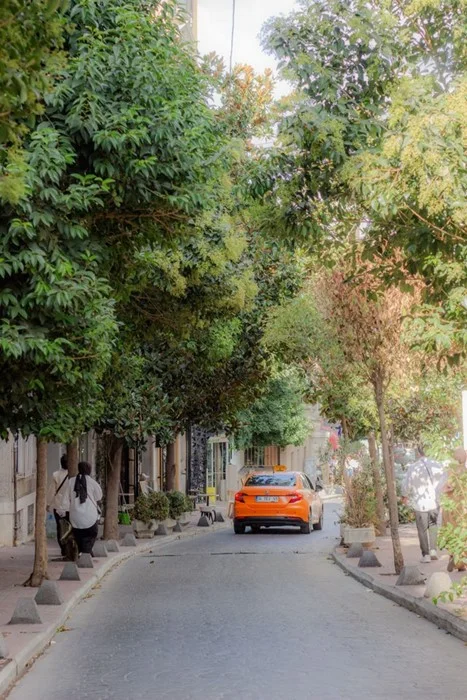
Getting around Beirut is easier with Uber or Bolt than with a rental car. Unmarked streets and limited parking can make driving a hassle.
Shared taxis, known locally as “service,” follow set routes and charge a flat fee, making them the cheapest way to get around.
A rental car becomes more useful if you plan to visit mountain areas or coastal towns outside Beirut, where public transport is less available.
Beirut-Rafic Hariri International Airport is about a 15- to 20-minute drive from downtown, depending on traffic. Uber and Bolt offer airport pickups. Check the app for your pickup location before leaving the terminal to avoid confusion.
8. Dress Code Varies by Neighborhood
Lebanon has no legal dress code. Beirut's nightlife districts and beach clubs run as liberal as anywhere in southern Europe.
Conservative dress matters more in religious sites and smaller towns, where covering shoulders and knees shows basic respect. Some mosques also require women to wear a headscarf to enter the prayer hall.
9. Beirut Isn't the Only Stop Worth Planning Around
Source: Depositphotos.
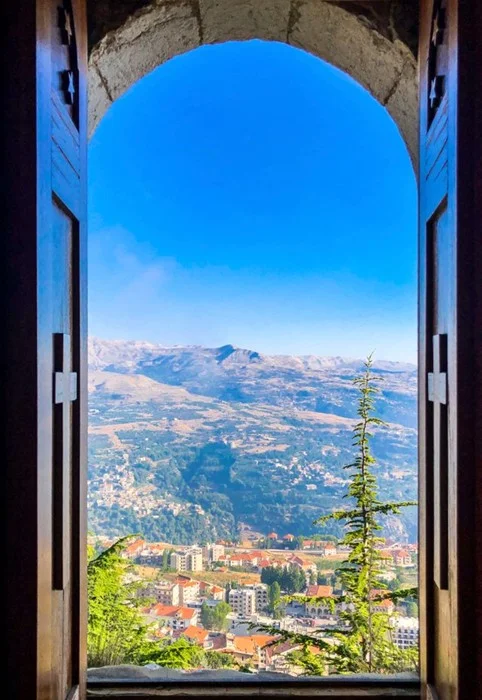
Lebanon is small enough that several major sights make great day trips from Beirut.
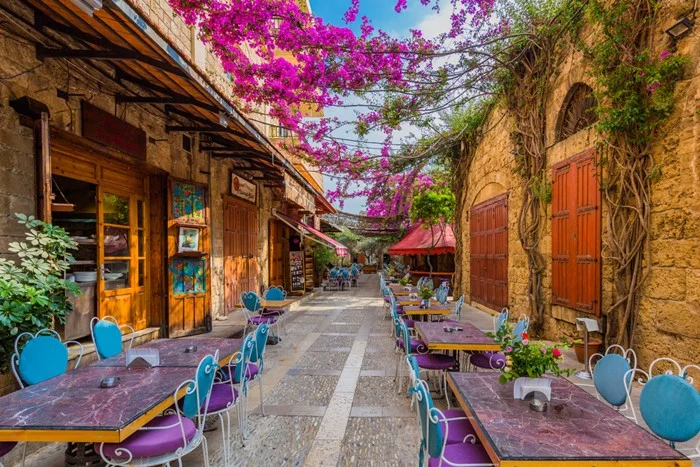
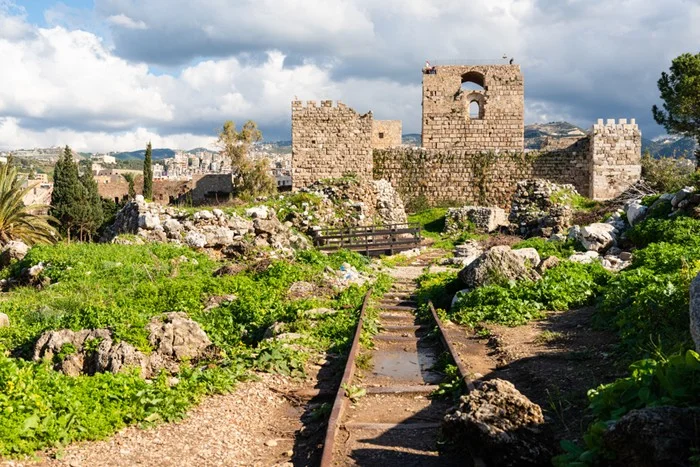
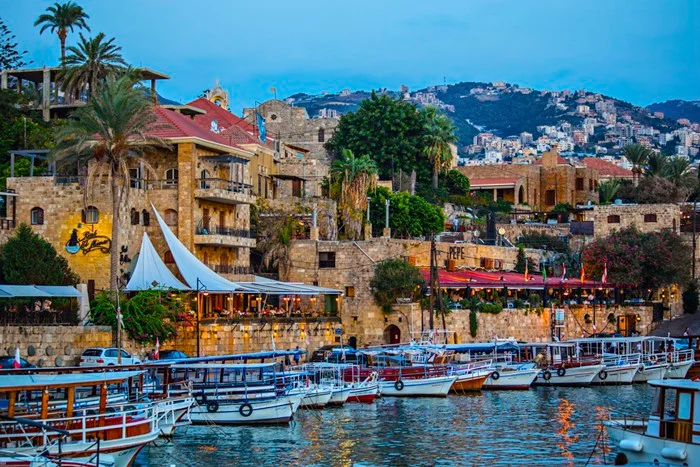
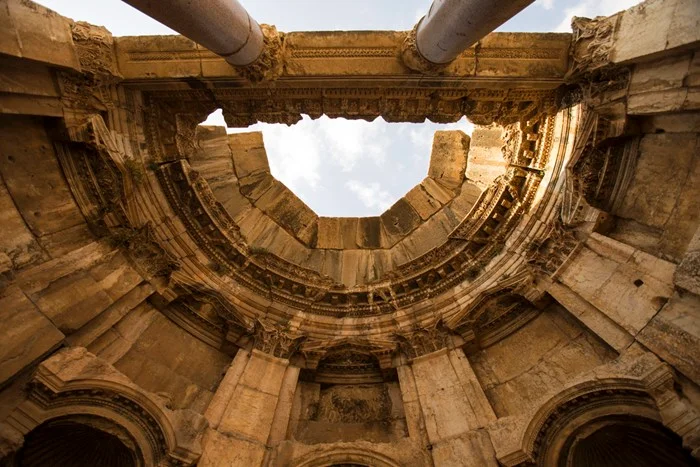
Byblos and the Chouf Mountains are both under 90 minutes away, while Baalbek runs closer to two to three hours. You can see Roman ruins, explore an ancient port, or visit mountain villages without changing hotels.
Spring and fall usually offer more comfortable weather for these trips. Summer heat and winter snow in the mountains can make some outings harder.
Pack layers if you’re heading from the coast into the mountains. Temperatures can change noticeably between Beirut and the Chouf highlands, even on the same day.
Lebanon can look easy to navigate on a map. It’s a small country with a lot packed into it, but the practical side of traveling here can be different from what first-time visitors expect.
Knowing how you'll pay, stay connected, get around, and handle everyday basics means fewer surprises once you're there.
For now, the travel advisory remains an important part of any decision to visit. If conditions change and you decide to make the trip, revisit the practical details in this list before you leave.
Conclusion
Source: Depositphotos.
Lebanon rewards travelers who prepare, starting with the right paperwork and a way to stay connected. Check your visa rules and passport validity, then set up an eSIM so you have data the moment you land.
Daily life runs on cash, generators, and bottled water, so pack and plan around all three. Bring US dollars in small bills, keep a portable charger topped up, and skip the tap water even in Beirut.
English and French go a long way in the capital, though a few Arabic phrases still help. Use Uber, Bolt, or shared taxis in Beirut, and dress more modestly at religious sites and in smaller towns.
Byblos, Baalbek, and the Chouf Mountains all work as day trips, so you can see a lot without changing hotels. Above everything else, check the latest travel advisory before you commit to any plans.
Save this Lebanon travel guide to your Pinterest travel board so it's ready when the time is right. Then browse our guide to iconic places in the Middle East to map out the rest of your route.
Disclaimer:
This post may contain affiliate links. I receive a small commission at no cost to you when you make a purchase using my link.