St. Louis patients often rely on specialized medical care from hospitals and treatment centers across the region, where implantable ports may support long-term therapies. These devices make repeated treatment more manageable, but complications can still occur.
An implantable port injury may lead to infection, tissue damage, additional procedures, or interrupted therapy. When this happens, understanding what went wrong and preserving the right details becomes essential to protecting both health and legal standing.
For those reviewing legal options, records may also matter when considering a PowerPort lawsuit after an implantable port injury.
This guide walks through the specific details worth documenting, from port information and physical changes to provider communications and financial impact.
Each step is simple on its own, but together they build a record that can matter more than patients realize until they need it.
Suffered an Implantable Port Injury? 10 Powerful Steps to Safeguard Your Case
Source: Unsplash.
Record the Port Details
Patients should record the port’s purpose, insertion date, treating facility, and procedure details. A device card, discharge summary, or patient portal entry may supply those facts.
Product information can help clinicians compare treatment notes with safety communications and complication reports. Some patients may also research similar cases after reviewing their records.
A precise account connects the implanted device with symptoms, procedures, and follow-up care without relying on memory alone.
Source: Pexels.
Describe the Injury
A written account should explain what occurred in direct, chronological language. Patients can note the date, location, activity, and sensation that preceded the problem.
Relevant symptoms may include bleeding, swelling, pain, numbness, redness, drainage, fever, weakness, or breathing difficulty.
Each entry should include onset, duration, severity, and any effect on treatment or routine movement.
Photograph Visible Changes
Source: Pexels.
Photographs may document physical changes that words cannot fully describe. Patients should capture bruising, swelling, redness, drainage, open areas, or altered skin color.
One close image and another showing the affected location can provide beneficial perspective. A ruler may indicate size. Original files should retain their dates, with backup copies placed in a secure folder.
Save Medical Records
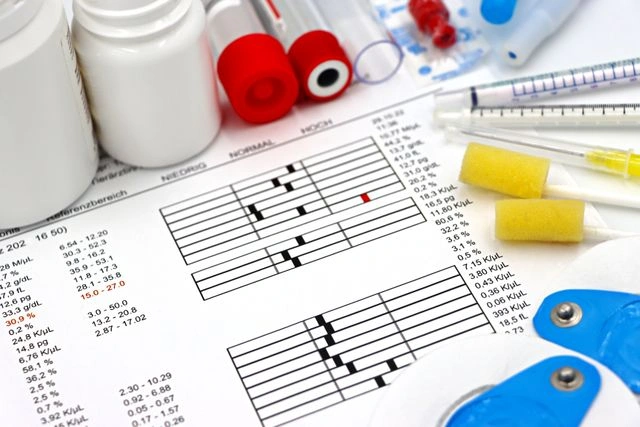
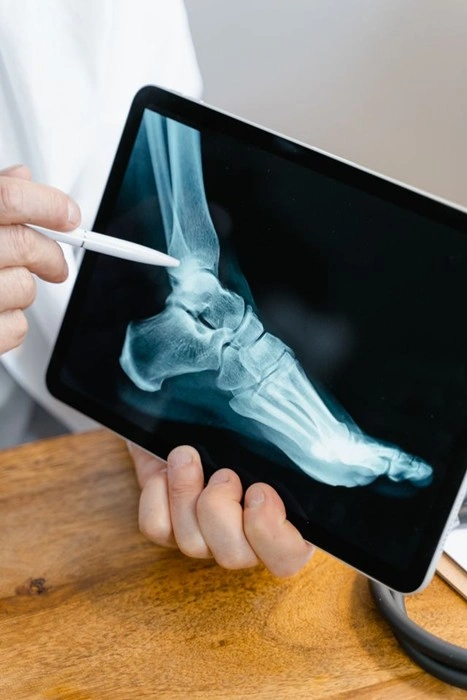
Clinical records may contain examination findings, imaging results, medication changes, and treatment decisions.
Patients should request documents from emergency departments, hospitals, oncology offices, infusion centers, and follow-up clinics.
Important materials include operative reports, nursing notes, laboratory results, prescriptions, and discharge instructions. Keep records complete, including pages that seem routine or unrelated.
Track Medical Symptoms
Source: Unsplash.
A daily symptom log can show whether a condition improves, remains stable, or worsens. Entries may include pain intensity, temperature, sleep disruption, restricted movement, missed treatments, and new concerns.
Patients should describe observations rather than assign causes. A dated timeline gives healthcare professionals better information during examinations and helps identify changes requiring attention.
Document Provider Contact
Each telephone call, portal message, appointment, and written exchange should receive a dated entry.
Patients can note the provider’s name, department, contact method, and response. Saved messages, voicemail files, appointment summaries, and written instructions may preserve important details.
After verbal guidance, individuals should record the wording as accurately as possible.
Record Financial Effects
Source: Unsplash.
An injury can generate expenses beyond hospital charges. Patients should retain receipts for transportation, prescriptions, home assistance, medical supplies, and replacement treatment.
Employment records may show missed shifts, reduced hours, or unpaid leave. A basic spreadsheet can list each cost, payment date, purpose, and supporting document.
Consistent entries make later review more efficient.
Note Daily Limitations
Patients should describe how the injury affects everyday activities. Examples include bathing, dressing, lifting, driving, sleeping, cooking, childcare, or household tasks.
Relatives may report changes they observe, especially when pain affects movement or behavior. Those observations should remain separate from medical opinions and include concrete examples, such as needing help with a shirt or avoiding a vehicle seat belt.
Preserve Device Evidence
Source: Pexels.
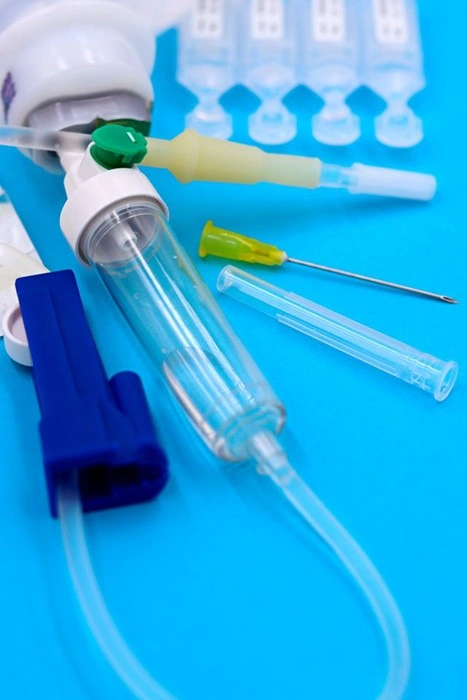
If a port, catheter, dressing, or related component gets removed, patients should ask whether they can retain the material for examination.
Medical facilities may follow evidence-storage policies, so make requests promptly. Packaging, labels, photographs, and replacement materials may contain identifying details.
Leave removed items untouched and store them according to clinical instructions.
Seek Prompt Medical Care
Severe chest pain, breathing difficulty, uncontrolled bleeding, confusion, fainting, sudden weakness, or signs of infection require urgent medical attention.
Patients should follow emergency directions provided by qualified clinicians. Documentation should never postpone treatment.
After receiving care, individuals can add the visit date, facility, findings, instructions, and medication changes to the existing timeline.
Source: Pexels.
Conclusion
Careful documentation helps patients communicate clearly after an implantable port injury.
Dates, photographs, clinical records, symptom notes, expenses, and provider messages may clarify how the condition affects treatment and daily life. Medical attention remains the priority, particularly when serious warning signs appear.
Organized evidence gives trusted professionals stronger information for evaluating ongoing care, financial harm, and possible legal options. A factual record also protects details that stress may otherwise obscure.
Disclaimer:
This post may contain affiliate links. I receive a small commission at no cost to you when you make a purchase using my link.