There is a particular kind of motivation that comes with an upcoming trip. A beach vacation, a honeymoon, or a milestone celebration abroad has a way of pushing people to think seriously about how they want to feel in their own skin before they go.
For many travelers, that has meant a growing curiosity about body contouring for travel as part of pre-trip preparation, right alongside the usual packing lists and itinerary planning. It is no longer just about what goes in the suitcase, but how someone feels stepping off the plane.
Non-invasive treatments have made this kind of prep more realistic than it used to be, since most require no surgery and little to no downtime. But timing is everything, and booking too close to departure can mean missing the results altogether.
Here's what to know about how these treatments actually work, what the research says about results, and how to build a timeline that gets you vacation-ready without the last-minute scramble.
How to Get Summer Body Ready Before Your Next Trip
Source: Unsplash.
Why Pre-Travel Body Confidence Has Become Its Own Trend
Wellness and beauty have increasingly become part of how people prepare for travel, not just something they think about once they arrive.
Spa days, skincare routines, and fitness pushes before a big trip are common, and body contouring has become part of that same conversation for people hoping to feel their most confident in vacation photos or resort wear.
Part of the appeal is timing. Non-invasive treatments generally require no surgery and little to no downtime, which makes them realistic to schedule in the weeks leading up to a trip without disrupting travel plans or requiring extended recovery.
Source: Unsplash.
What Non-Invasive Fat Reduction Actually Is
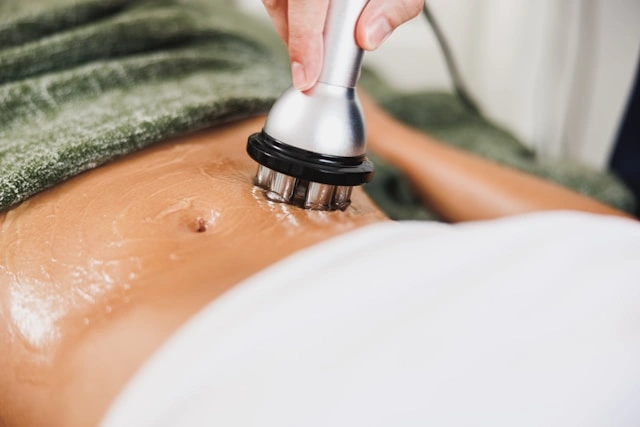
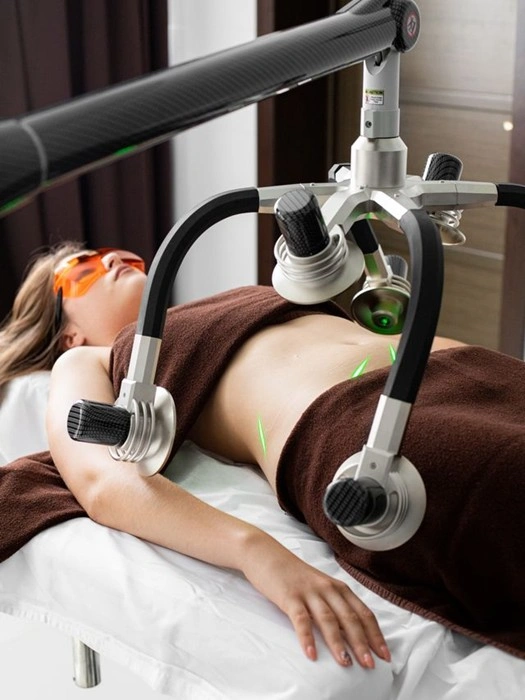
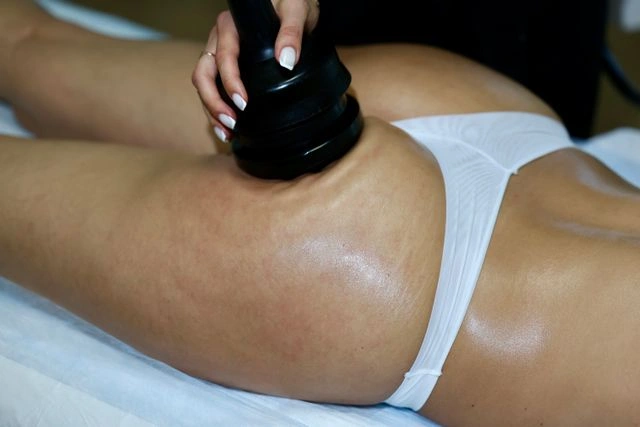
One of the most well-known options in this space works by freezing fat cells rather than removing them surgically.
According to the U.S. Food and Drug Administration, cryolipolysis uses cold temperatures intended to destroy fat cells and reduce visible fat bulges without surgery, and it is one of several non-invasive body contouring technologies currently available.
The science behind this approach relies on a simple biological fact: fat cells are more sensitive to cold than the skin and tissue surrounding them.
Controlled cooling targets and damages fat cells beneath the skin's surface while leaving nearby tissue unaffected. Over the following weeks, the body naturally processes and eliminates the damaged cells through its own lymphatic system, which is why results tend to appear gradually rather than immediately.
This lines up with how providers typically frame the treatment: as a way to refine stubborn areas of fat rather than as a substitute for weight loss.
This distinction matters for anyone considering the treatment before travel. Non-invasive fat reduction is not designed to produce dramatic total-body changes in a short window.
It works best for someone already close to their target weight who wants to address a specific area, such as the abdomen or thighs, that has not responded to diet and exercise alone.
Source: Pexels.
Building It Into a Realistic Pre-Trip Timeline
Because results develop gradually, timing matters more than most people expect.
Most patients notice initial changes around three weeks after a session, with fuller results visible closer to two or three months later. This means booking a treatment the week before departure will not produce the intended effect.
A more realistic approach is scheduling a consultation several months ahead of a major trip, particularly for travelers planning around a wedding, honeymoon, or milestone vacation where they want visible results by a specific date.
A Simple Pre-Trip Body Contouring Timeline
Three to four months out: research options and book an initial consultation
Two to three months out: complete the recommended number of sessions for your treatment area
Four to six weeks out: allow time for visible results to develop
Two weeks out: finalize travel wardrobe based on how your body has responded
Departure: enjoy the trip without needing to think about it further
Finding the Right Provider
Source: Pexels.
Because these treatments involve real physiological changes, choosing an experienced, reputable provider matters more than choosing the closest or cheapest option.
Clinics that specialize in this kind of care, such as Serene Radiance in Edmonton, walk patients through a proper consultation before treatment, explaining what a non-invasive solution for fat reduction actually involves and setting realistic expectations for timeline and results.
Travelers considering this kind of pre-trip preparation should treat the research phase the same way they would research a destination: read reviews, ask questions, and confirm the provider uses established, cleared technology rather than an unregulated alternative.
Final Thoughts
Source: Unsplash.
Getting vacation ready has expanded well beyond a new swimsuit and a solid workout plan.
For travelers who want to address a specific area of stubborn fat before a big trip, non-invasive body contouring can be a reasonable option, provided it is planned with enough lead time and researched as carefully as any other part of the trip.
Like most good travel planning, the secret is simply starting early enough that nothing has to be rushed at the last minute.
Disclaimer:
This post may contain affiliate links. I receive a small commission at no cost to you when you make a purchase using my link.