Learning how to ride a tricycle is easier than most people think — and it's never too late to start. Whether you're helping a child take their first ride or looking for a stable and comfortable cycling option as an adult, a tricycle makes the experience approachable for everyone.
Unlike a traditional bicycle, a tricycle gives you three wheels for added stability, so there's no need to worry about balance. That alone removes one of the biggest barriers for new riders.
But getting started the right way still makes a difference. From choosing the right tricycle to mastering turns and stops, a few key tips can help you ride with confidence from day one.
This guide covers everything you need to know — safety gear, step-by-step riding techniques, common beginner mistakes to avoid, and how to keep your tricycle in good shape for the long run.
A tricycle offers better stability than a bicycle because it does not require balancing on two wheels. This makes it easier to stop, start, and ride at slower speeds without tipping over.
Electric tricycles use battery-powered assistance for easier pedaling and longer rides.
Check the Fit
A properly sized tricycle should allow you to:
Reach the pedals comfortably
Sit upright without straining
Easily grip the handlebars
Place your feet on the ground when stopped
Safety Gear Before Riding
Source: Unsplash.
Safety should always come first when riding a tricycle.
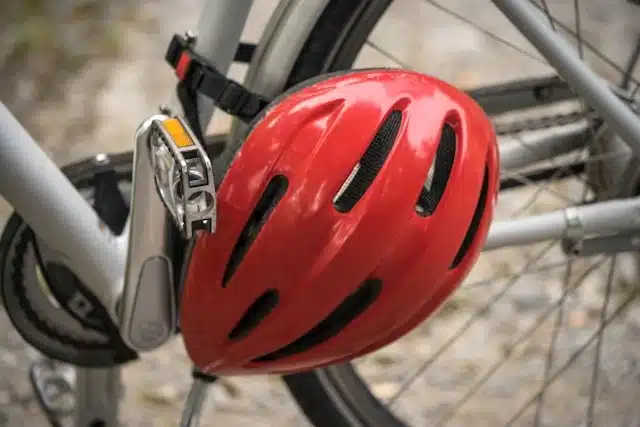
Wear a Helmet
A helmet helps protect your head in case of a fall or accident.
Use Comfortable Shoes
Closed-toe shoes with good grip provide better control while pedaling.
Check the Tricycle
Before riding, inspect:
Tire pressure
Brakes
Pedals
Chain condition
Seat height
Step-by-Step Guide on How to Ride a Tricycle
Source: Unsplash.
Learning to ride a tricycle is simple when you follow the proper steps.
Step 1: Sit Properly on the Seat
Sit comfortably with both hands on the handlebars. Keep your back relaxed and your feet resting on the pedals.
Step 2: Start Pedaling Slowly
Push one pedal downward gently while the other foot follows the motion. Start at a slow speed until you feel comfortable controlling the tricycle.
Step 3: Practice Steering
Turn the handlebars gradually rather than making sudden movements. Tricycles respond differently than bicycles because of their wider rear wheels.
Step 4: Learn How to Stop
Slow down by reducing your pedaling speed and gently applying the brakes. Always stop smoothly to maintain stability.
Step 5: Practice Turning Corners
Take wide turns at slower speeds. Sharp turns at high speeds can cause some tricycles to tip slightly.
Common Beginner Mistakes
Source: Unsplash.
New riders often make small mistakes while learning.
Turning Too Fast
Because tricycles have three wheels, fast turns can feel unstable. Slow down before cornering.
Leaning Too Much
Unlike bicycles, tricycles do not require heavy leaning while turning.
Riding on Uneven Ground
Bumpy or sloped surfaces can make handling more difficult for beginners.
Tips for Riding an Adult Tricycle
Adult tricycles handle differently than children’s trikes.
Start in an Open Area
Practice in a parking lot, empty park path, or quiet street before riding in busy areas.
Keep Your Speed Moderate
A steady pace helps improve control and comfort.
Use the Basket Carefully
If your tricycle has a rear basket, avoid overloading it with heavy items that could affect balance.
Riding a Tricycle Safely on Roads
Source: Unsplash.
Some tricycles are designed for commuting and road use.
Follow Traffic Rules
Always obey traffic lights and road signs.
Stay Visible
Wear bright clothing and use reflectors or lights when riding at night.
Ride in Bike Lanes When Possible
Bike lanes provide a safer riding environment away from vehicle traffic.
How Long Does It Take to Learn?
Most children learn basic tricycle riding within a few hours or days. Adults may also adapt quickly because tricycles eliminate the need for balancing like a bicycle.
With regular practice, riding becomes smooth and natural.
Maintaining Your Tricycle
Source: Unsplash.
Proper maintenance helps improve safety and performance.
Keep Tires Inflated
Correct tire pressure makes pedaling easier and improves stability.
Lubricate the Chain
A clean and lubricated chain helps the tricycle run smoothly.
Check Brakes Regularly
Good brakes are essential for safe riding.
Conclusion
Learning how to ride a tricycle is simple, fun, and accessible for people of all ages. With its stable three-wheel design, a tricycle provides a comfortable and confidence-building riding experience for beginners and experienced riders alike.
By practicing basic riding techniques, following safety tips, and choosing the right tricycle, you can enjoy safe and enjoyable rides whether you’re using a child’s trike, an adult tricycle, or an electric three-wheeler.
Disclaimer:
This post may contain affiliate links. I receive a small commission at no cost to you when you make a purchase using my link.