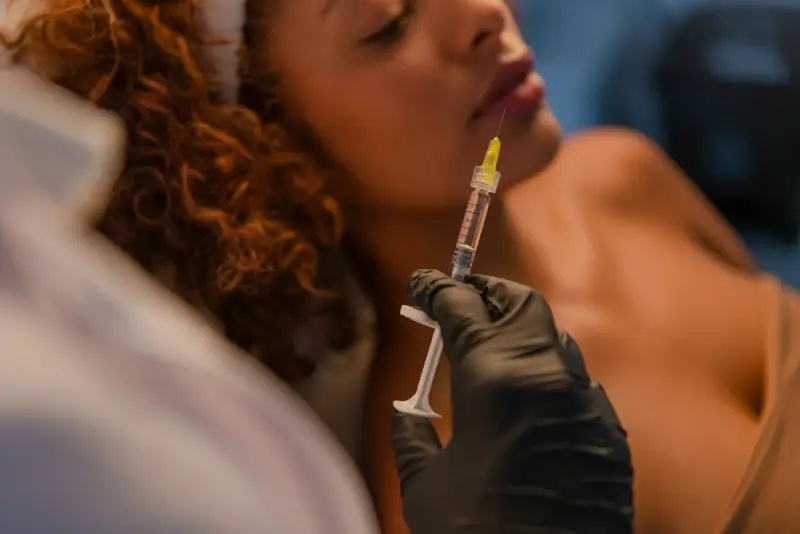
Facial filler complications are more common than many clinics admit, with studies showing 10–20% of patients experience unwanted outcomes, from mild asymmetry to serious vascular issues.
When facial fillers go wrong, time and correct medical decisions matter far more than cosmetic touch-ups. Many patients delay action, mistaking real problems for normal swelling, or are falsely reassured and miss the easiest correction window.
Signs such as uneven volume, firmness lasting more than two weeks, restricted movement, pain, color changes, or persistent lumps should never be ignored.
Because fillers interact with the face’s complex blood and lymphatic systems, early intervention can prevent fibrosis, permanent distortion, and higher correction costs.
At this stage, the priority is tissue safety and anatomical restoration, not aesthetics—early, informed action often determines whether recovery is complete or long-term dissatisfaction follows.
Dissolving is a corrective option used when filler migrates, sits too superficially, causes asymmetry, limits movement, or distorts facial shape. When done properly, it targets the filler—not natural tissue.
Repeated touch-ups often worsen inflammation and make correction harder, while early, controlled dissolving followed by healing usually leads to better long-term results.
Some cases require staged treatments depending on filler type, depth, technique, and how long it has been in the face, which is why dissolving should be done with diagnosis and precision, not rushed decisions.
5 Things to Do After a Bad Filler Outcome
Source: Unsplash.
The first 72 hours after recognizing a problem are critical. Your actions during this window influence how reversible the issue will be. The goal is to reduce risk, prevent escalation, and preserve tissue health.
Step 1: Stop All Further Injections
Do not allow anyone to “balance” or “fix” the issue immediately with more filler. This is one of the most common causes of compounded problems.
Additional filler often hides the issue temporarily but makes correction harder later.
Step 2: Document Everything
Take clear photos in neutral lighting from multiple angles.
Note pain, color changes, temperature differences, or numbness. These details help a qualified practitioner diagnose accurately.
Step 3: Seek an Independent Medical Opinion
Source: Unsplash.
If possible, consult a practitioner who did not perform the original treatment. A fresh assessment reduces bias and increases safety.
Step 4: Rule Out Vascular Complications
Symptoms like severe pain, blanching, livedo patterns, or vision changes require immediate medical attention. These are emergencies, not cosmetic issues.
Step 5: Decide Between Observation, Dissolving, or Medical Management
Not all complications require immediate dissolving, but ignoring the problem is rarely the answer.
Common Filler Complications and the Correct Response
Source: Unsplash.
Problem
Typical Cause
Correct Action
Urgency
Lumps or nodules
Superficial placement or overfilling
Assessment, possible dissolving
Medium
Asymmetry
Uneven injection or swelling
Wait 2 weeks, then evaluate
Low–Medium
Migration
Weak tissue support or excessive product
Partial or full dissolve
Medium
Pain and discoloration
Vascular compression
Immediate medical treatment
High
Restricted movement
Incorrect depth or product choice
Dissolve and rehabilitate
Medium
This table reflects real-world clinical decision paths. Choosing the wrong response can turn a manageable issue into a long-term problem.
Why Waiting Too Long Makes Correction Harder?
Source: Unsplash.
Fillers integrate with surrounding tissue over time. The longer problematic filler remains, the more fibrosis and inflammatory response can develop. This makes dissolving less predictable and sometimes incomplete.
Delayed correction often requires multiple sessions, higher enzyme doses, and longer recovery.
Patients who wait months hoping the filler will “settle” often regret it. Early intervention usually means faster resolution, lower cost, and better aesthetic recovery.
Important Tips You Should Not Ignore
Do not massage aggressively unless instructed by a qualified practitioner
Avoid heat, intense exercise, and alcohol if complications are suspected
Never allow non-medical personnel to perform dissolving
Always confirm the filler type before any corrective treatment
Healing time is part of correction; do not rush reinjection
Ignoring these basics often leads to repeated cycles of filler, dissolve, and dissatisfaction.
Frequently Asked Questions
Source: Unsplash.
Will dissolving ruin my face permanently?
No. When performed correctly, dissolving targets hyaluronic acid filler only. Proper technique preserves natural tissue.
How long should I wait before dissolving?
If the issue is aesthetic but stable, waiting 10–14 days for swelling to settle is reasonable. For pain, color changes, or distortion, act immediately.
Can all fillers be dissolved?
Only hyaluronic acid fillers can be dissolved with hyaluronidase. Other fillers require different management strategies.
Can I get filler again after dissolving?
Yes, but only after full healing and reassessment. Reinjection should be conservative and strategic.
Is dissolving painful or risky?
Discomfort is usually mild. Risks exist but are significantly lower than leaving problematic filler untreated when properly managed.
Conclusion
Source: Unsplash.
When fillers go wrong, the difference between full recovery and lasting complications often comes down to early recognition and correct action.
Waiting, hoping the issue will resolve on its own, or allowing repeated injections to “fix” the problem usually makes correction harder and more expensive.
Understanding the signs of complications—whether aesthetic concerns like asymmetry or medical emergencies like vascular compromise—gives you control over the outcome. Not every issue requires immediate dissolving, but ignoring warning signs is rarely the right choice.
Correction should always prioritize tissue safety over cosmetic quick fixes. Working with an experienced, independent practitioner who uses proper diagnosis and technique increases the likelihood of complete resolution.
Recovery takes time, and reinjection should only happen after full healing and careful reassessment. Rushing back into treatment without addressing what went wrong the first time often repeats the cycle.
If you're experiencing filler complications or unsure about your next steps, consult a qualified medical professional experienced in correction and dissolving procedures. Early intervention and informed decisions protect both your health and your appearance.
Disclaimer:
This post may contain affiliate links. I receive a small commission at no cost to you when you make a purchase using my link.