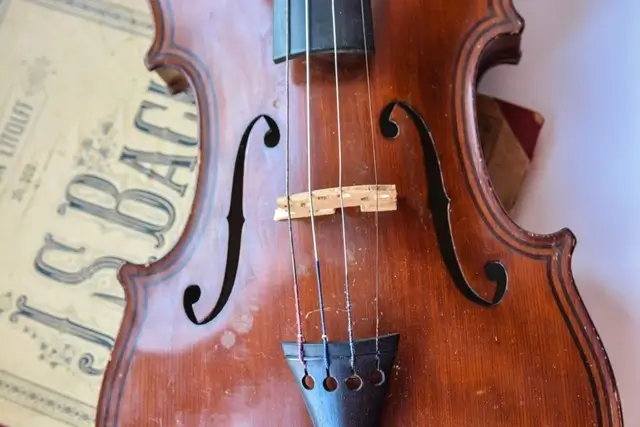
The violin is famous for producing a melodious sound that is complete music to the ears, but the sound that it has achieved today is not what it originated with.
From ancient times to the modern era, the violin has undergone a huge evolution, and many advancements were made along the way. What makes it even more fascinating is that despite all these changes, antique and modern violin models continue to exist side by side.
Whether you are a seasoned player or looking for a violin guide for beginners, understanding the different types available is the first step to finding the right fit. Each type carries its own history, sound, and purpose.
In this guide, we cover four key violin types — from the timeless classic to the electrifying modern version — so you can figure out which one suits your playing style best.
The Ultimate Violin Guide: 4 Types of Violins Every Player Should Know
Source: Unsplash.
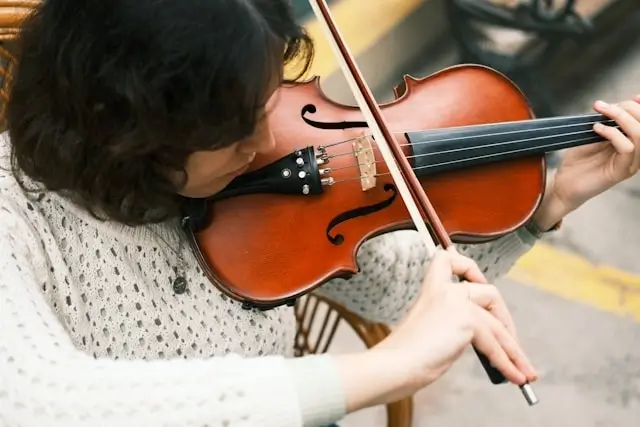
Modern or Classic Violin
The modern or classic violin is basically the first violin that was invented, with the core structure and design that is still being followed.
These violins are made using materials like spruce for the body, maple for the tailpiece and fingerboard, and ebony for the tuning pegs. It also has a distinctive shape and was designed along with the cello and viola.
The sound holes were engraved carefully to give the violin projection and resonance. It produces a vibrant and warm tone and is still preferred by chamber musicians, soloists, and orchestra players.
Source: Unsplash.
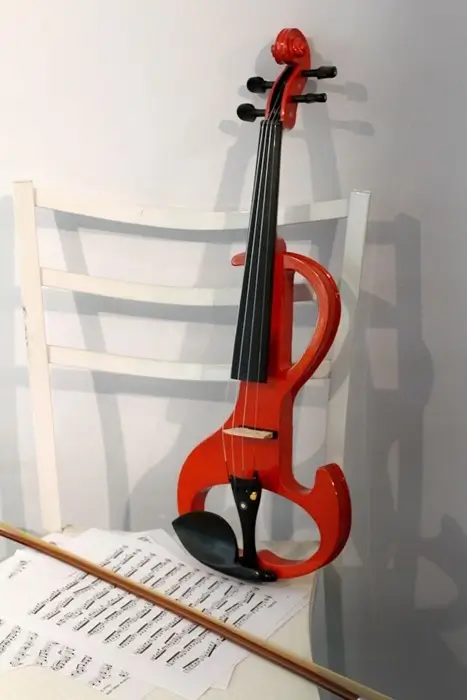
Electric Violins
Often regarded the modern variations of the traditional violin, electric violins became popular in recent times, along with electric guitars.
It was developed in the 20th century and comes with an electronic output to amplify the sound it produces.
It features an ergonomic and sleek design and is made using lightweight materials like synthetic composites and carbon fiber, making it easier to carry for stage performances. It also features control to manage the tone and volume, and power to connect to the amplifiers.
The range of tones it produces is ideal for jazz, rock and classical.
Source: Unsplash.
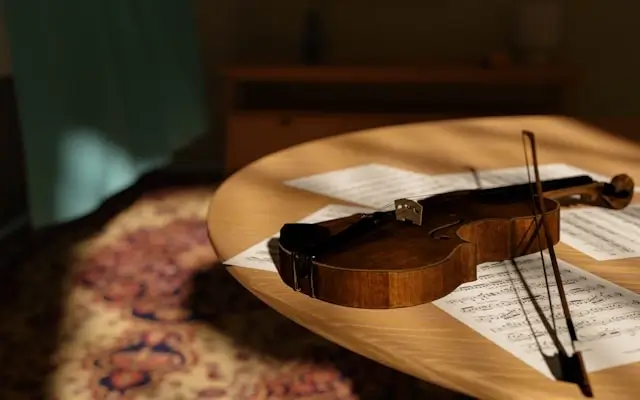
Baroque Violin
Easier to guess that the Baroque violin is designed to play music and tones from the Baroque period, from 1600 to 1750.
Its history is the most fascinating one and was invented in Italy during the early 16th century. The credit to design this violin goes to Andrea Amati, and the construction differs from modern time violins because it has a shorter neck, gut strings, and a flatter bridge.
It is still in use and produces a mellow and warm tone perfect for complex melodies composed in today’s time. The famous composers who made Baroque violins popular in modern times are Vivaldi, Handel, and Bach.
Source: Unsplash.
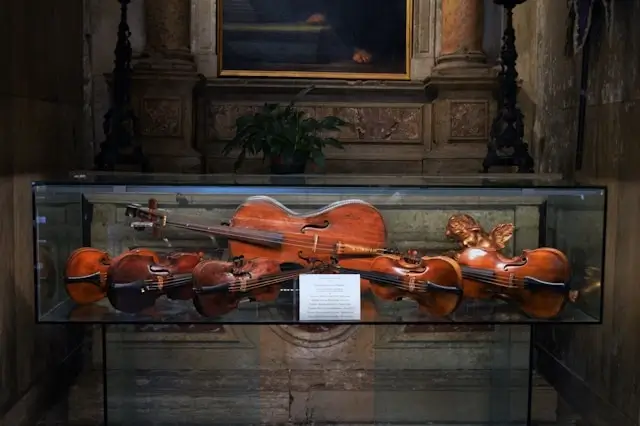
Hardanger Violin
Also known as Hardingfele, Hardanger Violin is a traditional string instrument with its origin in Norway, and it is often used to produce fiddle style sound.
A national instrument from Norway, its history can be traced back to the 17th century. Its distinctive feature is the 4 to 5 sympathetic strings that rest beneath the fingerboard and produce a haunting tone.
In Norway, it is played in traditional folk music, but is also played widely in the modern genres because it adds depth to the music. Though played mainly in Norway, it is played all around the world.
These are not just the only types of violins that are played today, but there are more that you will find on your hunt of ideal type of violins to play. You must know about all, as not every type can define your playing style, and there should be one that can enhance your playing style.
Source: Depositphotos.
Conclusion
The world of violins is as diverse as the music it produces, and each type brings something unique to the table. From the warm tones of the classic violin to the haunting resonance of the Hardanger, there is truly something for every kind of player.
Understanding these differences is what this violin guide set out to do — and hopefully, it has made the landscape a little clearer. No two violins are the same, and neither are the players behind them.
Whether you are drawn to the rich history of the Baroque violin or the modern versatility of the electric, your choice of instrument can shape your entire musical journey. It is worth taking the time to explore each type before settling on one.
The right violin is not just about sound — it is about finding the one that feels like an extension of who you are as a musician. That connection makes all the difference when you pick up the bow.
If this post helped you get closer to finding your ideal violin, feel free to share it with fellow players who might be on the same journey. There is always more to learn, and the right instrument is just the beginning.
Disclaimer:
This post may contain affiliate links. I receive a small commission at no cost to you when you make a purchase using my link.