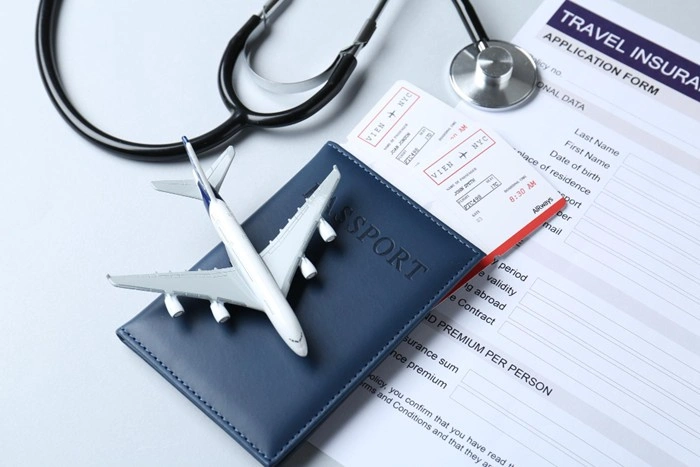
Skipping travel insurance might seem harmless until something goes wrong thousands of miles from home. The reality of traveling without travel insurance is that even a minor medical issue or a stolen bag can spiral into a serious financial setback.
In many popular destinations, international visitors are not entitled to public healthcare, meaning private treatment is the only option — and private treatment is rarely cheap. Add in the risk of trip cancellations, lost luggage, and legal liability, and the picture becomes even clearer.
This is why securing overseas visitor health insurance is essential, it helps cover unexpected expenses and ensures you can receive proper care when you need it most.
Read on to find out exactly what you're risking, and why the right cover could be one of the most important decisions you make before traveling.
Top 10 Risks of Not Having Travel Insurance: What Could Go Wrong & Why You Should Have One
Source: Magnific.
High Medical Costs Can Become Financially Overwhelming
One of the most immediate risks of traveling without insurance is the cost of medical treatment.
In many developed countries, healthcare is not free for international visitors. Even basic medical services can be expensive, and emergency treatment can quickly escalate into thousands of dollars.
For example, a simple visit to a general practitioner can cost significantly more than expected, while hospital admissions, surgeries, or emergency procedures can result in extremely high bills.
Without travel insurance, you are responsible for paying these costs out of pocket.
In serious cases, such as accidents or sudden illness while traveling, medical expenses can reach tens of thousands of dollars or more. This financial burden can have long-term consequences, including debt or the inability to continue your travel plans.
Limited Access to Healthcare Services
Source: Magnific.
Without insurance, access to healthcare may be restricted or delayed.
Many private hospitals and clinics require proof of insurance or upfront payment before providing treatment. In emergency situations, this can create delays that may worsen medical conditions.
In some countries, non-residents are not eligible for public healthcare systems at all, meaning treatment is only available through private providers.
Without insurance, you may face difficulties finding affordable care or be forced to choose between high costs and delaying treatment.
Insurance ensures that you can access medical services promptly without worrying about immediate financial barriers.
Emergency Situations Become Extremely Expensive
Source: Magnific.
One of the most critical aspects of insurance is coverage for emergencies. Accidents, sudden illness, or unforeseen health conditions can occur at any time while traveling abroad.
Without insurance, emergency services such as ambulance transport, hospital admission, surgery, or intensive care can become financially overwhelming.
In severe cases, emergency medical evacuation back to your home country can cost tens of thousands of dollars.
Insurance provides protection against these unexpected events, ensuring that you receive necessary care without facing unmanageable expenses.
No Protection for Trip Cancellations or Disruptions
Source: Magnific.
Traveling without insurance also means you have no financial protection if your plans change unexpectedly.
Trip cancellations due to illness, family emergencies, or external events such as natural disasters are not uncommon.
Without insurance, you risk losing non-refundable expenses such as flights, accommodation, and tours. Similarly, travel delays or interruptions can result in additional accommodation and transport costs that you must cover yourself.
Insurance helps reduce these risks by compensating for eligible cancellations and disruptions, providing financial security when plans change unexpectedly.
Loss or Theft of Belongings
Source: Magnific.
Losing luggage, personal belongings, or important documents while overseas can be stressful and costly. Without insurance, you will need to replace these items at your own expense.
This can include passports, electronics, clothing, and travel essentials. In some cases, theft or loss can also disrupt your ability to continue your trip as planned.
Travel insurance typically provides coverage for lost, stolen, or damaged belongings, helping to minimize financial loss and inconvenience.
Legal and Liability Risks
Accidents involving third parties can also lead to legal and financial consequences.
If you accidentally cause injury to someone or damage property while overseas, you may be held legally responsible for compensation.
Without insurance, legal fees and compensation costs must be paid out of pocket, which can be substantial depending on the severity of the incident.
Personal liability coverage included in most travel insurance policies helps protect you from these unexpected legal expenses.
Stress and Emotional Impact
Source: Magnific.
Beyond financial consequences, traveling without insurance can create significant stress and anxiety.
The uncertainty of facing medical emergencies or unexpected costs can affect your ability to enjoy your time abroad.
In emergencies, lack of insurance can make it difficult to focus on recovery or problem-solving, as financial concerns become a major source of stress. Insurance provides peace of mind, allowing you to focus on your health, safety, and overall travel experience.
Visa and Legal Compliance Issues
Source: Magnific.
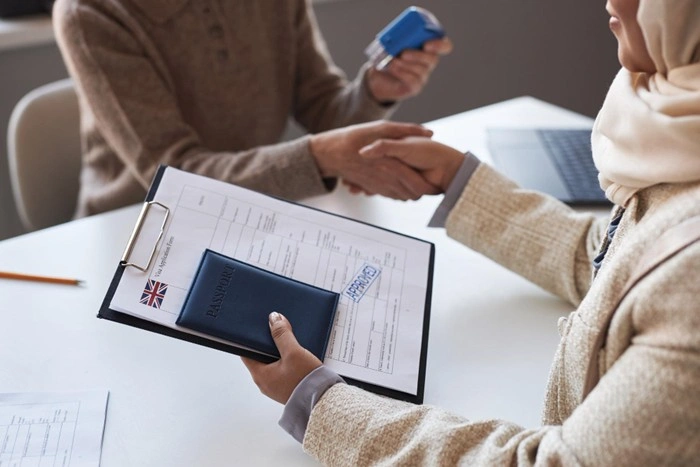
In some countries, having health insurance is a legal requirement for certain visa types.
For example, international students in Australia must hold Overseas Student Health Cover (OSHC), while some working holiday visas require Overseas Visitor Health Cover (OVHC).
Failing to maintain required insurance can result in visa breaches, penalties, or even visa cancellation. It is important to understand the insurance conditions attached to your visa before traveling.
Difficulty Accessing Assistance Services
Many insurance providers offer 24/7 emergency assistance services that help travelers navigate medical emergencies, hospital admissions, and travel disruptions.
Without insurance, you lose access to this support network.
These assistance services can be invaluable in unfamiliar countries where language barriers, healthcare systems, and legal requirements may be difficult to navigate alone.
Source: Magnific.
Long-Term Financial Consequences
The financial impact of not having insurance abroad can extend well beyond your trip. Large medical or legal bills may result in debt, damaged credit, or long-term financial strain.
In some cases, unpaid medical expenses can even affect future visa applications or travel opportunities. Insurance helps prevent these long-term consequences by covering eligible costs and reducing financial risk.
Conclusion
Source: Magnific.
When you weigh it all up, the risks of not having travel insurance are simply not worth taking. Whether it's a sudden illness, a stolen passport, or an unexpected flight cancellation, the costs of being unprotected add up fast.
Healthcare alone can be prohibitively expensive for international visitors in countries like Australia, the US, and across Europe. Without insurance, you're one emergency away from a bill that could take years to recover from.
Travel disruptions, lost luggage, and personal liability are all additional layers of risk that most travelers don't think about until they're already dealing with them. The right policy takes care of all of it, so you don't have to.
Insurance also isn't just about finances — it's about being able to focus on your health, your safety, and your experience without constant worry in the background. That peace of mind alone makes it worth every cent.
Don't leave home without the right cover in place. Check your overseas visitor health insurance options before your next trip and make sure you're fully protected from day one.
Disclaimer:
This post may contain affiliate links. I receive a small commission at no cost to you when you make a purchase using my link.