Travel has a unique way of shaking up your routine. You switch time zones, step into new environments, and suddenly find yourself relying on items you might easily overlook at home.
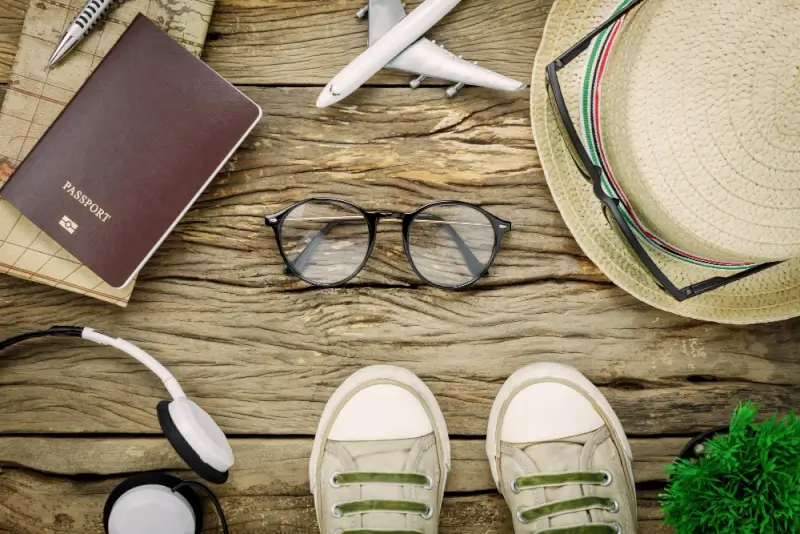
One of the most underrated essentials for any trip is a good pair of reading glasses for travel. They take up almost no space, weigh next to nothing, yet they solve countless small frustrations that can creep into your journey.
Think about all the times you need to read something while traveling—boarding passes, menus, maps, phone screens, museum plaques. Without clear vision, these simple tasks turn into squinting marathons that drain your energy and kill your vibe.
Below, we explore why packing them isn't just convenient but genuinely smart, from reducing eye strain on long flights to helping you navigate unfamiliar cities with confidence.
How Do Reading Glasses Improve Your Overall Travel Experience?
When you are away from home, you constantly interact with text. It could be your boarding pass, your hotel reservation, a menu at a dimly lit restaurant, or the tiny print on a train timetable.
Without the right eyewear, you end up straining your eyes, squinting, or holding things far away from your face while trying to make out the details.
Reading glasses keep the experience smooth. Instead of battling blurry letters, you stay comfortable and relaxed.
The trip feels easier because you are not wasting energy on basic tasks. Travel already requires enough planning and attention. You should not add unnecessary effort to simple reading.
Why Do They Make Long Flights and Delays More Comfortable?
Source: Freepik.
Airports and airplanes often amplify eye fatigue. The lighting is inconsistent, cabin air is dry, and the environment is not ideal for extended focus.
Still, this is when people tend to read the most. Whether you are flipping through a novel, browsing in-flight entertainment controls, or checking your itinerary, clear vision makes the hours move faster.
Reading glasses help reduce headaches and eye strain during long stretches of concentration.
You do not want your flight experience disrupted by discomfort when a small accessory can prevent it. A pair of glasses is far easier to carry than a bottle of pain reliever.
Do They Make It Easier to Enjoy Travel Documents and Local Materials?
Absolutely. Traveling means constant decision-making, and most of those decisions rely on printed or digital information.
Maps, brochures, tickets, receipts, rental agreements, safety instructions, and foreign currency all involve text that may be smaller than you expect.
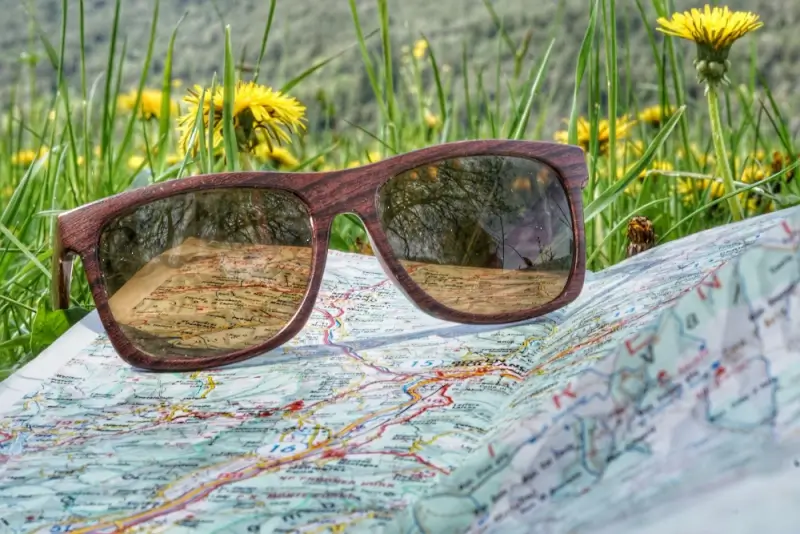
If you love exploring new places on foot, you might also rely on physical guidebooks or walking maps. Being able to read them without struggling helps you move confidently.
When text is crisp and clear, you navigate faster, understand instructions easily, and avoid embarrassing or costly mistakes.
Many travelers choose progressive reading glasses because they allow you to switch between near and mid-range vision without constantly removing or swapping eyewear. This is especially convenient when you need to look at your phone, glance at a sign across the room, and then return to a map.
Source: Freepik.
How Do They Support Digital Device Use During a Trip?
Phones become your lifeline during travel. You use them to check directions, read reviews, convert currency, translate languages, send messages, take photos, and scan QR codes.
The more you rely on your device, the more important comfortable reading becomes. If your eyes struggle with small fonts, the constant squinting can lead to fatigue.
Reading glasses help maintain comfort during long hours of phone use, especially when you are dealing with unfamiliar apps or rapidly switching between tasks.
In addition, they also support healthier posture because you do not have to lean forward or lift the phone too close to your face.
Are Reading Glasses Helpful for Outdoor Activities?
Many people think reading glasses are for indoor use only, but they play a big role outdoors too. When checking a map on a hiking trail, reading instructions on sunscreen, or adjusting settings on a camera, clear close-up vision is essential.
Travelers who enjoy museums, historic sites, or guided tours also benefit.
Exhibit descriptions, plaques, and museum labels are often printed in small fonts. Instead of missing out on details, your reading glasses help you fully appreciate the experience.
They are useful even during everyday moments like browsing a local market, reading product labels, or checking ingredient lists before trying something new.
What Happens If You Forget Them While Traveling?
Source: Freepik.
The inconvenience hits quickly. Without your reading glasses, simple tasks become stressful.
You might hesitate to order from a menu because the text looks blurry, or you may misread a hotel invoice. Even filling out immigration forms can become frustrating.
Stores may be hard to find, especially outside major cities. The available strengths may not match your needs, and you might end up with low-quality glasses that break easily. Prices can also be unpredictable.
Packing your own solves all of this. It keeps your trip flowing smoothly and eliminates unnecessary hassles.
Should You Pack a Backup Pair?
It is a smart idea. Reading glasses are small, but they can be fragile or easy to misplace during busy travel days.
A backup pair ensures you are prepared if something happens. Many travelers keep one in their carry-on and another in their checked luggage. This way, you are covered even if one bag goes missing or you accidentally leave a pair behind at a restaurant or hotel.
Some people also pack a different style for different scenarios, such as a compact folding pair for quick access or a sturdier pair for heavy indoor reading.
What Should You Consider When Choosing Glasses for Travel?
Comfort and durability should be at the top of your list.
Lightweight frames are ideal because they do not put pressure on your ears or nose during long wear. Flexible frames can handle bumps and drops better during travel. Scratch-resistant lenses also extend the life of your glasses.
Choose a protective case to prevent damage inside your bag. A hard case works best for travel days, while a soft pouch is useful for everyday access.
If you plan on switching between reading and looking at distant objects, consider options with multiple focal strengths. They eliminate the need to switch glasses constantly, making your journey more convenient.
Source: Freepik.
Conclusion
Reading glasses may seem like a small item, but they make a big difference during travel. They support comfort, confidence, and efficiency.
They help you stay relaxed, make informed decisions, and enjoy every moment without unnecessary strain. Whether you are exploring new cities, navigating airports, or simply relaxing with a book, having the right pair with you ensures a smoother and more enjoyable trip.
Packing them is simple. The benefits are huge. Your eyes will thank you every step of the way.
Disclaimer:
This post may contain affiliate links. I receive a small commission at no cost to you when you make a purchase using my link.