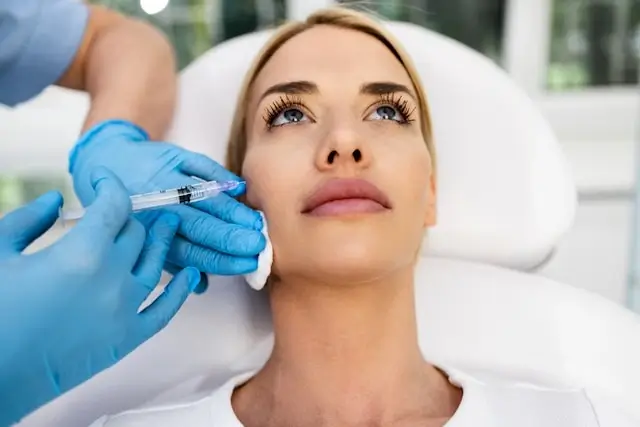
Step into any high-end aesthetic clinic and you'll feel it instantly — that strange mix of calm and precision, like everything is too perfect but somehow still human. It's easy to assume that feeling comes from marble floors or soft lighting.
But behind that calm exterior, every luxury wellness business runs on something far less glamorous: an almost obsessive system of medical supply selection. Sterility ratings, cold-chain logs, supplier audits — none of it makes it into the brochure, but all of it makes the experience possible.
So what exactly are these clinics so paranoid about, and why does one questionable vial mean dropping a supplier entirely? Turns out, the answer says a lot about how trust actually gets built in this industry.
Let's break down what's really happening behind the scenes — from sourcing standards to the quiet science most clients never see.
What High End Wellness Hubs Really Look for in Medical Supplies
Source: Pexels.
When “Luxury” Actually Means Control, Not Decoration
You might assume luxury wellness hubs care mostly about branding or ambiance. But honestly? They care more about control than anything else.
Control over safety. Control over sourcing. Control over consistency.
Because once you start dealing with injectables, skin boosters, surgical tools, or regenerative products, there’s no room for “maybe this is fine.” Everything has to be traceable, certified, and clinically validated. No guessing. No shortcuts.
And sometimes I think people misunderstand that part. The luxury isn’t the gold logo on the door—it’s the fact that nothing inside that clinic is random.
As one report from the World Health Organization (WHO) puts it: “Medical product quality assurance is a cornerstone of patient safety and effective healthcare delivery.”
Simple sentence, but it basically explains the entire industry mindset.
Source: Pexels.
The Invisible Backbone: Medical Supply Standards
If you peek behind the curtain of these wellness hubs, you’ll notice something kind of repetitive: documentation. Lots of it.
Batch numbers. Sterilization logs. Cold-chain tracking. Supplier certifications. It almost feels excessive… until you realize one mistake can affect someone’s face, health, or long-term tissue response.
The Mayo Clinic has repeatedly emphasized: “Using properly regulated and approved medical products reduces the risk of complications and improves treatment outcomes.”
And yeah, that sounds obvious. But in luxury aesthetics, “properly regulated” doesn’t just mean legal—it means globally trusted.
So clinics end up choosing suppliers the way luxury fashion houses choose materials: carefully, slowly, and with a slightly paranoid level of detail.
Source: Unsplash.
What High-End Clinics Actually Look for
Let’s break it down simply. When a luxury wellness hub evaluates medical supplies, they’re usually obsessed with:
Sterility assurance levels (SAL ratings)
Material biocompatibility
Manufacturer transparency
Regulatory approval across multiple regions (FDA, CE, etc.)
Cold-chain stability (especially for injectables and biologics)
Batch consistency (this one gets overlooked a lot, but it matters)
And here’s where it gets interesting: even slight inconsistencies in formulation or packaging can make a clinic drop a supplier instantly.
I once heard a practitioner say (and I still remember this because it sounded dramatic but kind of true), “If I have to question one vial, I question the entire brand.”
A bit intense? Maybe. But also… fair.
The Role of Injectables in Luxury Aesthetic Care
Source: Depositphotos.
Now we get into the part most people are curious about: injectables.
Botulinum toxins, dermal fillers, skin boosters, regenerative peptides—this is where precision becomes everything. And the sourcing chain here is extremely tight.
A Journal of Cosmetic Dermatology review notes: “The safety profile of injectable treatments is strongly dependent on product authenticity and storage integrity.”
That “authenticity” part is huge. Counterfeit or improperly stored injectables can lead to complications that no luxury clinic wants associated with their name. Ever.
This is also where the role of a professional cosmetic injectables supplier becomes central. Not just as a distributor, but as a controlled gatekeeper of safety, consistency, and compliance across borders. Clinics don’t just buy products—they build long-term supply trust relationships.
And honestly, that relationship part gets underestimated. It’s not transactional. It’s almost… relational? Like clinics are quietly asking, “Can I trust you with my patient outcomes?” without ever saying it directly.
Why Sourcing Can Make or Break Reputation
Here’s something people outside the industry rarely consider: in luxury wellness, reputation is extremely fragile.
One adverse reaction—even if unrelated to the product—can ripple across social media fast. And suddenly, your “premium aesthetic hub” becomes a cautionary tale.
The International Society of Aesthetic Plastic Surgery (ISAPS) once highlighted: “Patient safety and product reliability remain central to maintaining trust in aesthetic medicine globally.”
Trust is the keyword here. Not marketing. Not luxury interiors. Trust.
So clinics overcorrect. They choose suppliers who are not just compliant, but over-documented, over-tested, and over-transparent.
Sometimes I think they’d rather deal with slightly higher costs than even a 1% uncertainty. And honestly? That makes sense.
The Quiet Science Behind Every Decision
Source: Unsplash.
You might not see it, but there’s always a science committee vibe in these places—even if it’s just one aesthetic doctor sitting with a laptop at 2 a.m. reviewing product specs.
They’re comparing:
pH stability curves
molecular weight distribution (for fillers)
peptide chain integrity
viscosity behavior under temperature shifts
It’s not glamorous. It’s more like lab work disguised as beauty care.
And I remember thinking once (well, actually I still think this sometimes), how strange it is that something so “luxury” is built on such technical obsession.
But maybe that’s the point.
Pro Tip #1:
Just because a product looks premium doesn’t mean it meets cross-border compliance standards.
Always check:
Multi-region certifications
Manufacturing traceability
Cold-chain documentation
Because aesthetics without regulation is just… decoration. Nothing more.
The Supply Chain Pressure Nobody Talks About
Source: Depositphotos.
Here’s a less glamorous truth: even luxury clinics struggle with supply delays, regulatory bottlenecks, and shipping temperature control.
A Harvard Health Publishing article once noted: “Temperature-sensitive biologics require strict handling protocols to preserve efficacy.”
Now imagine that at a global scale. A shipment from Europe to the Middle East or Asia can’t just “hope for the best.” It needs active monitoring the entire way.
And yeah, sometimes things go wrong. Delays happen. Packages get stuck. Storage conditions fluctuate.
Clinics that survive these disruptions are usually the ones with extremely reliable supplier ecosystems.
Pros and Cons of High-End Medical Supply Ecosystems
And maybe that’s what luxury actually is in this space: controlled imperfection.
Pro Tip #2:
If you’re involved in aesthetics—whether as a practitioner or curious client—don’t just look at the product name.
Ask:
Where was it manufactured?
How is it stored before use?
Who handles distribution?
These questions feel small, but they quietly determine everything.
Where the Industry Is Heading
Source: Unsplash.
There’s a noticeable shift happening now. Clinics are starting to demand:
AI-based inventory tracking
Blockchain supply verification (yes, really)
More biologically adaptive injectables
Sustainable packaging for medical goods
It feels a bit futuristic, maybe even over-engineered, but the direction is clear: transparency is becoming luxury. Not gold plating. Not marketing language. Transparency.
Final Thoughts
Source: Unsplash.
If you strip everything down, high-end wellness hubs aren’t obsessed with luxury—they’re obsessed with predictability.
They want to know that every syringe, vial, and device will behave exactly as expected. No surprises. No inconsistencies. No hidden risks.
And that’s why medical supply selection becomes almost philosophical in this world. It’s not just procurement, it’s trust-building at a biological level.
Maybe that sounds dramatic… but spend enough time in this industry and you start realizing: beauty treatments are only as safe as the weakest point in the supply chain.
So when you see a calm, glowing clinic from the outside, remember what you’re really seeing is the end result of hundreds of invisible decisions, strict standards, and probably a few sleepless nights over supplier reliability.
And yeah, it’s not always perfect. But it’s carefully, intentionally imperfect… which is kind of the whole point.
Disclaimer:
This post may contain affiliate links. I receive a small commission at no cost to you when you make a purchase using my link.