Active travel is no longer just about sightseeing — it's hiking switchbacks, cycling coastal roads, and clocking 20,000 steps before dinner. Your body keeps up in the moment, but the aftermath tells a different story.
Muscle soreness, skin fatigue, and slow recovery can quietly steal the joy from even the best trips. More travelers are now exploring peptide benefits for travelers as part of a smarter recovery approach — and the science behind it is worth understanding.
This post breaks down how regenerative peptides work, what the research actually says, and why recovery has become as important as the itinerary itself.
There’s something strange about travel fatigue. You can work out regularly at home and feel fine, but spend three days trekking through uneven terrain or carrying luggage through airports, and suddenly your knees, shoulders, and lower back are staging a protest.
Maybe it's the combination of poor sleep, dehydration, unfamiliar movement patterns, and just doing more than usual.
I remember talking to a traveler who completed a multi-day trek and insisted the hardest part wasn't the climbing—it was sitting down afterward. Honestly, I believed him immediately.
Active travel creates a unique kind of physical stress. Your muscles experience micro-damage during long hikes, cycling tours, climbing excursions, and even extended walking days. Normally, your body repairs that damage naturally. The challenge is that recovery sometimes can't keep pace with your itinerary.
That's where conversations around regenerative medicine have started becoming more common.
What Are Regenerative Peptides?
Soure: Magnific.
The word “peptide” sounds complicated, but peptides are actually short chains of amino acids that act as signaling molecules throughout the body. Think of them as messengers.
Certain peptides help communicate instructions related to tissue repair, collagen production, inflammation management, and cellular regeneration.
Researchers have been studying specific peptides for their potential role in recovery, healing, and performance support.
Now, it's important not to treat peptides like magic. Social media sometimes turns them into miracle solutions, which is…well, not exactly accurate.
The science is promising in some areas, still developing in others, and highly dependent on the specific peptide involved.
According to researchers publishing through the National Institutes of Health, peptides have demonstrated potential therapeutic applications due to their ability to target biological processes with relatively high specificity. That's encouraging, but it also means context matters.
Recovery Isn't Just About Muscles
Source: Magnific.
One thing people often overlook is that active travel recovery isn't only about sore legs.
Your skin takes a hit too. Sun exposure, altitude changes, dry airplane cabins, inconsistent sleep schedules, and environmental stressors can all impact how your skin looks and feels. Sometimes you come home from an amazing trip and your face looks like it stayed behind somewhere around day four.
The first time I spent several days outdoors in a high-altitude environment, I honestly thought my skin looked ten years older afterward. Dramatic? Maybe. But that's how it felt.
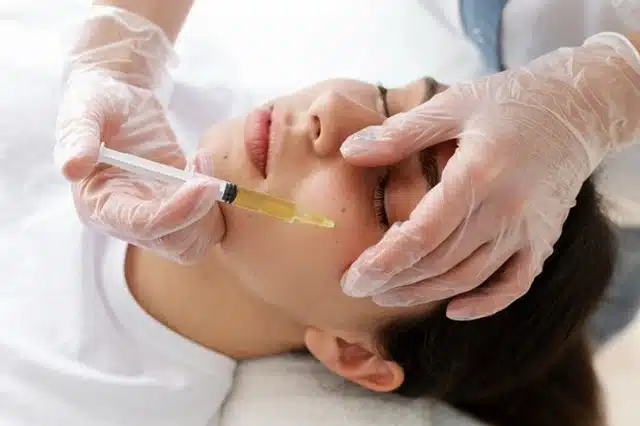
Some regenerative peptides are being explored for their role in supporting collagen synthesis and skin repair processes, making them interesting not only for athletes but also for people who care about healthy aging and aesthetics.
That crossover between wellness and beauty is probably one reason peptide discussions have become so popular lately.
Where Regenerative Peptide Solutions Fit Into Active Recovery
Source: Magnific.
Around the middle of the recovery conversation, you'll often hear people discussing regenerative peptide solutions as part of a broader wellness strategy.
The key phrase there is “part of.” Not the entire strategy. Not the only strategy. Part of it.
When used under appropriate medical guidance, certain peptides are being studied for their potential ability to support tissue repair, recovery efficiency, collagen production, and overall regenerative processes.
Research published in the journal Frontiers in Bioengineering and Biotechnology noted that peptide-based therapies are increasingly being investigated because of their potential to influence wound healing, tissue regeneration, and cellular communication pathways.
That's fascinating because recovery isn't just about reducing soreness. It's about helping the body restore balance after stress. And travel, even fun travel, is still stress.
Expert Insight: What Research Actually Shows
One refreshing thing about peptide research is that many scientists remain cautious rather than overly enthusiastic.
As researchers wrote in Nature Reviews Drug Discovery: “Peptides combine the advantages of small molecules and biologics.”
That balance is one reason they continue attracting attention in regenerative medicine.
Similarly, experts from the Cleveland Clinic emphasize that recovery and healing are multifactorial processes involving nutrition, sleep, hydration, movement, and appropriate medical interventions—not any single solution.
Another review published through the National Library of Medicine highlighted growing evidence that specific peptides may contribute to tissue repair and regeneration pathways, though additional clinical studies remain necessary for many applications.
In other words… Interesting? Absolutely. Settled science? Not entirely. And honestly, that's okay. Science is supposed to evolve.
The Skin Benefits Travelers Are Talking About
Source: Magnific.
Let's switch gears for a second.
Because while recovery discussions usually focus on muscles and joints, many active travelers are increasingly interested in how regenerative approaches affect skin quality.
Extended outdoor adventures can accelerate visible signs of fatigue:
Dryness
Dullness
Uneven texture
Reduced elasticity
Environmental stress damage
Some peptides have become popular in aesthetic medicine because they may support collagen production and skin remodeling processes.
The result isn't necessarily dramatic overnight transformation. In fact, people expecting instant changes are usually disappointed.
Instead, the appeal is subtle improvement over time. Better resilience. Healthier appearance. A bit more bounce and firmness. Sometimes that's exactly what people want.
Pro Tip: Don't Ignore Recovery Basics
Source: Magnific.
Before investing in advanced recovery strategies, make sure the fundamentals are covered.
It sounds boring compared to cutting-edge wellness trends, but these habits continue to outperform shortcuts. Every. Single. Time.
The Potential Downsides Nobody Talks About Enough
Here's where I get slightly opinionated.
Some wellness conversations online make peptides sound risk-free. They're not.
Peptide therapies vary significantly depending on the compound, delivery method, medical supervision, and individual health status.
Potential concerns can include:
Limited long-term data for some compounds
Variable product quality
Regulatory differences between regions
Cost
Unrealistic expectations
I've seen people spend enormous amounts of money chasing the latest wellness trend only to discover they were skipping basic recovery habits the whole time.
That's kind of like buying expensive hiking boots and forgetting to bring water. The priorities get mixed up.
Why Recovery Is Becoming Part of the Travel Experience
Source: Magnific.
There's been an interesting shift over the last few years. People aren't just planning trips anymore. They're planning recovery too.
Wellness tourism, recovery-focused retreats, longevity clinics, and regenerative medicine centers are becoming part of travel culture itself. And honestly, that makes sense.
If you're investing time, money, and energy into meaningful experiences, you probably want your body and skin to keep up. Not in a perfectionist way. Just in a sustainable way.
You want to hike the trail, explore the city, take the photos, enjoy the food, and still feel reasonably functional afterward. That's a pretty reasonable goal.
Pro Tip: Think Long-Term, Not Quick Fixes
The best recovery strategy is the one you'll maintain consistently.
Whether that includes peptides, recovery treatments, better nutrition, or simply prioritizing sleep, focus on habits that support your body for months and years rather than chasing dramatic short-term results. Your future self will probably thank you.
Final Thoughts
Source: Magnific.
Active travel asks a lot from your body. Between trekking, climbing, cycling, swimming, and endless sightseeing, recovery becomes more important than many people realize.
Regenerative peptides represent an exciting area of research that may offer support for tissue repair, recovery, and skin health.
The science continues to evolve, and while the potential is promising, these therapies work best when viewed as one piece of a larger wellness picture.
The real secret isn't finding a miracle solution. It's combining smart recovery habits, realistic expectations, and evidence-based tools that help you feel stronger after every adventure.
Because the goal isn't just to survive your travels. It's to come home feeling energized enough to start planning the next one…
Disclaimer:
This post may contain affiliate links. I receive a small commission at no cost to you when you make a purchase using my link.