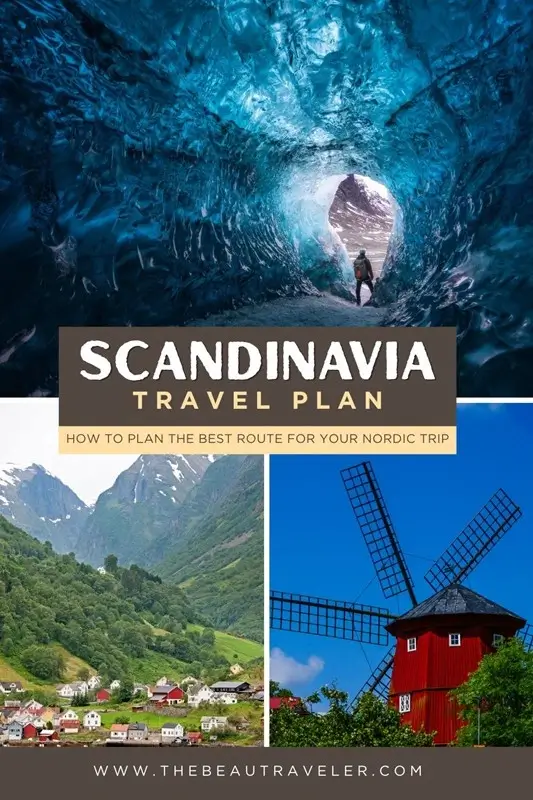
Fjords, capital cities and famous viewpoints tend to dominate every Scandinavian itinerary. Yet the moments travelers remember most often happen in between: a ferry to a quiet island, a sauna by a lake or a coastal village nobody else stopped for.
Knowing how to plan a Nordic trip comes down to balancing iconic sights with these smaller discoveries. Get it wrong and the journey turns into a rushed checklist; get it right and every stretch of road becomes part of the adventure.
This guide breaks the process into practical steps, from building a route around experiences rather than overnight stops to spotting the places most travelers drive straight past. It also explains why unpredictable weather and deceptively long driving times should shape your schedule.
Whether the route takes in Norway, Iceland, Sweden or Finland, the same approach applies. Here’s how to see the headline scenery without missing the hidden gems that make the trip truly memorable.
How to Make Your Trip to Scandinavia Truly Unforgettable
Source: Unsplash.
Build the Route Around Experiences, Not Just Destinations
A strong Nordic itinerary starts with deciding what you want to experience before choosing every overnight stop.
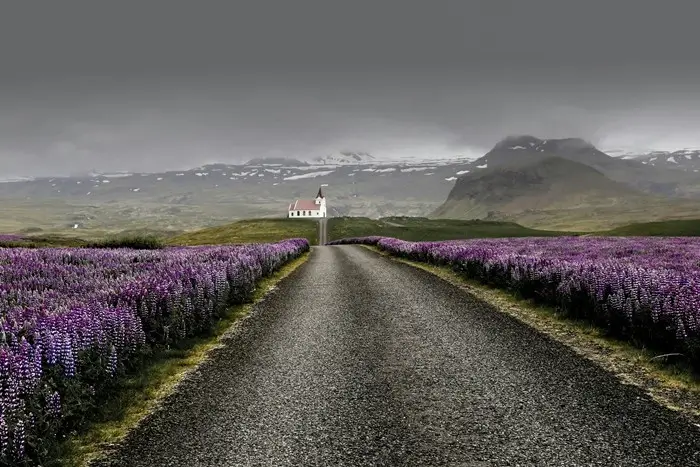
Norway may call for fjord landscapes and mountain roads, while Iceland offers volcanic terrain, geothermal areas and remote coastlines. Sweden and Finland bring a different rhythm, with forests, lakes, archipelagos and long stretches of wilderness.
When researching routes, resources such as https://nordicsaga.com/ can help bring different Nordic destinations and travel possibilities together, making it easier to look beyond the standard city-to-city itinerary.
Source: Unsplash.
A useful planning approach is to divide the journey into three layers:
Major landmarks: the places that define the region and justify the trip;
Local experiences: markets, small museums, traditional food, saunas, boat trips or village walks;
Flexible discoveries: viewpoints, short trails and spontaneous stops that can be added when conditions allow.
This structure prevents the itinerary from becoming overloaded. It also leaves room for the unexpected, which is particularly valuable in northern regions where weather and road conditions can change quickly.
Find the Places That Most Travelers Drive Past
Source: Unsplash.
Hidden gems are not necessarily secret locations that appear on obscure maps. Often, they are ordinary places that receive less attention because travelers are rushing towards a famous attraction.
A secondary road, small island or regional nature reserve can provide a completely different experience from a crowded landmark.
Local geography is especially useful when searching for these alternatives. Instead of staying directly beside a famous destination, look at nearby communities and smaller protected areas.
Traveling slightly outside peak hours can also transform a well-known location without requiring a different route.
Source: Unsplash.
Keep a shortlist of possibilities rather than fixing every stop in advance:
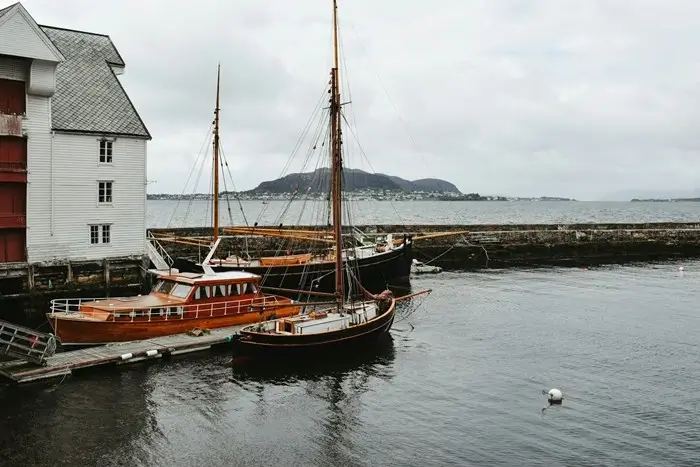
Small coastal settlements with local cafés and walking routes;
Lesser-known viewpoints near major scenic roads;
Regional museums focused on local history and culture;
Short hiking trails away from the busiest national attractions;
Islands or lakes accessible by local ferries.
The goal is not to avoid famous places altogether. They can be spectacular and deserve their place in a well-planned journey. The difference comes from combining them with quieter stops that give the trip a stronger sense of place.
Leave Space for Nordic Weather and Slow Travel
Source: Unsplash.
Northern Europe rewards travelers who allow some flexibility.
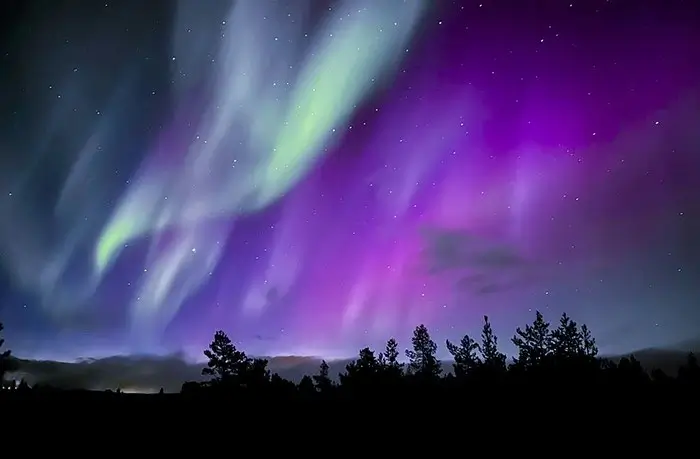
Rain, wind, fog, snow and sudden changes in visibility can affect hiking plans, ferry schedules and scenic drives. A rigid itinerary with several major activities booked for consecutive days can therefore create unnecessary pressure.
Building one or two flexible days into a longer trip provides a practical buffer.
If the weather disrupts a planned hike, that day can become an opportunity to explore a town, visit a museum or follow a shorter coastal route. If conditions are excellent, the extra time can be used for a longer walk or an additional viewpoint.
Transport should receive the same attention. Distances can look deceptively short on a map because winding roads, ferries and mountain passes make journeys slower than expected.
Checking realistic driving times and seasonal accessibility is often more important than calculating kilometers alone.
Make the Journey Part of the Destination
Source: Unsplash.
The best Nordic adventures are rarely defined by a single landmark. They emerge from the combination of landscapes, local encounters, changing weather and the freedom to stop when something catches your attention.
A carefully planned route should provide enough structure to avoid logistical problems while retaining enough space for discoveries.
Research the major highlights, identify quieter alternatives nearby, check seasonal conditions and avoid filling every hour with reservations. That balance makes it possible to see the iconic Nordic scenery without overlooking the smaller experiences that often become the strongest memories.
Conclusion
Source: Unsplash.
Planning a trip in Scandinavia works best when the route leaves room for more than the headline attractions. The fjords and capital cities deserve their place, but the quieter stops in between often give the journey its character.
Dividing the itinerary into major landmarks, local experiences and flexible discoveries keeps each day full without becoming overloaded. Pairing famous sights with nearby villages, smaller nature reserves and off-peak visits makes it easier to find hidden gems without overhauling the overall route.
Flexibility matters just as much as research in the north. One or two spare days, realistic driving times and a backup plan for bad weather can turn a disrupted schedule into an unexpected highlight.
The most rewarding Nordic adventures are rarely defined by a single landmark. They come together through changing landscapes, local encounters and the freedom to stop whenever something catches your eye.
Ready to start mapping out your own route? Save this guide for your next research session and share it with your travel companions so everyone can add their must-see stops to the shortlist.
Disclaimer:
This post may contain affiliate links. I receive a small commission at no cost to you when you make a purchase using my link.