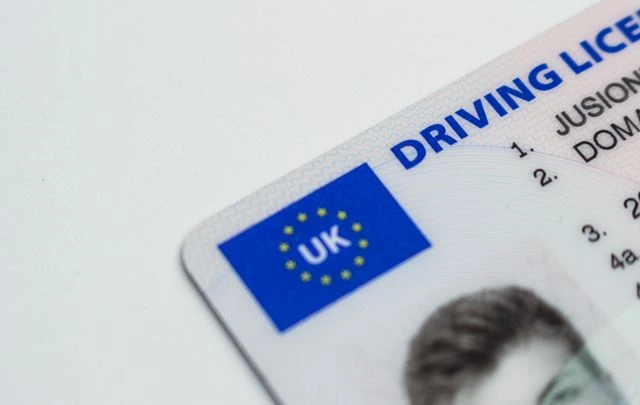
A suspended driving license doesn't pause the rest of life along with it. Work still starts at the same time every morning, and groceries still need buying.
None of it politely waits for a legal restriction to resolve itself. That mismatch, a restriction on driving colliding directly with an ordinary life that still requires actual movement, creates genuine pressure to find some kind of workaround.
Figuring out transportation with a suspended license matters enormously here, since not every option that seems like a reasonable workaround actually turns out to be one once the applicable rules get examined more closely.
Some alternatives carry their own licensing rules, some workarounds quietly create new violations, and some of the least glamorous options turn out to be the safest ones available.
What follows walks through how vehicle classification actually works, where the real risks hide, and which choices tend to hold up once they're examined closely.
Life After a Suspended License: How to Get Around Without Driving
Source: Pexels.
Not Everything With Wheels Is Legally the Same
It's tempting to assume that if something isn't technically a standard car, it must fall outside whatever restriction applies to a suspended license entirely. That assumption doesn't hold up consistently, and it can lead to genuinely serious complications.
Motorcycles, motor-driven cycles, scooters, and bicycles all occupy genuinely different legal categories, each with its own specific classification and requirements. Some of these fall under licensing rules that overlap meaningfully with standard driving privileges, others don't, depending on specific characteristics.
Recognizing that “not technically a car” doesn't automatically mean “legally fine to operate” matters considerably before assuming any particular alternative vehicle offers a genuinely safe workaround around an existing suspension.
It's a natural assumption to make, but it's also exactly the kind of assumption worth verifying before actually relying on it day to day.
The Vehicle Classification Matters
Source: Pexels.
What actually determines whether a particular vehicle requires standard licensing often comes down to specific technical characteristics, engine size, maximum speed capability, and other features that shape how a given vehicle gets classified under applicable law.
A vehicle with a small enough engine and limited enough speed might fall into a genuinely different regulatory category than a standard motorcycle, sometimes requiring less, or different, licensing than what a suspension might otherwise restrict entirely.
Understanding these specific classifications, rather than assuming based on general appearance or common naming, matters enormously for anyone trying to identify a genuinely legal transportation option while an existing suspension remains actively in effect.
A Workaround Can Become Another Violation
Source: Pexels.
Assuming a particular vehicle is legal to operate without actually confirming that assumption first creates real risk.
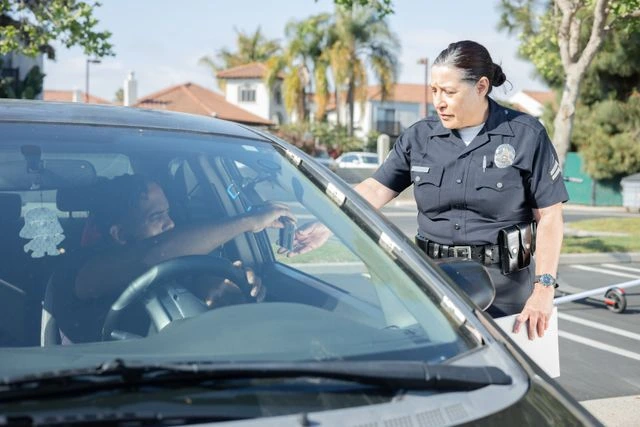
Operating something that turns out to fall under restrictions similar to a standard license can create an entirely new violation, layered on top of the existing suspension.
That new violation can complicate an already difficult situation considerably, sometimes extending the original suspension or creating additional consequences that make the overall situation meaningfully worse than it was before pursuing that particular workaround in the first place.
Verifying the actual legal status of any alternative transportation option before relying on it regularly matters enormously, rather than assuming a workaround is safe simply because it seems reasonable or because someone else mentioned doing something similar.
Sometimes the Boring Options Are the Safest
Source: Pexels.
Public transportation, while sometimes inconvenient, carries no risk of compounding an existing license problem.
Rides from friends or family offer a similarly safe option, even when coordinating schedules feels genuinely like an additional hassle to manage.
Rideshare services have made this considerably more practical than it used to be, offering flexible, on-demand transportation without any of the legal uncertainty that comes with operating a vehicle that might fall under restrictions similar to the existing suspension.
Walking or cycling where genuinely practical and permitted rounds out the safer alternatives, none of them glamorous, none of them as convenient as simply driving, but all of them considerably safer than gambling on an uncertain workaround.
Conclusion
Source: Pexels.
Needing genuine mobility while navigating a suspended license creates real, understandable pressure to find some kind of workaround, but that pressure doesn't change the actual legal reality surrounding what specific vehicles and options genuinely remain available.
Understanding how vehicle classification actually works, and recognizing that an uninformed workaround can create an entirely new violation, helps clarify why verifying the details matters considerably more than simply assuming based on general appearance or common practice.
Choosing the less convenient but genuinely safer options, even when they feel like more of a hassle day to day, tends to serve someone's interests far better than risking a decision that could meaningfully worsen an already difficult situation.
Disclaimer:
This post may contain affiliate links. I receive a small commission at no cost to you when you make a purchase using my link.