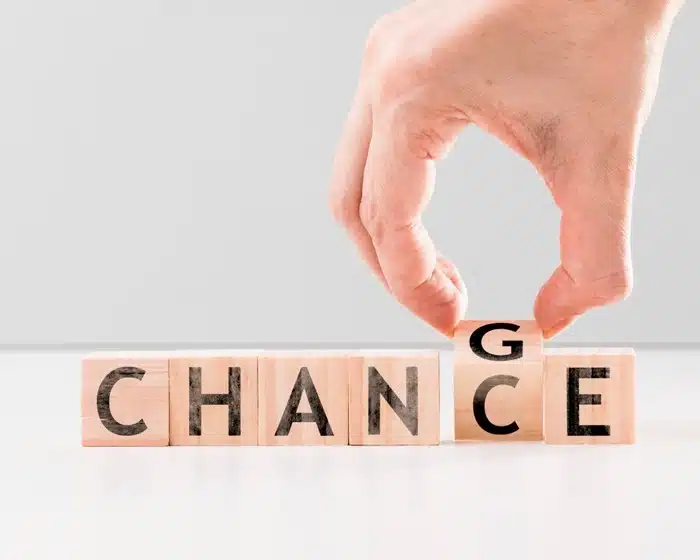
Life rarely waits until you feel prepared. A new job, a move, a breakup, a health issue, a growing family, a loss, or a shift in responsibilities can change your routines before your emotions have caught up.
Knowing how to adjust life after a major change starts with accepting that your old systems may no longer fit the life you're living now. This guide walks through small, practical ways to find steadier ground — from rebuilding routines to asking for support — without expecting yourself to have it all figured out right away.
Adjusting well does not mean pretending the change is easy. It means giving yourself enough patience and structure to keep moving while your life is rearranging itself.
If the change has also created money pressure, it may help to explore practical options such as budgeting support, creditor communication, or credit card debt relief while you work on the emotional side of the transition.
8 Ways to Adjust Your Life During a Big Transition
Source: Magnific.
Start By Accepting That Your Old System May Not Fit
A lot of stress comes from trying to live a new life with old routines.
The schedule that worked before a new baby may not work now. The budget that worked before a job change may need adjusting. The habits that worked when you had more free time may not fit a season filled with caregiving, school, medical appointments, or a different commute.
This does not mean your old system was bad. It means your life has changed, so the system needs to change too.
Instead of asking, “Why can’t I keep up like I used to?” ask, “What is different now?” That question is kinder and more useful. It turns self criticism into problem solving.
Source: Unsplash.
Keep A Few Routines For Stability
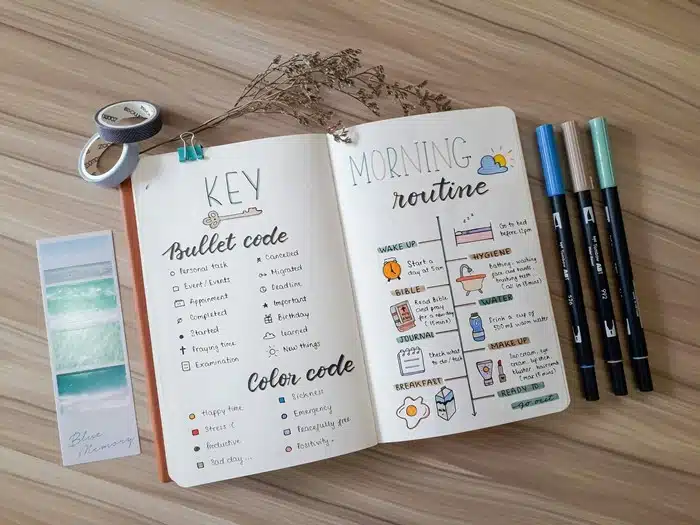
When everything feels in motion, routines act like handrails. You may not be able to control every part of the transition, but you can create a few predictable moments.
Keep routines simple. Wake up around the same time when possible. Plan meals for a few days at a time. Review your calendar each evening. Set one weekly money check in. Take a walk after dinner. Keep a bedtime routine that helps your body settle.
These habits do not need to be impressive. They just need to be repeatable. Stability often comes from small things done consistently, not from a perfect life plan.
Source: Unsplash.
Focus On What You Can Control Today
Big life changes can make the future feel too large. You may start thinking months or years ahead and feel overwhelmed by all the unknowns. That is when it helps to shrink the focus.
Ask yourself, “What can I control today?” Maybe you can make one phone call, wash the dishes, update your budget, send one email, schedule an appointment, or get outside for 10 minutes. Small actions matter because they remind you that you still have influence.
The CDC’s guidance on managing stress notes that stress can affect concentration, sleep, emotions, and physical health, and that small daily coping steps can help. When life changes, those small steps are not extra. They are part of staying steady.
Break The Change Into Smaller Pieces
Source: Unsplash.
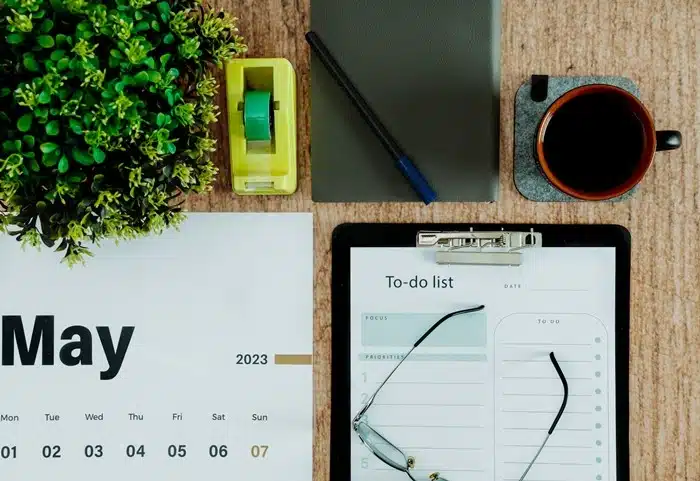
A major transition can feel impossible when you look at it all at once. So do not look at it all at once.
If you are moving, today’s task may be packing one drawer. If you are changing careers, today’s task may be updating one section of your resume. If you are recovering financially, today’s task may be listing bills and due dates. If you are dealing with grief or stress, today’s task may simply be eating a real meal and going to bed on time.
Breaking things down does not make the change smaller, but it makes your next step clearer. You do not need to carry the whole transition in one day.
Use Self Compassion As A Tool
Source: Unsplash.
Self compassion is not making excuses. It is refusing to make the situation harder by attacking yourself while you are already under pressure.
You may be slower than usual. You may forget things. You may feel emotional at odd times. You may need more rest, more help, or more time to make decisions. That does not mean you are weak. It means you are adapting.
Try speaking to yourself the way you would speak to a friend. “This is a hard season, and I am learning how to handle it.” That sentence is more useful than, “I should have this figured out by now.”
Take Care Of Your Body So Your Mind Can Adjust
Source: Unsplash.
Transitions are not only mental. They are physical too. Stress can show up as poor sleep, headaches, tight muscles, stomach problems, irritability, or low energy.
If your body is running on fumes, every decision feels harder.
Basic self care matters here. Sleep when you can. Eat regular meals. Drink water. Move your body. Step away from your phone. Spend time with people who calm you instead of people who drain you.
The National Institute of Mental Health explains that caring for your mental health can include regular exercise, sleep, relaxation, setting priorities, and staying connected with supportive people. Those basics may sound simple, but they become powerful during change.
Ask For Support Before You Feel Desperate
Source: Unsplash.
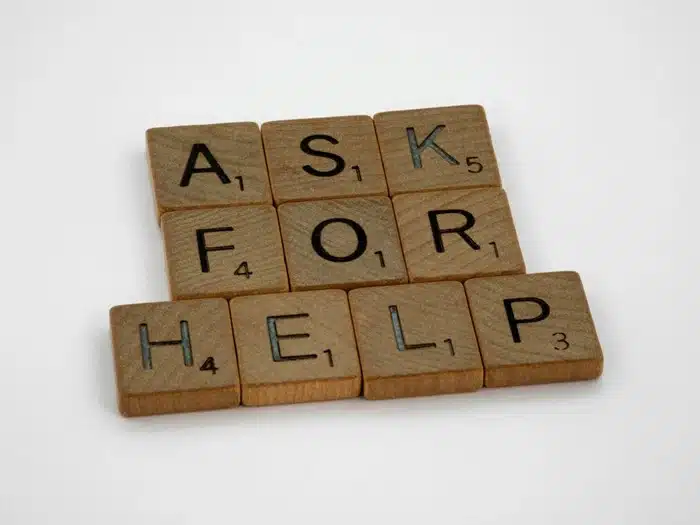
Many people wait too long to ask for help because they think they should be able to handle everything alone. But support is not only for emergencies. It is also for transitions.
Talk to a trusted friend, family member, counselor, mentor, doctor, financial professional, or support group. Be specific about what you need.
Do you need advice, help with a task, someone to listen, childcare, accountability, or professional guidance?
People cannot always guess what would help. A clear request makes support easier to give.
Let The Transition Teach You Something
Not every life change is welcome. Some changes are painful, unfair, or exhausting. Still, transitions can reveal what matters, what no longer fits, and what kind of life you want to build next.
Maybe you learn that your schedule needs more breathing room. Maybe you realize your budget needs a stronger emergency fund. Maybe you discover that certain relationships are more supportive than others. Maybe you find strengths you did not know you had.
Growth does not mean the change was easy. It means you found something useful inside it.
Conclusion
Source: Pexels.
You do not have to handle change beautifully to handle it well. Some days will be organized. Some days will be messy. Some days you will make progress, and some days you will simply get through.
That still counts.
Adjusting as your life changes means giving yourself structure without rigidity, patience without passivity, and support without shame. Keep a few routines. Focus on what you can control. Break big changes into smaller steps. Take care of your body and mind. Ask for help when you need it.
Your life may not look the way it used to, but that does not mean you are lost. It means you are learning the shape of a new season, one practical step at a time.
Disclaimer:
This post may contain affiliate links. I receive a small commission at no cost to you when you make a purchase using my link.